Elevate Your Living Room with Tall Shelves
Intro
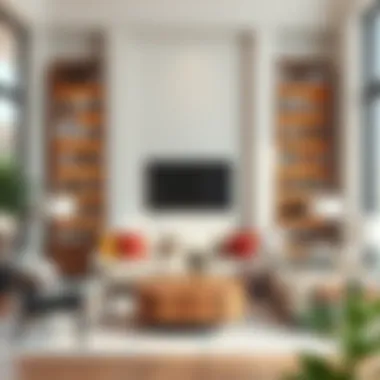
When it comes to living room design, every inch of space matters, especially in times when homes often serve multiple purposes. One clever way to make the best of your area is by integrating tall shelves. These structures not only maximize vertical space but also add flair and character to your surroundings. Functional yet stylish, tall shelves allow for creativity in display and organization. Who wouldn’t want to transform their living room into a place that’s both inviting and organized?
In this article, we’ll thoroughly explore the ins and outs of incorporating tall shelves into living rooms. Since aesthetics and utility go hand in hand, we'll delve into the materials, styles, and placements that suit various designs. Get ready to unlock the full potential of your living space with some savvy shelf insights!
Furniture Selection
Choosing the Right Material
Selecting materials for your tall shelves is akin to choosing the right ingredients for a gourmet dish. The options range from sleek metals to warm woods to modern composites. Each material brings its unique flavor to your living room’s design. For instance, solid oak can add a rustic charm, while steel and glass may impart a more contemporary vibe.
Here are a few materials to consider:
- Wood: From classic cherry to minimalist birch, wood options can cater to an array of styles.
- Metal: If you desire durability without sacrificing looks, going with metal can be a great choice.
- Glass: Perfect for that airy feel, glass shelves showcase your items without overwhelming the space.
- MDF: Medium-density fiberboard is budget-friendly and can be painted or laminated to fit different decors.
Understanding Size and Space Requirements
Before jumping headfirst into your tall shelving adventure, take a moment to measure the available space. Ensuring that your shelves fit harmoniously into the room is crucial. A shelving unit should complement the other furniture rather than dominate the scene. Consider these simple yet effective steps:
- Height: Aim for shelves that reach just below the ceiling or sufficient enough to create a balanced visual line.
- Width: Ensure the width doesn’t impede foot traffic or block important sight lines.
- Depth: Shallow shelves work great for displaying items without protruding too far.
An ill-placed shelf can leave your living room feeling cramped or cluttered, while the right one can effortlessly tie the design together. Keep it practical, so it caters to your lifestyle as much as to your style.
Design Inspiration
Trending Styles and Themes
Let’s face it, the world of design is vast and varying. When it comes to tall shelves, you can indulge in various styles to suit your taste:
- Scandinavian: Features minimalism with clean lines, often in light woods.
- Industrial: Often made of rustic materials, this style integrates raw elements with a modern touch.
- Mid-Century Modern: Bold colors accentuate simple lines and forms.
- Bohemian: With eclectic patterns and textures, this design allows you to sport your personality through your shelving.
Color Schemes and Aesthetic Integration
Color psychology plays a significant role in setting the mood of the room too. You might want to experiment with bold hues if you’re feeling daring or stick to neutral tones for a serene ambiance. Tall shelves can serve as both functional and artful pieces, so don’t hesitate to paint or finish them in shades that resonate with your decor.
- Warm Tones: Create a cozy atmosphere and invite warmth.
- Cool Tones: These help in enhancing relaxation, typical for modern designs.
- Contrasting Hues: Don’t shy away from mixing and matching to make a statement, adding visual interest!
Remember, the key is to achieve a balance—a shelf that fits your aesthetic without swamping the rest of the space.
By keeping these factors in mind, you can elevate both style and practicality in your living room through tall shelves. Let’s look forward to turning those blank walls into showcases of personality and preference!
Understanding Tall Shelves
Tall shelves are more than just storage solutions; they represent a distinct opportunity to merge functionality and aesthetics in a living room setting. Their vertical contours draw the eye upward, which can create a more spacious feel in a room that might otherwise appear cramped. By cleverly maneuvering tall shelves into various design schemes, you enhance the character of your space while also fulfilling storage needs.
Tall shelves are particularly crucial because they maximize unused vertical space and provide a platform for creative display. These shelves allow homeowners to showcase personal collections, such as books, art, or trinkets from travel, effectively reflecting individuality and style. When integrated thoughtfully, they become focal points rather than mere utility fixtures, transforming ordinary corners into striking visual statements.
Studies show that a well-placed and well-organized tall shelf contributes significantly to room dynamics, positively affecting how a space flows. Consideration must be given to the surrounding elements, as this balance supports the overall aesthetic and function. Choosing the right shelf design, material, and placement allows for practical use while complementing existing decor. This understanding lays the foundation for exploring specific details further, such as definitions and purposes, alongside philosophies that guide effective design choices.
Definition and Purpose
Tall shelves, as the name suggests, are higher than most conventional shelving units, often reaching from floor to ceiling or close to it. Their primary purpose is twofold: to provide ample storage space and to facilitate the display of personal items. They can serve as a library, gallery, or even a space for plants, depending on how one chooses to curate their offerings.
In terms of purpose, tall shelves cater to a varying range of needs – from simple storage solutions in a cozy residential setting to more sophisticated displays in professional environments. They are particularly effective in maximizing limited floor space, allowing users to utilize vertical areas that might otherwise be neglected. This makes them ideal for urban locales where space is at a premium.
Design Philosophy
Minimalist Approach
A minimalist approach to tall shelves emphasizes simplicity and functionality. Here, the focus is on clean lines, muted colors, and an overall lack of clutter. Designers often favor streamlined shapes and materials that promote open space, which can help enhance a room's airy ambiance.
This design philosophy is beneficial in today’s fast-paced world, where many seek refuge in serene living environments. By minimizing visual noise, the shelves can act as a backdrop rather than a focal point.
However, the downside to minimalism is the risk of appearing cold or uninviting if not executed carefully. It’s essential to strike a balance, ensuring that while the aesthetic is sleek, personal touches are woven into the design. Small decorative pieces, even in a minimalist setting, can inject warmth and character.
Eclectic Styles
Eclectic styles embrace a more varied and vibrant approach, drawing from different eras, cultures, and aesthetic ideals. This method allows for creativity and personalization that can enliven a living room setting. By utilizing different materials, patterns, and colors, eclectic designs tell a story that is uniquely the homeowner’s.
The primary characteristic of eclectic style lies in its diversity and the idea that disparate elements can coexist harmoniously. It is a popular choice among those who seek to display their unique tastes and experiences. The unique feature of this style is that it invites contrast – mixing materials such as wood, glass, and metal can create an eye-catching display that might otherwise seem out of place in a more uniform design.
That said, the challenge with eclectic styles is maintaining a sense of cohesion. Without careful planning, the overall design can fall into chaos, leading to overwhelming visuals. Designers need to establish a unifying thread across components—whether through color, shape, or theme—to ensure that each piece complements rather than competes with others.
Tall shelves, when designed thoughtfully, become platforms for self-expression and utility.
Materials Used in Tall Shelves
Choosing the right materials for tall shelves is pivotal when making design decisions. After all, materials can make or break the aesthetic appeal and functional integrity of shelving units in a living room. The selection of materials not only contributes to the overall look but also impacts functionality, durability, and maintenance.


Wood
Wood is often the go-to material for tall shelves due to its natural beauty and versatile characteristics.
Types of Wood
When selecting wood, you have options ranging from hardwoods like oak and maple to softwoods like pine. Hardwoods are known for their strength and longevity, making them a superb choice for shelves that will hold heavy items, while softwoods can be a more affordable and lighter alternative. The grain patterns and colors of various wood types add a unique touch to the shelves, ensuring they can fit in well with a variety of design schemes. An oak shelf, for example, imbues a sense of classic elegance. However, a pine shelf might come across as more casual and rustic.
The benefit of wood is its ability to blend seamlessly with other decor elements. On the downside, wood can be vulnerable to warping and moisture damage, especially in humid environments.
Finishes and Treatments
Finishing your wooden shelves is crucial to their longevity. Stains and varnishes not only enhance the wood's natural beauty but also protect it. A glossy finish can bring out the depth of the wood grain, whereas a matte finish can lend a more understated elegance. Additionally, finishes make cleaning much easier, keeping dust and grime at bay.
A noteworthy treatment is polyurethane, which provides a strong protective layer against scratches and dents, perfect for frequently used living spaces. Nevertheless, beware that certain finishes might yellow over time or emit VOCs, which can be detrimental to indoor air quality.
Metal
Metal shelves are increasingly becoming popular in modern living room designs, appreciated for their strength and durability.
Strength and Durability
The metallic properties are inherently robust, making them ideal for supporting heavy books or decorative items without bowing or collapsing. Materials such as steel or aluminum not only provide a industrial chic touch but ensure that the shelves will stand the test of time. This durability translates to a lower lifetime cost, as metal shelves often require fewer replacements compared to their wooden counterparts. However, they may require some level of maintenance to prevent rust, especially in moist conditions.
Design Compatibility
Metallic shelves can fit into various interior styles, from sleek minimalism to vintage industrial. Their sleek lines and minimal bulk make them excellent options to complement modern and contemporary decor. Yet, they can also adapt to more traditional or eclectic interiors when mixed with the right materials and colors. Metals do come with disadvantages, such as potential scratches and dents, but these can often be mitigated with proper care.
Glass
Inspired by a recent shift toward transparency and openness, glass shelves bring a contemporary flair to any room.
Weight Considerations
While glass can create an airy feel, it also comes with weight challenges. Thicker glass can bear heavier loads but can be heavy when handling and installing. Fortunately, modern engineering offers strong tempered glass options that reduce breakage risk while maintaining a sleek look. It's essential to consider support brackets carefully to ensure they are capable of handling the glass weight securely.
Visual Impact
The visual appeal of glass cannot be overstated. It allows light to pass through, creating an illusion of space, which can be especially beneficial in smaller rooms. Furthermore, glass can showcase decorative items beautifully without taking away from them. However, they may require more frequent cleaning, as fingerprints and dust tend to be more visible compared to wood or metal.
Incorporating tall shelves made from these materials not only provides functional benefits but also enhances the aesthetic charm of your living room. Each material offers unique properties that contribute to the overall design and usability of the space. Therefore, carefully evaluating the characteristics of wood, metal, and glass can lead to smart choices that elevate interior appeal and practicality.
Placement Strategies for Tall Shelves
When it comes to integrating tall shelves into a living room design, understanding placement strategies can make or break the overall ambiance and functionality of the space. A well-placed tall shelf can not only elevate the aesthetic but also serve practical purposes, maximizing space and enhancing organization. Below, we delve into two effective approaches to positioning tall shelves: against a wall and as room dividers. Each strategy has unique benefits and considerations that can suit various design goals.
Against a Wall
Placing tall shelves against a wall is perhaps the most traditional approach, yet it remains a compelling choice. It grounds the room, providing stability while enabling vertical storage.
Creating Balance
Creating balance is essential when positioning tall shelves against a wall. This aspect involves harmonizing the shelf's height and contents with other elements in the room. A well-balanced setup prevents a cluttered look and instead cultivates an inviting atmosphere. This choice is beneficial because it keeps essential items readily accessible while maintaining a tidy appearance.
One unique feature of creating balance is the strategic utilization of light and color. For instance, lighter shelves can contrast beautifully with dark walls, creating visual interest. However, the disadvantage lies in inaccurately estimating proportions; shelves that are too tall can overwhelm a small room, making it appear cramped.
Impact on Room Flow
The impact on room flow speaks to how a shelf arrangement can facilitate traffic patterns and interaction within a space. An optimally placed tall shelf doesn’t just add storage; it enhances how people move throughout the room. Tall shelves can guide the eye upward, making the area feel more spacious and airy.
This characteristic is a favorable choice for those looking to maintain an open feel in a living area. However, one must be cautious; improperly positioned shelves can disrupt natural pathways, leading to a feeling of disjointedness. This aspect further underlines the importance of thoughtfully considering the layout.
Room Dividers
Using tall shelves as room dividers is an innovative approach, especially in open-concept living spaces. This method allows for defined areas while still maintaining the overall openness.
Maximizing Space
Maximizing space is a significant aspect of using shelves as dividers. It allows for effective segmentation of the room, distinguishing one functional area from another without constructing walls. This can be especially advantageous in smaller homes where every square foot counts.
The unique feature here is the multifaceted nature of tall shelves—they can serve dual purposes of storage and visual separation. This approach can be beneficial as it fosters an organized environment, preventing clutter and promoting a smoother visual flow. However, this method might not work well in very narrow spaces, where it could block light and make the area feel cramped.
Defining Areas
Defining areas with tall shelves can truly enhance the thoughtful use of living space. This method provides not only a visual cue but also functional separation of different spaces—like reading nooks versus entertainment zones. It’s a beneficial choice for those who appreciate clear spatial boundaries without sacrificing an open design.
A unique advantage of defining areas this way is that it allows for flexibility in your layout; you can adjust the contents of the shelves based on mood or need. Still, there can be drawbacks: if not done thoughtfully, it can create visual clutter, stifling the liveliness of the living area.
Incorporating tall shelves strategically can serve more than just storage; it shapes the entire environment, impacting flow and functionality.
By analyzing these strategies, homeowners and designers alike can make informed decisions that align with their aesthetic goals and practical needs. The key is to balance creativity with functionality, ensuring that tall shelves serve both form and purpose.
Organizing the Tall Shelf Space
Organizing the tall shelf space is not just a matter of tossing items onto the shelves and calling it a day. It’s a thoughtful process that combines functionality and style. When done right, a well-organized shelf can elevate the aesthetics of your living room while meeting practical needs. The way you organize your shelf can affect the overall flair of your space. A chaotic display can distract, while a well-curated zone can pull a room together, making it feel more intentional and inviting.
This section delves into how to effectively organize a tall shelf in your living room, focusing on zoning for functionality and applying various styling techniques. Achieving a balance between display and storage is crucial, as is ensuring the accessibility of items. These elements will help transform your shelves into striking features that serve a purpose, ultimately enhancing the entire living area instead of overwhelming it.
Zoning for Functionality
Display vs. Storage
When considering how to utilize your tall shelving, understanding the distinction between display and storage is vital. Display is all about showcasing your prized possessions – think decorative sculptures, family photos, or artwork. Conversely, storage is where you stow away the practical items like books, bins, or even toys that might otherwise clutter your space.
A major characteristic of the display aspect is its ability to foster a personal connection. Collectibles and art can spark conversations with guests and provide a glimpse into your interests. What's more, when items are displayed beautifully, it adds character and a sense of style to your living room.
On the flip side, emphasizing storage is equally crucial. It can help maintain a peaceful environment by hiding away unnecessary clutter. However, it can lead to the shelves appearing stark or boring if not balanced with decorative items. Finding that unique blend of aesthetic appeal and practicality is essential for creating an inviting but functional space.
Accessibility of Items
Considering access is another piece of the puzzle in tall shelf organization. The accessibility of your items can greatly influence your daily routine. If you have a mix of display and storage items, think about what you use most frequently. Place those items at eye level or within easy reach. This approach keeps everyday essentials handy while retaining visual interest.
Highlighting a key characteristic of accessibility is ensuring that your most-used items are not only organized but also artfully displayed. This facilitates convenience without sacrificing style. Yet, it’simportant to be cautious here. You might find yourself juggling space limitations, particularly in tall shelving configurations, leading to some items becoming less accessible if they’re wedged between larger pieces.
Prioritizing accessibility thus allows you to create a balance between practicality and aesthetics, making your living space feel well-planned.
Styling Techniques
Layering Items
Layering items on your shelves can create depth and artful intrigue. Rather than displaying all items in a flat configuration, think about varying heights and levels. Use books as risers to elevate smaller decor pieces, or hang a framed picture in front of a larger item to give that piece added prominence.
The key feature of layering is that it breaks up the monotony of flat surfaces, bringing dimension to your display. Layering also creates visual interest, guiding the eye through your collection. This technique is beneficial because it allows you to curate more personality into your shelf space without overwhelming it.
Nevertheless, be cautious not to overcrowd your shelves. Too many layers can result in a confusing mess. Aim for a fine balance between showing off your items and keeping things clear to understand.
Color Coordination
Another effective styling technique is color coordination. Using a cohesive color palette throughout your tall shelves can unify diverse items into a single striking display. A well-coordinated look can transform a chaotic collection into a breathtaking display.
Color coordination shines a light on the overall mood of your living room. Soft pastels can evoke calmness, while vibrant colors might fuel energy. This technique is a favorite because it allows for creativity in how items relate visually without compromising functionality. However, ensure that your chosen colors still align with the overall theme of the room, as mismatched colors can make a space feel disjointed.
In summary, organizing tall shelf space requires a strategic approach to zoning for functionality and applying the right styling techniques. By thoughtfully balancing display versus storage needs, ensuring accessibility, layering your items, and coordinating colors, you can enhance not only the functionality of your shelves but also the overall harmony and design of your living room.
Remember, the goal is to create a space that feels lived in yet curated, showcasing your personality and taste.
Lighting Considerations
Lighting plays a pivotal role in the overall ambiance and functionality of tall shelves in a living room setting. It does not merely illuminate; it enhances aesthetics, creates mood, and emphasizes the treasures displayed on your shelves. The thoughtful selection and placement of lights can dramatically shift perceptions, making a room feel more inviting or spacious.
Ambient Lighting
Creating Warmth
Creating warmth through ambient lighting is fundamental when incorporating tall shelves into your living room design. This approach not only offers a sense of comfort but also softens the sharp edges and lines of a tall shelf setup. Warm lighting, typically characterized by its yellow or soft white hues, invites relaxation and connection within a space.
One of the key characteristics of this lighting is its ability to set a cozy atmosphere, making it an ideal choice for areas of gathering. When implementing warm lighting around your tall shelves, the unique feature is how it can highlight wooden textures or vibrant colors of displayed items. The glow can make pieces stand out more, enriching the visual experience. However, one should be cautious; too much warmth can sometimes make a space feel overly casual or dim, which might not align with the desired decor objectives.
Highlighting Textures
Highlighting textures is another significant aspect of effective ambient lighting in the context of tall shelves. This type of lighting reveals the intricate details of materials displayed on your shelves, from the grain of natural wood to the sheen of ceramic. A well-placed soft glow can transform an everyday object into a focal point, inviting viewers to appreciate craftsmanship and depth.
The main characteristic of highlighting textures is its capability to enhance three-dimensional qualities in the displayed items. When executed correctly, this technique draws attention to the variety and intricacy of the materials, making them more engaging. However, it’s essential to vary the fixtures and intensity; too harsh a light can wash out details and create flatness in visuals, negating the very effects you seek to achieve.
Spotlighting Key Features
Selecting Appropriate Fixtures
Selecting appropriate fixtures is crucial in directing focus onto the key features of your tall shelves. Fixtures—be it recessed lights, wall sconces, or picture lights—should not only match the style of the shelves but also serve a functional purpose. A beneficial choice here revolves around selecting adjustable lights that can be aimed precisely where needed, accentuating specific designs or colors in stored items.
One unique feature of this approach is the versatility it brings. Adjustable fixtures can be repositioned to highlight changing decor or seasonal displays with ease. However, if not chosen wisely, fixtures can also become distracting or overwhelming, taking away from the natural beauty of the shelves and their contents.
Placement for Impact
Placement for impact further decides how well your shelved items will be viewed and appreciated. Strategic placement of lights can create visual hierarchy; for instance, focusing more light on certain pieces can lead the eye across the whole arrangement, enhancing the narrative of your living room aesthetics.
The key characteristic here involves visual drama—an effect that can be powerful when showcasing art or cherished curios. The impact of good placement shines in spaces that need to appear larger or more inviting. Still, it’s indispensable to avoid over-illumination, which may overwhelm viewers and detract from the serene vibe a well-designed room aims to establish.
Thoughtful lighting can transform your tall shelves from mere storage into a gallery of your life’s stories.
Lighting, when skillfully integrated with tall shelves, can emotionally connect with inhabitants, transforming a regular living room into a harmonious haven. Taking the time to consider lighting not only amplifies the beauty of the displayed items but also enhances the entire living experience.
Sustainability in Tall Shelf Choices

Eco-Friendly Materials
Sustainably Sourced Wood
Sustainably sourced wood has gained popularity among homeowners and designers alike primarily due to its environmental benefits and aesthetic appeal. A pivotal aspect of sustainably sourced wood is that it comes from forests managed in a way that maintains biodiversity, productivity, and ecological processes. This means that for every tree harvested, another is planted, ensuring the longevity of forests.
One key characteristic of sustainably sourced wood is its sturdiness and versatility. Woods like bamboo, maple, or oak are not only strong but can also be crafted into various styles, complementing different interior aesthetics from rustic to modern.
However, the unique feature of sustainably sourced wood lies in its natural beauty. The grains and textures often add warmth and character to a living room, enhancing the overall design. One notable advantage is that many of these wood options age beautifully, ensuring that your tall shelves will retain their appeal over time, while also reducing the need for replacements that could contribute to waste.
Recycled Materials
Using recycled materials is another robust approach to ensure sustainability in tall shelf design. Recycled materials can come from various sources, including reclaimed wood, which adds an element of history and uniqueness to your shelves. A distinct advantage of using recycled materials is that they often carry a reduced carbon footprint compared to new materials, since the energy and resources required for new production are avoided.
The key here is durability. Many recycled materials, especially metals and glass, retain their strength while offering a distinctive look. For example, a shelf made from recycled metal can infuse an industrial vibe into your living space. The downside? Sourcing high-quality recycled materials can be a bit challenging, as not every recycled product will meet aesthetic or functional standards.
Long-Term Usage
Repairability
Repairability is a fundamental aspect that underscores sustainability in tall shelves. When shelves are designed to be easily repairable, they not only save resources but also extend the lifespan of the furniture, thus mitigating the need for replacement. For example, shelves that utilize screws rather than being glued together allow for simple disassembly, which is handy for repairs or refurbishing.
A key characteristic of repairable designs is their straightforward construction. This makes it easier for DIY enthusiasts or anyone with basic skills to fix minor issues themselves rather than resorting to a professional or, worse, tossing the shelves.
However, the unique aspect of repairability is that it encourages a shift in mindset: rather than discarding a broken item, you focus on maintaining it. This extends the shelf’s life, which aligns with sustainable practices. Moreover, by choosing repairable designs, you not only save your wallet but also promote a more responsible consumption cycle.
Timeless Design
Timeless design is vital in ensuring that tall shelves remain relevant and cherished over the years. Timeless pieces often blend traditional craftsmanship with modern functionality, creating products that withstand the ever-changing tides of fashion and trends. The key characteristic here is versatility, allowing these shelves to fit seamlessly in various room styles.
One unique feature of a timeless design is its ability to adapt; a well-designed shelf can work in multiple settings, whether a mid-century modern living room or a cozy farmhouse. The advantage of this approach is significant: by investing in pieces that won’t go out of style, you reduce the necessity for replacements, saving both money and resources.
In the long run, timeless designs not only look awesome but embody the concept of sustainability by encouraging long-term use and careful curation of home decor, inviting a connection between the homeowners and their furnishings.
"Sustainability in furniture design isn't just about where it comes from, but also about how long it lasts."
In summary, embracing sustainability in tall shelf choices fosters an eco-conscious living space while contributing to timeless beauty and functionality. Homeowners, interior designers, and DIY enthusiasts alike can benefit from focusing on eco-friendly materials and repairable designs that emphasize quality over quantity.
Common Mistakes in Shelf Selection
When considering the integration of tall shelves into a living room, understanding common pitfalls is essential. These mistakes can detract from both the function and aesthetic of the space, ultimately leading to frustration and wasted resources. It's not just about where to put shelves or what color they should be; it’s about ensuring they serve their purpose well without compromising the overall design of the room.
Ignoring Scale
Distorted Proportions
One of the most frequent blunders is overlooking scale, specifically how a tall shelf might throw off the proportions of a room. Choosing a shelf that's too tall or too short can create a sense of imbalance. The key characteristic of distorted proportions is the visual instability created when the elements in a space don't relate well in size.
Imagine a modest-sized living room featuring a towering shelf that dwarfs the furniture around it, making everything else seem insignificant. Not exactly the visual harmony one aims for! By keeping proportions in check, homeowners can create a balanced atmosphere that feels cohesive. A well-scaled tall shelf can act like an anchor, grounding other design elements and enhancing the room’s flow.
Overcrowding
Another common issue is overcrowding shelves with too many items. While the intention may be to showcase cherished belongings, a haphazard arrangement often results in chaos rather than charm. The essence of overcrowding is the overwhelming sensation created when viewers are met with cluttered surfaces rather than thoughtfully displayed pieces.
People often think more is better, but when it comes to design, sometimes less truly is more. A few select pieces artfully arranged can create a focal point that draws the eye. Overcrowding can demote the beauty of items, turning your once-stunning shelves into a jumble that overwhelms instead of inspires.
Poor Material Choices
Durability Issues
Material choice matters greatly when incorporating tall shelves. Selecting inferior materials leads to durability issues that can undermine the entire design effort. One of the crucial characteristics here is the long-term investment in both functionality and aesthetics.
For instance, less sturdy wood or cheap laminates may look appealing at first, but they are likely to warp or sag over time. This can diminish the entire shelf’s value and your confidence in the design. By opting for high-quality materials like solid wood or metal, the shelves gain a lifespan that justifies the purchase, contributing positively to the overall living space.
Maintenance Challenges
Associated very closely with material choices are maintenance challenges. Some materials may demand much more upkeep than others, leading to frustration down the line. The primary feature of maintenance challenges is the ongoing commitment required to keep materials in good shape.
Consider a glass shelf—while beautiful, it can be a dust magnet and might require more frequent cleaning to maintain its clarity and elegance. Alternatively, a high-quality wood shelf might be more forgiving and easier to maintain, provided regular care is observed. Balancing aesthetics with practicality in maintenance is crucial, ensuring that the beautiful tall shelves remain inviting rather than burdensome.
Choosing the right scale and materials can greatly enhance the joy of styling your tall shelves, lending to both beauty and longevity.
Getting shelves right doesn't just mean adhering to what looks good; it’s about understanding the core concepts of proportion and material durability that ultimately support the vision for your living space.
Finale
When it comes to creating a functional yet inviting space, integrating tall shelves in your living room can be a game changer. The significance of this topic lies in how these furnishings not only add aesthetic appeal but also serve critical organizational functions. Understanding how to maximize their potential can transform an ordinary living room into a vibrant area where style meets practicality.
Choosing tall shelves is about finding the right balance—taller structures can create an illusion of spaciousness while also showcasing your personality through decor. They can draw the eye upward, which is key in smaller spaces where floor area may be limited. Moreover, with the right placement and organization, these shelves can contribute to a sense of harmony in the room.
Benefits of Incorporating Tall Shelves:
- Enhanced Visual Appeal: Well-placed shelves elevate the overall design. Utilizing color coordination and thematic decor can enliven the space.
- Functionality: By zoning areas for display and storage, tall shelves ensure that everything has its place, simplifying everyday life.
- Flexibility: The diverse styles available allow homeowners to choose solutions that fit their specific needs, whether it be for showcasing books or housing decorative accents.
In the pursuit of a well-designed living room, tall shelves act as both structure and statement. They beckon to be explored and engaged with, lifting the spirits of all who enter.
Ultimately, when selecting and incorporating tall shelves into your living space, consider your lifestyle, personal taste, and the flow of the room. Effective use of these elements can dramatically enhance both the style and functionality of your living room, allowing it to emerge as a true reflection of your individuality.