Explore the Benefits of Soup Bowls with Compartments
Intro
In the ever-evolving landscape of culinary implements, soup bowls with side compartments stand out as a fascinating innovation. These bowls are not just vessels for hot liquids but thoughtfully designed tools that enhance the dining experience. By dissecting their unique features and myriad benefits, we garner insights into how such items can elevate meal presentations and streamline serving.
Imagine sitting down for dinner; the soup, steaming and rich, offers a comforting embrace while a small compartment houses a tangy sauce or crunchy croutons, ready to complement the flavors. This simple change in design offers practicality with an elegance that speaks volumes about modern dining preferences.
Before we delve deeper, it’s essential to consider two main aspects that interlink effectively with the choice of soup bowls: furniture selection and design inspiration. Understanding these facets will allow homeowners, interior designers, and even DIY enthusiasts to make informed choices when enhancing their dining spaces.
Prolusion to Soup Bowls with Side Compartments
In recent years, soup bowls with side compartments have stormed into the dining scene, transforming not just how we serve our soups but also enhancing the overall culinary experience. These bowls have crafted a niche for themselves by catering to convenience and style. Home cooks and professional chefs alike are increasingly embracing these clever designs, realizing their importance in meal presentation and functionality.
Whether you are hosting a dinner party or enjoying a cozy meal at home, these bowls serve a distinct purpose. Imagine enjoying a steaming bowl of tomato bisque, while simultaneously relishing a sprinkle of croutons or an herb drizzle nestled within easy reach. This not only expands your dining options, it elevates the flavors through thoughtful combinations.
Definition and Purpose
While many may think of a simple bowl as just a dish to hold soup, those with side compartments redefine that notion. A soup bowl with a side compartment is typically designed with an additional section or space that allows for the inclusion of toppings or dips, making them a multi-functional tool in the kitchen. They’re meant for variety, keeping flavors separate until the moment of consumption, allowing you to customize each bite. Thus, the purpose is clear: to enhance both the gastronomic experience and ease of serving.
Historical Context
Diving into the history of bowls may just evoke thoughts of ancient pottery, but the journey these vessels have taken is rich with cultural significance. Throughout the ages, bowls have played pivotal roles in various culinary traditions. The rise of soup bowls with side compartments is relatively recent, tracing back to attempts at elevating meal presentation within the framework of modern dining aesthetics.
While many cultures have always understood the importance of serving components together, the formal incorporation of compartments into dinnerware showcases a shift towards multi-functional dining experiences. This transition reflects an increasing appreciation for the art of dining, where every detail matters—from the flavor profiles of food combinations to the visual appeal on the table.
As we explore the various characteristics and benefits of these innovative tools, it's essential to appreciate their underlying significance in both the kitchen and at the dining table.
Design Characteristics
The design characteristics of soup bowls with side compartments play a crucial role in both their functionality and aesthetic appeal. These unique elements not only cater to the practical needs of serving but also offer a way to enhance the overall dining experience. The integration of side compartments allows for a more organized and visually pleasing table setting, driving home the importance of thoughtful design in kitchenware.
Structural Layout
In the heart of these bowls lies an innovative structural layout, creatively partitioning the main bowl from the side compartments. This clever arrangement is essential in preventing the mingling of flavors. For instance, when serving a hearty tomato bisque, the side compartment can hold a spoonful of basil pesto, ensuring that each bite can retain its identity. Additionally, this layout can accommodate toppings, such as croutons or cheese, without compromising the core dish's integrity.
The fluidity of the design ensures that every component works cohesively, allowing for ease of use during meals. When you're dealing with a bowl not cluttered by scattered toppings, it encourages engagement among diners. They can mix and match ingredients as they wish, creatively crafting their own combinations, while the stability of the bowl provides a steady base that reduces spillage.
Material Selection
The choice of material for soup bowls with side compartments carries substantial implications, affecting durability, maintenance, and ultimately, usage. Let’s delve into the specific materials that have made their mark in this niche.
Porcelain
Porcelain, renowned for its delicate finish and strength, stands out as a top-tier choice. Its smooth surface not only elevates the visual presentation of a dish but is also resistant to staining, making it easy to maintain. The key characteristic of porcelain is its ability to retain heat, enhancing the enjoyment of hot soups. This feature becomes particularly advantageous during colder months when a steaming bowl of soup becomes a comforting staple.
However, one drawback to keep in mind is its breakability; while durable, improper handling can lead to chipping or cracking. Thus, care must be taken, especially in a bustling kitchen environment.
Stoneware
Stoneware offers a delightful rustic charm with its substantial weight and earthy tones. The primary benefit of stoneware is its capacity to retain heat for extended periods, making it ideal for meals meant to be savored slowly. Its unique feature lies in its non-porous nature, allowing for the quick transition from oven to table without fear of damaging the dish.
On the flip side, stoneware can be quite heavy, which may deter some individuals who prefer lighter options. Its thicker walls can also mean a longer time to cool, thus requiring caution when serving.
Melamine
Melamine, a favorite in casual dining settings, is highly resistant to breakage, making it an excellent choice for families or outdoor gatherings. One of its key characteristics is its ability to mimic the appearance of ceramic without the high maintenance. Melamine bowls are lightweight and dishwasher-safe, reinforcing their appeal for everyday use.
Yet, it bears mentioning that melamine is not microwave-safe, which limits its functionality for reheating meals. It certainly shines in terms of durability but may lack the elegance that some fancy dinner parties call for.
Glass
The transparency of glass bowls offers undeniable advantages in terms of aesthetics. They allow the colors of the soups and accompanying ingredients to be on full display, enhancing the dining experience. The major benefit of glass is its non-reactive nature, ensuring that food does not absorb any odors or flavors. This is ideal when serving strong-flavored soups alongside delicate side condiments.
However, glass can be prone to breakage, necessitating careful handling. It also tends to be heavier than other materials like melamine, which could make transport a bit more cumbersome.
Size and Shape Variations
The size and shape of soup bowls with side compartments can significantly influence their functionality and overall appeal. Variations in size ensure that they can cater to different appetites—from a light snack to a full meal. Meanwhile, different shapes, whether wide and shallow or deep and narrow, can affect the presentation and enjoyment of the soup.
Some might prefer a wider bowl that allows for more creative plating, inviting diners to appreciate a myriad of textures and colors. Others might opt for a deeper design, promoting an immersive experience with the comfort of a hearty dish. Each variation offers something unique, ensuring that every dining situation is met with a fitting choice.
Functional Benefits
The functional benefits of soup bowls with side compartments cannot be overstated. These bowls are designed not merely to hold soup but to enhance the overall dining experience. In this section, we will delve into key aspects like meal presentation, serving convenience, and multi-use capabilities. Through understanding these elements, we can appreciate how these unique bowls can drastically change the way meals are served and enjoyed.
Enhanced Meal Presentation
Before anyone even takes a sip of that piping hot broth, the way a meal looks on the table matters. Soup bowls with side compartments create a visually appealing arrangement that goes beyond the usual. Think of it—your hearty autumn squash soup nestled in the center while some crispy croutons or freshly chopped herbs sit stylishly off to the side. Not only does this approach highlight the soup itself, but it also invites diners to partake in the overall experience rather than just eat.
The compartments allow for thoughtful placement of garnishes, making a simple meal feel like a gourmet affair. Studies in culinary presentation reveal that appetites can be heightened with visually stimulating arrangements. Therefore, the design of these bowls caters not only to aesthetics but serves an important psychological aspect of dining.
Convenience in Serving
When it comes to mealtime hustle and bustle, convenience is golden. Soup bowls with side compartments simplify serving by offering a dedicated space for supplements like croutons, cheeses, or herbs. Instead of juggling multiple bowls or dishes, hosts can serve an entire meal’s worth of items in one go.
This design means less mess and fewer trips back and forth to the kitchen. The bowls can be passed around the table, and everyone can take what they desire—all without the awkwardness of reaching across other plates. This convenience is especially beneficial for family gatherings or casual get-togethers where informal dining vibes thrive.
Multi-Use Capabilities
The true genius of soup bowls with side compartments lies in their versatility. They are not strictly for soup alone; their design opens a world of multi-use possibilities. Let’s explore this idea further.
Soups and Sauces
When considering soups and sauces, these bowls shine like a diamond in the rough. They allow for ideal portioning of both liquid and solids, so diners can enjoy both together without compromising flavor. For instance, imagine a spicy tomato soup paired with a zesty marinara sauce. Dinner guests can easily dip their breads into either or both, enhancing the flavor profile while keeping everything neatly contained. This particular characteristic makes such bowls highly practical and appealing for a variety of culinary traditions that enjoy hearty dipping.
Accompaniments
Accompaniments, such as fresh herbs, cheese shavings, or even meats, find their perfect partner in these bowls. Instead of heaps cluttering one dish, the side compartments neatly organize everything, allowing diners to customize their meals. For example, a bowl can hold a creamy potato soup with a side compartment for crispy bacon bits or caramelized onions, ensuring that textures and flavors are not only preserved but also highlighted. This makes dining more engaging, as individuals can experiment and find their preferred combination while eating.
Condiments
Lastly, let’s not forget condiments. These bowls provide an excellent way to include small servings of garnishes like sour cream, cilantro, or hot sauce right at the table. When soup is served, having these readily available enhances the dining experience by allowing guests to personalize their soup exactly to their taste. This aspect appeals not just to individual preference but also to a variety of cuisines where condiments play a crucial role. Plus, it's a conversation starter!
By utilizing soup bowls with side compartments in different ways, hosts can create a dynamic and interactive dining experience.
In summary, the functional benefits of soup bowls with side compartments extend from elevating meal presentation to enhancing serving convenience and opening diverse culinary possibilities. With these bowls, the dinner table transforms into a canvas of flavor and style, making every meal an occasion to remember.
Culinary Applications
Culinary applications of soup bowls with side compartments go far beyond mere functionality. These innovative bowls are designed not just for serving but also for enhancing the overall dining experience. Their unique design allows for a seamless integration of different food items, making them stand out in various dining settings.
Formal Dining
In formal dining, presentation is key. Soup bowls with side compartments elevate the aesthetic appeal of any table setting. When hosting a dinner party or an upscale meal, the way food is presented can leave a lasting impression. Imagine a beautifully plated lobster bisque served alongside a small compartment filled with fresh herbs or croutons. This arrangement not only keeps the soup at its optimal temperature but also allows guests to customize their dish to their taste. The elegance of such a presentation enhances the formal atmosphere, making each course feel special.
Moreover, these bowls can be utilized to serve elegant garnishes, ensuring that the meal looks as good as it tastes. The thoughtful arrangement of food enhances not just the visual aspect but also sparks conversation, giving guests something to admire and discuss. A well-designed soup bowl can act as a canvas for culinary artistry, showcasing the chef's skill and creativity.
Casual Gatherings
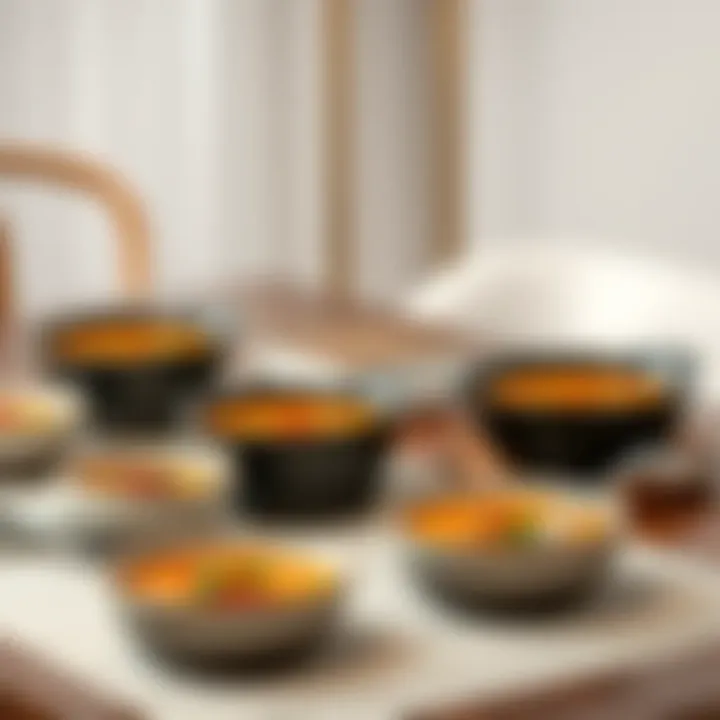
When it comes to casual gatherings, flexibility and ease take center stage. Soup bowls with side compartments provide a convenient solution for quick meals with friends and family. Picture a Sunday gathering where you serve a hearty chicken noodle soup, complemented by a section for fresh lemon wedges or spicy jalapeños. Each patron can adjust their soup to suit their palate with minimal effort, keeping everyone happy and satisfied.
The bowls facilitate a more relaxed atmosphere. Guests can engage in conversation without the fuss of passing around various condiments. Everything they need sits right in front of them. It’s as if the bowl is a mini buffet, catering to different tastes while keeping the meal simple and fun. Casual dining experiences benefit immensely from this kind of versatility, making them both delicious and enjoyable.
Cultural Dish Representation
Culinary traditions often reflect culture and history, and soup bowls with side compartments can play a crucial role in representing these dishes. Certain cuisines, such as Vietnamese pho or Japanese ramen, traditionally involve various accompaniments that can be served separately. By using bowls designed with side compartments, you can present each component in a way that respects cultural practices while enhancing the overall flavor experience.
For example, in a pho dish, the broth, noodles, meat, and garnishes like hoisin sauce and fresh basil can be elegantly arranged in a single bowl. The side compartments give an authentic touch, allowing diners to add components as per their preference. This presentation not only fosters appreciation for the cultural dish but also invites exploration of flavors, encouraging diners to experience the meal in a traditional manner.
"A meal is not just about filling your stomach; it's about experiencing flavors, traditions, and connections."
By understanding these culinary applications, it becomes clear that soup bowls with side compartments are more than just functional items. They enrich dining experiences across a variety of settings, making them a valuable addition to any kitchen.
Aesthetic Considerations
The aesthetic aspects of soup bowls with side compartments can't be overlooked. In today's culinary world, where presentation is as important as taste, these bowls offer an exceptional canvas to express creativity. Homeowners, interior designers, and DIYers are increasingly aware of how the right tableware can influence the overall dining experience. This section dives deep into various facets of aesthetics, emphasizing not just the visual appeal but also how it ties into the atmosphere of a meal.
Color and Pattern Choices
Selecting the right colors and patterns for your soup bowls is more than just a matter of taste; it's about setting the tone for the meal. Bright and vibrant colors can evoke a sense of joy and warmth, while muted tones might lend an air of sophistication and elegance.
- Warm Colors: Reds and oranges can stimulate appetite and enhance the enjoyment of food.
- Cool Colors: Blues and greens can create a calming effect, perfect for more relaxed gatherings.
When it comes to patterns, consider how they can reflect personal style while complementing the dishes served.
- Floral Designs: Often evoke a sense of spring and freshness, making them ideal for more casual, cheerful meals.
- Geometric Patterns: These can convey modernity, suitable for contemporary dining settings.
Ultimately, the choice of colors and patterns should align with the overall decor of the dining space, ensuring that the soup bowls harmoniously fit into the larger aesthetic. A well-chosen pattern can serve as a conversation starter, transforming a simple meal into a delightful experience.
Integration with Tableware
Integrating soup bowls with side compartments into your existing tableware can bring a cohesive look that enhances the dining experience. It’s vital to consider how these bowls interact with the other elements on the table.
- Complementary Styles: Matching the style of the soup bowls with plates, utensils, and glassware can create a unified appearance. A rustic bowl could harmonize beautifully with wooden serving boards and earthenware plates, while sleek, modern bowls pair well with minimalist designs.
- Functional Arrangement: The arrangement on the table should not only look good but also be practical. Having side compartments means there’s extra space for condiments or bread, so ensure that they are positioned conveniently within reach of all diners.
- Layering Textures: Mixing materials like glass, porcelain, and stoneware can add depth to the table setup. For example, pairing a textured stoneware bowl with smooth glassware can create visual interest.
"Aesthetic elements in tableware not only enhance presentation but also elevate the overall dining experience, making every meal a memorable occasion."
Incorporating these aesthetic considerations into your choice of soup bowls with side compartments can significantly impact the enjoyment of meals, creating a delightful atmosphere for both everyday use and special occasions. The visual harmony achieved through careful selection not only pleases the eye but also enriches the act of dining.
Market Trends
The dining market is always evolving, influenced by changing lifestyles, dietary preferences, and a growing emphasis on aesthetics. In the context of soup bowls with side compartments, understanding the current trends provides valuable insights into consumer choices and expectations. Today, many homeowners and design enthusiasts are leaning toward multifunctional and visually appealing kitchenware. This shift emphasizes the need for products that offer both utility and a statement of style.
Current Popularity
Soup bowls with side compartments have gained traction among consumers, particularly in the realm of social dining. With an increasing number of people entertaining at home, the demand for versatile tableware has surged. These bowls not only serve soup but also keep accompanying elements like bread or toppings neatly organized on one plate, which caters to modern dining preferences where presentation holds weight.
- Convenient Serving: The integrated compartments allow for a more seamless dining experience, especially in gatherings where sharing meals is common.
- Aesthetic Appeal: A well-designed bowl can act as a centerpiece on the dining table, leading to a rise in unique and fashionable designs that complement home decor.
- Functionality Meets Trends: Homeowners are increasingly attracted to items that combine practicality with trendy looks, making these soup bowls not just utensils but also style statements.
Innovative Designs
As the market evolves, so too does the design landscape for soup bowls with compartments. Innovative designs are becoming a focal point for manufacturers, as they attempt to meet the changing desires of consumers. The focus is now on creating tools that are not only practical but also strikingly beautiful.
- Creative Aesthetics: Recent trends lean heavily on natural materials, soft colors, and textured finishes that bring warmth to any table setting. For instance, stoneware bowls with rustic charm are stylish options for casual dining settings.
- Ergonomic Shapes: Designers are exploring shapes that enhance comfort while eating. Ergonomic designs that allow for easy holding and serving are becoming popular as people seek ease in their dining experiences.
- Customization Options: More brands are offering customizable features to cater to the personal preferences of consumers. This may include various compartment sizes, colors, or even the option to add initials or logos, making each bowl a unique piece.
"The rise in popularity of soup bowls with side compartments signifies a major shift towards functional and aesthetically pleasing dining solutions. They offer the best of both worlds—style and utility."
Sustainable Options
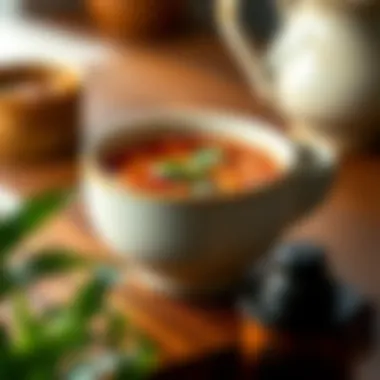
Sustainability has become not just a trend, but a necessity, especially in home decor and kitchenware. When we talk about soup bowls with side compartments, it makes perfect sense to consider eco-friendly options. Not only do they elevate our dining experience, but they also reflect a conscious effort to minimize environmental impact.
Sustainable choices in kitchen utensils can significantly contribute to a healthier planet. This section will clarify what sustainable options are available for soup bowls, the materials commonly used, and the tangible benefits of making such choices. By understanding these factors, homeowners, interior designers, and DIY enthusiasts can make informed decisions that contribute positively to the environment and enhance their dining aesthetics.
Eco-Friendly Materials
When looking for eco-friendly materials for soup bowls, options abound. Choosing the right material is crucial since it can affect both functionality and environmental friendliness.
- Bamboo: Naturally biodegradable and harvested with minimal environmental impact, bamboo is lightweight yet sturdy. Its natural properties make it an excellent choice for those who prioritize sustainability.
- Recycled Glass: Using recycled glass for soup bowls not only reduces waste but also offers a modern, stylish look. Glass is reusable and doesn’t absorb odors or stains, making it practical for regular use.
- Ceramic: When sourced from sustainable practices, ceramic is a durable option. Look for brands that commit to eco-friendly methods, ensuring that the production process has minimal ecological impact.
- Biodegradable Plastics: Developed from renewable sources like corn starch, biodegradable plastics can offer the convenience of traditional plastics while reducing the carbon footprint.
These materials not only make for delightful dining experiences but show a commitment to caring for the planet.
Benefits of Sustainable Choices
Opting for sustainable soup bowls brings more than just a feel-good factor. Here are a few key benefits to consider:
- Reduced Carbon Footprint: Using eco-friendly materials lowers the carbon emissions related to production and disposal. This is vital in combating climate change.
- Health Considerations: Many sustainable materials, like natural ceramics or bamboo, are free from harmful chemicals often found in conventional kitchenware. This makes them safer for food contact and healthier for families.
- Aesthetic Appeal: Eco-friendly options often feature unique designs and colors, enhancing the overall look of your dinner table. Imagine a vibrant, handmade ceramic bowl serving as a focal point in your kitchen.
- Longer Lifespan: Many products made from sustainable materials are built to last. This means fewer replacements over time, resulting in less waste.
"Choosing sustainable kitchenware like soup bowls with side compartments can make a significant difference. Not only is it healthier for the environment, but it also enriches our culinary experiences."
By making thoughtful choices, consumers can contribute to a sustainable future while simultaneously enjoying beautifully designed kitchenware.
Care and Maintenance
Understanding how to properly care for and maintain soup bowls with side compartments is not merely a chore but an integral part of ensuring their longevity and sustained aesthetic appeal. These unique dining pieces are designed for functionality and style, and with the right maintenance, they can continue to enhance meals and table settings for years to come.
The effort you put into caring for your soup bowls pays off, as it can significantly affect their durability and resistance to wear and tear. Neglect can lead to unsightly stains, scratches, and even breakage which, ultimately, diminishes both their usability and visual charm. Here are the critical aspects of cleaning and long-term care to keep in mind.
Cleaning Instructions
When it comes to cleaning soup bowls, doing it right ensures they're ready for your next culinary creation. Depending on the material of your bowl, the cleaning method can vary. Here’s a simplified guide:
- Porcelain: Use warm soapy water and a soft sponge for gentle cleaning. Avoid abrasive cleaners that could scratch the surface. Most porcelain bowls are dishwasher safe, but always check the manufacturer’s recommendations.
- Stoneware: Similar to porcelain, stoneware benefits from a gentle wash with warm, soapy water. Tough stains can be treated with a baking soda paste, which is mildly abrasive yet safe for use.
- Melamine: This durable material is usually more forgiving. It's often dishwasher safe, but staining may occur with stronger acids or dyes. A gentle scrub with warm water helps maintain its vibrant colors.
- Glass: Bright and beautiful, glass bowls can show fingerprints or water spots. Use a vinegar-water solution for a streak-free shine. Avoid sudden temperature changes that could lead to cracking.
Always allow your bowls to air dry thoroughly before stacking or storing them, as moisture can lead to mildew or bad odors.
"The care of your dinnerware reflects the respect you have for both the items and the meals you serve."
Long-Term Care Tips
To keep soup bowls looking like new over the years, consider the following long-term care strategies:
- Storage: Avoid stacking bowls without protection; use a soft cloth or paper towels between them to prevent scratching. Ensure they’re stored in a dry area to avoid moisture accumulation.
- Avoiding Extreme Temperatures: Some materials, like glass and stoneware, can break under sudden temperature changes. Ensure that your bowls aren’t exposed to drastic heat or cold.
- Routine Inspection: Take time to look over your bowls regularly. Check for chips or cracks and address them immediately. Repairing small damages while they are minor can prevent larger issues down the line.
- Regular Polishing for Glass Bowls: If you use glass soup bowls frequently, a light polishing occasionally helps maintain clarity. Glass cleaner or a simple vinegar solution can do wonders.
- Educate Yourself: Familiarize yourself with the manufacturer’s care guidelines. Each bowl is unique and may have specific requirements based on its construction materials.
By prioritizing proper care and maintenance, you ensure that your soup bowls with side compartments continue to contribute positively to your dining ambiance while functioning as helpful tools in meal preparation and serving. Their preservation not only upholds their functionality but also nurtures the narrative of elegant dining experiences.
Epilogue
As we wrap up the exploration of soup bowls featuring side compartments, it’s crucial to realize the multifaceted benefits they bring to the table. These unique pieces of crockery not only serve a practical purpose but also enhance the overall dining experience. The ability to separate main dishes from accompaniments allows diners to appreciate flavors without the risk of mixing them too soon. Moreover, the aesthetic appeal of these bowls can elevate even a simple meal into a fine dining experience, making them an inviting choice for gatherings of any scale.
Summary of Key Points
To summarize the critical aspects discussed:
- Design Characteristics: The distinct structural layout and material choices enhance functionality and style.
- Functional Benefits: Enhanced meal presentation and convenience make serving easier in both casual and formal settings.
- Culinary Applications: These bowls prove versatile across various dining contexts, from family dinners to cultural feasts.
- Sustainability and Care: Eco-friendly materials and proper maintenance tips ensure longevity and eco-conscious choices.
Final Thoughts on Adoption
In a world where presentation matters just as much as functionality, soup bowls with side compartments stand out, offering an innovative approach to serving food. They cater to the preferences of homeowners and interior designers alike, who seek to optimize both aesthetics and practicality. By adopting these bowls, individuals can truly transform daily meals into thoughtful culinary experiences. As simple as adding a new piece to your dining set, the impact on how meals are enjoyed can be substantial.
"The right bowl can make a humble soup feel like a feast, bridging tradition and modernity in every bite."
For those looking to enhance their kitchen’s appeal or looking for practical solutions that also add a dash of elegance, investing in these versatile soup bowls is a decision that pays off beautifully. The blend of form and function redefines what it means to dine well.