Light Blue Bedroom Rugs: Aesthetic & Functional Insights


Intro
The world of interior design is often a tapestry woven from colors, textures, and patterns. Often, a room's character hinges upon its foundational elements, notably the rugs that frame the space. Enter the light blue bedroom rug—an understated yet enchanting piece that can alter the feel of a bedroom dramatically. This article sheds light on how these rugs can not only enhance aesthetic appeal but also improve the overall functionality of one's space. By examining aspects such as color psychology, various rug materials, and effective design placement strategies, we aim to provide valuable insights to homeowners, interior designers, and DIY enthusiasts alike.
Furniture Selection
When it comes to selecting furniture that complements a light blue bedroom rug, there’s much to consider. Choosing the right pieces can either elevate or detract from the serene ambiance that a soft blue hue offers. Here are the key considerations:
Choosing the Right Material
- Wood: Opting for wooden furniture, particularly those with a natural or whitewashed finish, often creates a harmonious balance. The grain of the wood can bring warmth to the coolness of light blue, making for a cozy yet chic environment.
- Metal: For a modern touch, metal furniture with clean lines in matte black or brushed nickel can provide a striking contrast without overwhelming the lightness of a blue rug.
- Fabric: Upholstered pieces such as a light gray or beige bed frame work well. Soft fabrics like linen or cotton can complement the rug's tactile quality, ensuring that comfort is never sacrificed for style.
It’s crucial to harmonize the textures as well. A plush, shaggy light blue rug pairs beautifully with smooth, sleek furniture, while a flatweave design might suit more rustic pieces.
Understanding Size and Space Requirements
The rug’s size can dramatically influence the spatial dynamics of a bedroom. When selecting,
- Measure your room dimensions, keeping in mind the placement of major furniture items.
- Continuing with the rug under the bedsides encourages a sense of continuity, making the space feel larger.
- Avoid rugs that are too small, as they can make the room feel disjointed; a good rule is to have the rug extend at least a foot beyond the bed.
In this regard, placement is everything, and the rug's dimensions can create zones within the space, contributing to an organized and cohesive look.
Design Inspiration
Moving beyond mere functionality, the light blue rug is an invitation to explore a myriad of design themes.
Trending Styles and Themes
Light blue aligns well with several trending aesthetics:
- Scandinavian: A clean, minimal approach combined with neutral tones creates a bright, airy environment, ideal for those valuing simplicity and function.
- Nautical: Incorporating whites and navy can invoke a breezy coastal vibe, perfect for bedrooms designed for relaxation.
- Bohemian: Mixing patterns and textures allows for creative freedom, where a light blue rug can serve as a calming backdrop amidst vibrant colors.
By understanding these themes, you can transform the rug from a simple accessory to the centerpiece of your room.
Color Schemes and Aesthetic Integration
Integrating the light blue rug with other colors can elevate the entire design.
- Complementary Colors: Collaborating well with shades like coral or soft yellows can create a cheerful contrast.
- Analogous Colors: Pairing it with other cool tones like teal or mint fosters a serene atmosphere, perfect for promoting relaxation in a bedroom setting.
- Neutral Shades: Using whites, grays, or browns ensures that the rug remains the focal point without overwhelming the viewer's eye.
When you weave these color choices into your overall room palette, a light blue rug not only enhances but also defines the space's aesthetic character.
A thoughtfully chosen rug can serve as an anchor for your room, bringing together colors and textures in a cohesive dance of style.
The Significance of Color in Interior Design
When it comes to interior design, color plays a transformative role that goes beyond mere aesthetics. It can vastly affect the mood of a room, conjuring emotions and influencing perceptions. This significance of color is particularly pronounced with light blue, a hue often associated with tranquility and freshness. Choosing the right color can set a tone for your entire space; hence, it’s paramount to consider its effects deeply.
Understanding Color Psychology
Emotional Responses to Colors
Colors evoke emotions in complex ways, and light blue is no exception. It's known to inspire calmness and clarity, making it an excellent choice for bedrooms where relaxation is the goal. People often find themselves feeling more at ease when surrounded by softer shades of blue. This is particularly valuable in bedrooms, where high-stress days often culminate in the quest for restful sleep.
One key characteristic of emotional responses to colors is their cultural context; for example, in many cultures, blue symbolizes trust and peace. This cultural perception adds depth to its effectiveness as a color choice in design. Yet, while light blue imparts a sense of serenity, overstating the hue could lead to a sterile feel. Thus, moderation is essential.
Color Associations in Design
Color associations significantly impact how we perceive a space, making light blue a remarkable choice for various design schemes. It often evokes tranquil waters or clear skies, aligning effortlessly with themes of freedom and spaciousness. This can contribute positively to the overall goal of creating a peaceful haven at home. By integrating light blue, designers capitalize on its innate ability to invoke feelings of openness and calm.
A unique feature of color associations in design is their adaptability—light blue pairs beautifully with both warm and cool tones, making it a flexible choice. However, combining it with the wrong colors can lead to clashing perceptions, thus diminishing its inherent qualities. Recognizing the surrounding palette is crucial for maintaining the desired effect.
The Role of Blue in Home Decor
Calmness and Serenity
The warmth and soothing nature of blue in interior settings cannot be overstated. Light blue tends to foster an environment of calmness and serenity, crucial for creating a place of refuge in one's home. Its presence can mitigate anxiety, allowing individuals to unwind and recharge after a long day. It literally wraps the room in a mantle of relaxation, transforming ordinary bedrooms into soothing sanctuaries. This pleasant characteristic makes it a favored shade among homeowners and designers alike.
However, it’s worth noting that too much blue can lead to a cold atmosphere if not balanced properly with other colors and textiles. The challenge lies in finding this balance—incorporating textures or complementary colors can deepen the overall experience while preserving the light blue’s refreshing essence.
Versatility of Shades
Light blue possesses inherent versatility, making it suitable across an array of design styles, from contemporary to rustic. Differentiating shades such as sky blue or robin's egg blue can evoke varying emotions and ambiance. This versatility is a significant benefit, as it allows for greater creativity in design while still maintaining an inviting atmosphere.
The ability to mix and match shades enhances its appeal. Yet, given the multitude of options available, it’s imperative to choose tones that resonate with personal taste while supporting the overarching theme of the decor. Thus facilitating a space that not only looks good but feels personally relevant and serene.
Defining Light Blue and Its Variations
Understanding light blue and its variants is crucial when selecting a bedroom rug, as this color plays a pivotal role in establishing the room's overall aesthetic. The nuances of light blue can significantly influence ambiance, making it essential to recognize these distinctions. Not only do different shades evoke various feelings, but they also interact uniquely with other design elements in the space. Knowing the variations can help homeowners choose a rug that complements their overall decor while fulfilling functional needs.
Shades of Light Blue
Light blue encompasses a spectrum of shades, each with its own characteristics and charm. The choices range from very soft tones to slightly brighter hues, allowing for personalized decor that can fit diverse interpretations of tranquility and serenity.
Pale Blue
Pale blue is often seen as the most delicate of the light blue family. It holds a unique quality, providing a soft, soothing backdrop that can enhance the sense of peace in a bedroom. This shade is typically characterized by its faintness; it’s not overwhelming or overly vivid, making it a popular decision for bedrooms aimed at relaxation. Furthermore, the gentle touch of pale blue can accentuate natural light, illuminating even the most shadowed corners. However, one must be cautious, as too much pale blue without contrasting elements can create a washed-out look that may lack depth.
Sky Blue
Sky blue brings a bit more vibrance into play compared to pale blue, reminiscent of clear summer days. It infuses spaces with a sprightly energy that is both refreshing and uplifting. Sky blue rugs can invigorate a bedroom while also offering a soothing essence, thereby striking a fine balance that many homeowners find appealing. Its defining characteristic is its slight brightness, which can dictate design choices when combined with other elements. Some may find sky blue too jarring if paired with dark furniture, as the contrast can sometimes be stark and overpowering, potentially clashing in certain settings.
Robin's Egg Blue
Robin's egg blue is a distinctive shade that strikes the perfect chord between color and calmness. Slightly more saturated than the previous shades, it carries a warm quality that is often associated with springtime and new beginnings. This color can blend beautifully with various decor styles, making it a versatile choice for rugs. Its unique feature lies in its ability to warm up a room while still serving as a tranquil influence. However, as it is more vibrant, it requires careful consideration regarding complementary hues to avoid creating a visually chaotic atmosphere.
Comparing Light Blue with Other Colors

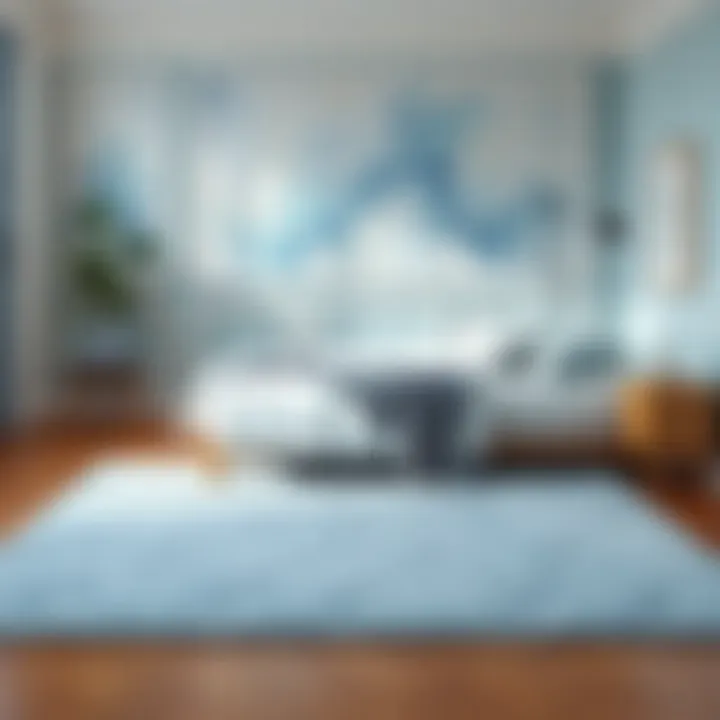
A deeper understanding of light blue includes how it interacts with other colors, enriching the design’s visual landscape. Recognizing complementary and contrasting colors enables homeowners to devise strategies for blending hues effectively.
Complementary Colors
Complementary colors are those that sit opposite each other on the color wheel, allowing for striking contrasts and harmonies. In the context of light blue, soft hues such as coral or peach create an inviting atmosphere when paired together. This synergy can bring life to a bedroom, making the light blue rug a focal point. Homeowners often favor such pairings as they create a look that is dynamic yet cohesive. One consideration is ensuring that the complementary color does not overshadow the light blue, thus maintaining balance throughout the décor.
Contrasting Dark Shades
Contrasting dark shades like navy or charcoal can effectively highlight the softness of light blue, adding sophistication to a space. This method introduces depth and can transform a room from bland to stylish by providing visually appealing contrast. Such shades tend to ground a room, providing a solid foundation against the ethereal feeling of light blue. However, balance is key; using too much contrasting dark color can shift the mood from serene to heavy, diminishing the intended tranquility provided by light blue.
Considering the relationships between light blue and other colors not only enriches the design choices but also aids in creating a space that truly feels like home.
Design Styles That Embrace Light Blue Bedroom Rugs
Light blue bedroom rugs offer a touch of tranquility and elegance, making them a versatile choice across various design styles. Their unique ability to blend seamlessly into different aesthetics is what makes this section particularly significant. By understanding how light blue rugs integrate into contemporary, shabby chic, and coastal designs, homeowners and interior enthusiasts can better appreciate their role in enhancing both the functionality and aesthetic appeal of a room.
Contemporary Design
Sleek Lines and Minimalism
In contemporary design, light blue bedroom rugs stand out due to their ability to complement the sleek lines and minimalistic principles that define this style. The key characteristic of contemporary design is its focus on functionality and simplicity, where every piece serves a purpose yet contributes to a polished look. A light blue rug can bridge the gap between hard surfaces and soft furnishings, creating a cozy layering effect.
Light blue rugs embody this sentiment well. Their subtle color enhances the spaciousness often sought in contemporary spaces. Because contemporary design tends to favor airy and uncluttered environments, incorporating a light blue rug can introduce calming colors without overwhelming the senses. However, one unique feature is that such rugs need to be carefully selected, as excessively intricate patterns might detract from the minimalist allure, making simplicity a top priority.
Integrating Textures
Another significant aspect of contemporary design is the integration of various textures, and light blue rugs do not shy away from this challenge. By combining materials like wool or synthetic fibers, designers can create a visually appealing contrast that enriches the space. The key characteristic here is the tactile experience that these rugs provide, adding depth and warmth to an otherwise stark room.
Integrating a light blue rug can effectively soften room edges while maintaining the overall sleek aesthetic. The unique feature of blending textures allows for an engaged atmosphere, generating interest without becoming chaotic. However, designers must balance texture variety; too many contrasting elements can produce a cluttered effect, which is the opposite of what contemporary design seeks to achieve.
Shabby Chic and Vintage Styles
Layering With Vintage Furniture
Layering with vintage furniture can significantly affect how light blue rugs are perceived in a shabby chic setting. This particular design style embraces imperfections, often opting for reclaimed and vintage elements. The key characteristic of layering with vintage pieces is that it creates a sense of history and warmth within a space, and a light blue rug can act as the perfect foundation to tie these elements together.
By featuring a light blue rug amongst vintage chairs and tables, homeowners achieve a harmonious look that is relaxing yet visually rich. One advantage of this approach is that it allows for personal expression, as vintage furniture tends to be unique. However, the challenge lies in ensuring that the light blue rug complements rather than competes with these vintage items. Careful selection ensures that the chosen rug offers a cohesive effect, enhancing rather than detracting from the overall aesthetic.
Emphasizing Softness
Another appealing aspect of shabby chic design is its focus on softness and comfort. Light blue rugs can contribute significantly to this ambiance by evoking feelings of calm and serenity. The key characteristic of emphasizing softness is the creation of an inviting atmosphere, where textures and colors combine to offer comfort.
A light blue rug, with its gentle hue, adds to this softening effect, often inviting one to walk barefoot or lounge in the space a bit longer. Its unique quality lies in how it balances delicate vintage elements with modern interpretations of shabby chic. However, too much softness can lead to a lack of defined structure, which might leave the space feeling undefined and lost.
Coastal and Nautical Themes
Harmonizing With Sea-Inspired Decor
Incorporating light blue rugs within coastal and nautical themes is a no-brainer; the color instinctively resonates with the ocean and sky. The key characteristic of harmonizing these elements is how they reflect natural beauty and create an atmosphere reminiscent of seaside retreats. This synergy enhances the overall theme, making the decor warm and inviting.
Light blue rugs often complement other sea-inspired decor like coral patterns or ocean imagery, contributing to a holistic design. One advantage is that they elevate the coastal charm and make the space feel breezy and relaxed. However, while combining with nautical colors, it's crucial to maintain balance; an overload of sea-related hues can easily drift into cliché.
Creating a Relaxed Atmosphere
Ultimately, the greatest gift of a light blue rug in a coastal theme is its ability to create a relaxed atmosphere. The distinct feature of utilizing light shades creates a calming effect, echoing the tranquility found by the shore. The overall goal here is simplicity and ease, which is achieved through mindful selections in decor.
By placing a light blue rug in a bedroom, one transforms the space into an oasis of calm amid daily chaos. One advantage to this is how easily the gender-neutral color appeals to a wide audience, making it a fantastic choice for shared spaces. The only downside is that if not maintained properly, the soft color can show dirt and stains more readily, which can detract from the relaxed ambiance.
Materials and Textures of Light Blue Rugs
When it comes to choosing a light blue bedroom rug, the materials and textures play a pivotal role in not just the aesthetic appeal but also the functionality and practicality of the rug in your space. Rugs are more than just decorative pieces; they are essential elements that influence the overall comfort, maintenance, and durability of a room.
Selecting the right rug material can mean the difference between a cozy sanctuary and an uncomfortable, high-maintenance space. Understanding these materials will equip homeowners and interior designers with the knowledge necessary to make informed choices that align with their preferences and lifestyle.
Natural Fiber Rugs
Natural fiber rugs are a popular choice for those who seek an organic, earthy vibe in their living spaces. They bring a sense of warmth and texture that enhances the comfort of the room. Below are three common natural fiber options:
Wool
Wool is a standout material in the realm of rugs, celebrated for its durability and luxurious feel. The key characteristic of wool is its inherent softness combined with robustness; it can withstand heavy foot traffic without losing its shape. Wool is also a natural insulator, which means it keeps the room warmer in the winter, contributing to a homely atmosphere.
One unique feature of wool is its ability to wick moisture away, making it resistant to mold and mildew. However, it can be prone to staining, requiring immediate attention if spills occur. Despite this minor drawback, the benefits of wool rugs, including their long lifespan and comfort, make them a popular choice for bedrooms.
Jute
Next in line is jute, often regarded as a more affordable and eco-friendly option. One of the key characteristics of jute is its coarse texture and natural color palette, which pairs beautifully with light blue hues, creating a laid-back ambiance. Jute rugs provide a sense of outdoor tranquility when used indoors, contributing to a relaxed feel in any bedroom.
This material's unique feature is that jute is biodegradable and often produced with minimal environmental impact. However, its rough texture might not be the ideal choice for everyone, especially if you’re looking for something softer underfoot. Additionally, jute rugs can be less durable in high-moisture areas, which is something to consider if your bedroom tends to get humid.
Silk
Silk rugs are the epitome of luxury. The key characteristic of silk is its lustrous sheen and elegant softness, which can elevate the look of a bedroom instantly. These rugs often showcase intricate designs and can add a layer of sophistication. Silk's unique feature is its lightweight quality, making it easier to move and rearrange.
However, silk is not as durable as wool or jute; it's more susceptible to damage from foot traffic and can stain easily. While they are undeniably beautiful, they may require more vigilant care and maintenance to keep them looking pristine.
Synthetic Fiber Options
Synthetic fibers have carved a niche for themselves in the rug industry, especially for those seeking cost-effective and versatile solutions. Here are three commonly used synthetic fibers:
Polyester
Polyester stands tall due to its stain resistance and vivid color retention. The key characteristic of polyester is its ability to mimic more expensive natural fibers while being budget-friendly. This makes it a favorable choice for families or pet owners who need something stylish yet practical.
A unique feature of polyester rugs is that they are often machine-washable, providing an added layer of convenience. On the flip side, polyester does not have the same level of durability as wool, making it less ideal for high-traffic areas or homes looking for long-term investment.
Nylon

Nylon is another heavyweight in the synthetic category, known for its resilience. The key characteristic of nylon is its durability against wear and tear, making it perfect for households with kids or pets. Nylon rugs can handle heavy foot traffic and maintain their appearance for many years.
The unique feature of nylon is its inherent ability to bounce back from compression, which means it resists flattening over time. However, it can be less eco-friendly compared to natural fibers, which is a consideration for environmentally conscious consumers.
Viscose
Viscose, often known for its silk-like appearance, brings an air of elegance to any space. The key characteristic of viscose is its softness and luster, which plays well with light blue tones, creating an inviting environment. Viscose rugs are particularly suited for more formal settings, where aesthetic appeal is paramount.
A unique feature of viscose is how well it holds color, ensuring that the vibrant light blue remains intact over time. Nonetheless, it’s worth noting that viscose can be tricky when it comes to cleaning; it is not as stain-resistant as synthetic options and might require special care.
Maintenance and Care for Light Blue Rugs
Maintaining and caring for light blue rugs is not just a chore—it’s an essential practice for preserving their beauty and functionality. Given that light blue can display dirt and stains more prominently than darker colors, a regular care routine is vital. Proper maintenance enhances the aesthetic appeal while prolonging the lifespan of the rug, ensuring that it stays an inviting feature in your bedroom.
Routine Care Practices
Regular Vacuuming
One of the cornerstones of maintaining your light blue rug is regular vacuuming. This practice cannot be overstated; it is crucial for preventing dirt and dust from embedding themselves deep into the fibers. Carding and moving a vacuum over the surface helps capture particles that can dull the vibrant hue of your rug over time. The key characteristic of regular vacuuming is its non-invasive nature—it won’t damage the fibers, serving as a gentle yet effective way to keep your rug clean.
Moreover, this proactive approach serves as a beneficial choice for maintaining hygiene in your bedroom. In rooms often frequented by pets or visitors, regular vacuuming becomes even more crucial. However, it does have some caveats. Sticking to gentle suction settings can prevent wear on delicate fibers, a common mistake many may overlook.
Stain Removal Techniques
Stains are an inevitable part of life, but having effective stain removal techniques on hand can make all the difference. When it comes to light blue rugs, the goal is to act swiftly. A characteristic feature of stain removal techniques is the blend of household items you can use, making them both easily accessible and cost-effective.
For example, a simple concoction of white vinegar and water can do wonders for lifting those pesky marks without compromising the rug's color integrity. As a popular choice, these techniques empower homeowners to tackle stains themselves, which can be a real lifesaver. However, if not done correctly, certain methods may inadvertently cause color bleeding or fiber damage, so always test on a small spot first.
Deep Cleaning Methods
Deep cleaning is another layer of care that shouldn't be neglected. It goes beyond routine care, addressing accumulated grime and odors trapped within the rug. This process allows for maintaining both aesthetic and functional characteristics of the rug, ensuring that it continues to add value to your interior space.
Professional Cleaning Services
Turning to professional cleaning services can make a world of difference, especially for larger or more valuable rugs. Hiring skilled professionals brings expertise and specialized equipment, often resulting in a much cleaner outcome than DIY attempts would achieve. Their key characteristic is using a variety of cleaning techniques tailored to the specific materials of your rug, preventing any potential harm.
For homeowners who prefer a hands-off approach, professional cleaning proves beneficial. The time saved can be significant, and the peace of mind knowing your rug is in expert hands offers invaluable reassurance. However, some may find it costly, making this more suited for occasional deep cleans rather than a regular routine.
DIY Cleaning Solutions
On the other hand, DIY cleaning solutions offer a fantastic, budget-friendly alternative for deep cleaning your rug. With just a few common household ingredients—like baking soda, which helps to eliminate odors—homeowners can tackle stains and freshen their rugs without breaking the bank. The key characteristic of DIY cleaning is the sense of accomplishment it can bring, making it ideal for those who enjoy hands-on projects.
However, it requires awareness of how different fibers respond to various cleaning agents, as using an unsuitable product could lead to unintended consequences. Therefore, conducting comprehensive research into safe cleaning methods for your specific rug type is essential for a successful outcome.
"Regular care can sentimentally connect you with your living space, transforming a simple rug into a cherished element of your home."
Through a balanced mix of routine care practices and strategic deep cleaning methods, light blue rugs can retain their charm for many years, seamlessly fitting into the serene ambiance of your bedroom.
Strategic Placement of Light Blue Rugs
Strategically placing light blue rugs in a bedroom can transform not only the aesthetic but also the functionality of the space. This section explores how thoughtful placement can enhance a room’s ambiance, contribute to its comfort, and work harmoniously with existing decor. Understanding where and how to place these rugs is crucial for maximizing their potential, ensuring they serve a purpose beyond mere decoration.
Under Bed Placement
Defining the Sleep Area
Defining the sleep area is paramount when integrating a light blue rug under the bed. This approach creates a tailored space that clearly delineates the sleeping zone from the rest of the room. A well-placed rug can also foster a feeling of coziness, establishing a sanctuary for rest and relaxation.
A key characteristic of this placement is its ability to anchor the bed. It serves as a visual anchor that can enhance the overall harmony of the room. Many designers lean towards this choice since it unifies the bedding and flooring, generating a sense of flow that implies sophistication.
The unique feature of defining the sleep area with a rug of light blue is its capability to interact with the bedroom’s color palette. This shade often evokes feelings of tranquility, and how it contrasts with darker furniture or bedding can amplify the warmth of your space. However, it’s worth noting that for smaller bedrooms, oversizing the rug can make the area appear cramped, which could detract from its soothing qualities.
Enhancing Comfort
Enhancing comfort is another significant advantage of using light blue rugs through placement under the bed. Feeling the softness beneath one’s feet upon waking or before going to sleep cannot be overstated. This feature transforms a bedroom into not just a place to sleep, but an inviting retreat.
The primary characteristic of this comfort-oriented placement is the tactile experience it provides. Opting for plush textures makes this area even more appealing. Many homeowners find that a well-chosen rug boosts the overall comfort level, encouraging longer periods of relaxation and sleep.
However, while these rugs enhance comfort, they do require regular maintenance to keep them looking plush and appealing. A light blue rug may show dirt or wear more readily than a darker option, calling for frequent vacuuming to maintain its aesthetic appeal.
Layering Rugs
Combining Textures
Combining textures through layering rugs is a brilliant method to elevate the room’s design. A light blue rug paired with a complementary or contrasting rug creates a rich, dynamic appearance. This strategic placement introduces depth, making the space feel more inviting and complex.
The key characteristic of combining different textures lies in the visual and tactile contrast it creates. An example can be laying down a soft light blue wool rug over a coarser jute or sisal rug. Each enhances the other’s qualities, enriching the overall look and feel of the bedroom.
The unique advantage of this blending is that it allows for creativity within the space without overwhelming it. However, homeowners should be wary of choosing colors and patterns that clash, as mismatched combinations can lead to visual chaos rather than harmony.
Creating Visual Interest
Creating visual interest is vital when layering rugs, as it invites the eye to explore the space more thoroughly. With light blue as a base color, the layering of different patterns or shades can capture attention effectively, bringing the design elements together.
A key characteristic of this tactic is its ability to be tailored to personal taste. Whether one prefers bold patterns or subtle designs, the inclusion of a light blue rug can act as a unifying element in an arrangement of varying styles.
The unique aspect of creating visual interest is in its capacity to make a room feel dynamic and alive. However, there is a risk that over-layering can lead to a cluttered look if not executed with thought. Therefore, balance is essential while creating an engaging visual narrative.
"A well-placed light blue rug can redefine a space, offering not only comfort but also a canvas for creativity."
Combining Light Blue Rugs with Other Decor
The strategic combination of light blue rugs with various elements in a bedroom not only enhances aesthetic value but also amplifies the overall functionality of the space. Rugs serve as a foundation upon which the entire interior design narrative is built, guiding color choices, fabric selections, and even artwork placements. Integrating light blue rugs with other decorative components can create a harmonious atmosphere that balances style and comfort while highlighting personal taste.
Matching Upholstery and Fabrics
Selecting Complementary Colors


When we talk about matching upholstery and fabrics with light blue rugs, selecting complementary colors becomes crucial. Combining colors that harmonize with light blue, such as soft grays, whites, or even hints of coral, contributes significantly to a serene ambiance. This pairing ensures that no single element grabs too much attention, fostering a balanced look throughout the room.
One appealing aspect of selecting complementary colors is their ability to evoke calmness and tranquility. For instance, using neutral tones alongside light blue provides not only a sense of peace but also makes a bold statement about aesthetic sophistication. You could juxtapose a deep navy blue or rich walnut wood against the softness of light blue, resulting in a striking contrast that attracts the eye while remaining cohesive.
However, an important consideration is the potential for overwhelming a small space. If too many competing colors are introduced, the effectiveness of light blue as a calming factor may diminish, creating visual chaos rather than harmony.
Mixing Patterns and Textures
Delving into mixing patterns and textures around light blue rugs opens a door to an engaging decor story. Layering different textures is like adding chapters to a book, each telling a part of a narrative. For example, combining a light blue shag rug with a fairly smooth, patterned fabric for upholstery can create visual interest without coming off as too loud.
The key characteristic of mixing patterns effectively is to maintain a common thread, so to speak. For instance, shapes reflecting waves or organic patterns can emphasize the clean lines often associated with coastal themes, reinforcing that laid-back vibe that light blue is known for. This approach lends itself to versatility, making it a favored method in modern aesthetics.
Yet, it's wise to tread carefully. Overly bold patterns mixed together can lead to clashing rather than complementing. Keeping one pattern muted can provide that necessary balance and ensure that the light blue rug remains the room's focal point.
Incorporating Artwork and Accessories
Framing the Space
Artworks and accessories play an instrumental role in framing the space defined by light blue rugs. They can act as the finishing touches that round out the design aesthetic. Choosing framed wall art or decorative items that echo the light blue hues within the rug can create a visually unified look. For instance, abstract paintings incorporating similar shades can invite dialogue between the rug and the surrounding decor.
One standout trait of framing the space effectively is its functionality in directing attention. By carefully selecting decor elements that highlight light blue's delicate charm, one can guide visitors' gazes naturally through the space. This not only enhances the room’s appeal but also creates an inviting atmosphere that feels complete.
However, be cautious of neglecting the scale. Overly large or complex art pieces can overshadow the gentle calming quality of the light blue rug.
Building a Cohesive Look
Finally, building a cohesive look is essential when incorporating light blue rugs with other decor. Each choice from furniture to accessories should contribute to an overarching narrative. Using color motifs, textures, and shapes throughout the decor helps strengthen this cohesion.
A primary advantage here is simplifying decision-making; a cohesive look offers a streamlined approach allowing the eye to flow seamlessly from one piece to another. Utilizing a series of repeated colors or textures can result in a room that feels curated rather than haphazard.
Conversely, one must be mindful of monotony. The objective is not uniformity but rather a thoughtful connection of components. A careful blending of light blue rugs with well-considered accents results in a space that is both personal and elegantly styled.
Whenever integrating light blue rugs into your decor, remember to consider not just the aesthetic impact but also how each element serves a function within your space.
The Role of Light Blue Rugs in Tiny Spaces
In the realm of interior design, particularly within confined quarters, achieving a sense of expansiveness while maintaining comfort can be quite the balancing act. Light blue rugs emerge as not just decor items but as strategic assets that assist homeowners and designers in crafting visually appealing and functional environments. They play a monumental role in transforming small spaces, making them feel more welcoming while enhancing aesthetic quality.
Creating Illusions of Space
Optical Effects of Color
The color blue has a natural tendency to evoke feelings of calmness and openness, which can significantly influence the perception of space. Light blue can mentally expand the boundaries of a room, lending an airy quality that larger, darker colors might stifle. This gentle hue can reflect light effectively, contributing to an illusion of greater depth and dimension.
One of the most striking features of using light blue is how it interacts with natural and artificial lighting. During the day, sunlight dances off this soft color, giving life to a room. At night, well-placed lamps can create a warm glow that softens edges and corners, further enhancing the feeling of spaciousness. These effects combined are particularly beneficial in tight living quarters, as homeowners seek solutions that charm and comfort without overwhelming the senses.
Using Size Wisely
It's not just about the color itself; the size of the rug plays a crucial role in dictating a room's flow and feel. A smaller rug placed strategically can delineate areas without cutting off visual continuity, fostering an open atmosphere. Often, individuals make the mistake of opting for oversized rugs, which can, paradoxically, trap the space and give it a cramped feel.
Opting for more moderately sized rugs allows for furniture to comfortably anchor around them, thus framing the room beautifully. It creates a focal point without overwhelming the space, meticulously guiding the eye on a journey through the area. In small rooms, such thoughtful consideration of rug size serves as a savvy design move, ensuring that every piece contributes to a harmonious ensemble rather than adds clutter.
Enhancing Open Concept Areas
With the modern trend toward open concept living, light blue rugs offer a perfect opportunity to establish visual anchors within these expansive layouts. They help in defining spaces effectively while still contributing to a unified aesthetic.
Defining Zones Effectively
Light blue rugs function as boundaries between living areas and dining spaces in open concept designs. They clarify the purpose of various areas while maintaining a free-flowing design. For example, a light blue area rug beneath a coffee table in the living room can signal relaxation while subtly contrasting against the wooden dining table nearby.
This act of demarcating zones allows functionality without the use of barriers, which can feel clunky in smaller homes. Indeed, the unique feature of light blue rugs lies in their ability to inform spatial relationships — letting inhabitants navigate different areas without feeling lost or enclosed.
Maintaining Flow Throughout
Despite their charm, maintaining a sense of cohesiveness amid diverse areas can be a challenge. Light blue rugs help bridge this gap, preserving flow between spaces through color and texture continuity. Their calm hue encourages ease and serenity as one moves from room to room.
A well-thought-out setup may involve using complementary shades of blue across region rugs, enhancing the flow further. This technique ensures that the design doesn't break at transitions, allowing the eye to glide effortlessly. Plus, the soft tones of light blue can harmonize different decor styles, making it a versatile choice that does not clash but rather complements the overarching theme.
"A light blue rug does not merely beautify; it crafts an experience, shaping how we interact with our space."
In summary, light blue rugs are more than just a functional piece; they serve as powerful design elements in small areas, promoting a sense of openness and continuity. By strategically considering both color and size, they allow for transformative effects in the environment, balancing beauty and function effectively.
Personalizing Your Space with Light Blue Rugs
Personalizing a living area, especially a bedroom, is about more than just aesthetics; it's a reflection of personal identity and style. Light blue rugs serve as a versatile medium through which homeowners can express their taste while enhancing the space's overall atmosphere. These rugs knit together color palettes and textures, offering both comfort and visual appeal. By integrating personal elements, such as artwork and unique fabric choices, one can create a haven that feels like a true sanctuary.
Incorporating Personal Artwork
Evoking Personal Memories
Incorporating personal artwork into a bedroom setup can significantly amplify the emotional resonance of the space. The unique aspect of evoking personal memories through artwork means that every piece tells a story or holds a cherished memory. It is not just fluff on the walls or surfaces; it's imbued with nostalgia and emotion, forming a bond between the space and its inhabitants.
This practice is particularly beneficial because it can spark conversational topics for visitors, enhancing the social dimension of your home. Plus, personal touches make a space feel more inviting and warm. When complemented with light blue rugs, which evoke calmness and tranquility, the effect is even more profound. The unique feature of tying in personal artwork with light blue rugs is that it establishes a cohesive aesthetic that balances comfort with emotional depth. However, ensure that the style of the artwork harmonizes with the calming energy of the rug to avoid clashing designs.
Showcasing Individual Taste
Showcasing individual taste through decor choices is a hallmark of a well-designed bedroom. Light blue rugs can serve as a backdrop for displaying personal style, whether it's eclectic, minimalistic, or contemporary. This element is key as it allows homeowners to curate their space in line with their preferences, making comfort and style coexist harmoniously.
One key characteristic of showcasing one's taste is the opportunity to mix and match different elements, creating a room that feels truly yours. When using a light blue rug as a base, various accent colors and textures can be explored, from bold artworks to chic furniture choices. The advantage lies in the flexibility of integrating multiple styles without feeling overcrowded. On the downside, excessive mixing can create a chaotic look if not done thoughtfully, so it's important to maintain a consistent theme.
Using Rugs as Style Statements
Making Bold Choices
Making bold choices in your decor can transform a bland bedroom into something extraordinary. Choosing a light blue rug that contrasts or complements other elements in the room can be a statement in itself. The specific aspect of making such bold choices is the ability to dramatically shift the room's ambiance; a daring design can energize the space, while understated patterns may evoke a sense of calm.
This approach is popular for those looking to make their interiors unforgettable. A unique light blue rug can serve as a centerpiece, drawing the eye and tying the room together. However, with bold choices comes the risk of overwhelming the senses; hence, it’s crucial to balance with subtler accents or neutral tones.
Enhancing Existence Design
Enhancing existence design means creating an environment that is not only functional but deeply reflective of one's lifestyle and preferences. This is especially relevant in bedrooms, where the objective is to foster relaxation and personal connection. Light blue rugs can effortlessly enhance existence design by introducing softness and warmth, making the space feel inviting and user-friendly.
A key characteristic here is the way a light blue rug can unify various elements, such as furniture, decor, and color schemes, helping each piece shine in synergy. This is a popular choice for individuals who appreciate thoughtful, cohesive designs in their living spaces. One unique feature of this approach is how it encourages a sense of balance – light blue can be both calming and inspiring. However, the challenge lies in ensuring the designs remain functional. Too many stylistic queries might distract from the space's purpose – to provide comfort and rest.