Innovative Sliding Wardrobe Designs for Modern Spaces
Intro
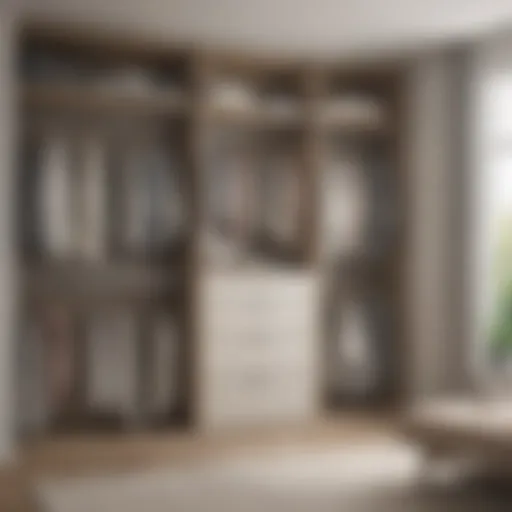
In contemporary home design, the sliding wardrobe has emerged as a staple in maximizing space while adding a touch of sophistication to interiors. These wardrobes are not just storage solutions; they are versatile pieces that can transform the very essence of a room. As we dive into this exploration, we will cover how to select the right materials, understand space requirements, and draw inspiration from trendy styles and colors. The aim is to guide homeowners, interior designers, and DIY enthusiasts, helping them to make informed choices that marry practicality with aesthetic appeal.
Furniture Selection
Choosing the Right Material
When it comes to sliding wardrobes, the material you choose speaks volumes about not only the durability but also the overall feel of your room. Common materials include wood, glass, and even metal. Each brings its own unique character.
- Wood: Offers warmth and a classic charm, suitable for rustic and traditional settings. Oak or walnut can provide a rich look.
- Glass: This option opens up a room, creating an illusion of space. Frosted or mirrored glass can minimize clutter visually.
- Metal: Adds a modern edge, great for more contemporary designs. Stainless steel finishes can elevate a simple design into something striking.
Consider how these materials fit with your personal style and the existing decor of your space. Mixing materials is also an option, creating a unique blend that can showcase both function and artistic flair.
Understanding Size and Space Requirements
Before settling on a specific wardrobe design, analyzing your space is crucial. First, take measurements of where you plan to place the wardrobe. Consider not just the width and height but also the depth.
- Measure Twice: It’s better to be safe than sorry. Double-check your measurements to ensure the wardrobe will fit perfectly in your designated area.
- Space for Functionality: Enough room should be left for the sliding doors to operate smoothly. A design that seems perfect on paper might not work in reality if you overlook this important aspect.
Utilizing a sliding wardrobe in tighter spaces, such as small bedrooms or studio apartments, can be a game-changer. It allows you to achieve organization without compromising floor space, making the area feel more open and breathable.
Design Inspiration
Trending Styles and Themes
Design trends are constantly evolving, and sliding wardrobes are no exception. In recent years, minimalistic designs have gained traction, focusing on simplicity and function. Here are a few styles to consider:
- Scandinavian: This style emphasizes clean lines and functionality, integrating natural wood tones and soft colors.
- Industrial: Exposed metal and raw wood blend seamlessly in this theme, perfect for loft-style apartments.
- Bohemian: Layering various textures and patterns can create a cozy and expressive space, even within a wardrobe.
Experimenting with these themes can lead to a wardrobe that not only serves its purpose but also becomes a focal point in the room.
Color Schemes and Aesthetic Integration
Colors play a pivotal role in any design. The shade of your sliding wardrobe will affect not just its look but also the mood of the room. Light colors can create a sense of airiness, while darker hues tend to evoke sophistication.
"Selecting a wardrobe color that harmonizes with your existing palette can enhance the overall aesthetics of a space."
Some popular palettes might include:
- Neutrals: Perfect for a timeless feel. White, beige, and gray are versatile.
- Bold Colors: A pop of color can energize the space; think deep blue or rich burgundy.
- Pastels: Soft colors can add a gentle touch, suitable for bedrooms or children's rooms.
Prolusion to Sliding Wardrobe Designs
When it comes to maximizing space and style within our homes, sliding wardrobes have carved out a significant niche. They offer a seamless blend of practicality and aesthetics, providing not just storage, but also serving as an integral part of interior design. As living spaces shrink and the demand for functionality in home design grows, understanding sliding wardrobe designs becomes increasingly relevant.
Understanding the Concept
A sliding wardrobe essentially functions with doors that glide open, rather than swinging out like traditional cupboard doors. This concept is not merely about design; it’s a response to the evolving needs of modern homeowners. Residential areas are often cramped, and every square inch of space needs to be effectively utilized. The innermost workings of a sliding wardrobe allow for storage without compromising the flow of movement in a room.
Picture this: You’re in a narrow hallway and you want to access your clothes. With a conventional wardrobe, the swinging doors could knock into the walls or even you. However, a sliding door quietly glides back, offering unobstructed access. Its core benefit lies in the convenience it provides, making it a game-changer for any room layout.
Furthermore, sliding wardrobes offer a variety of aesthetic possibilities. They can be customized to fit the decor of any home, from minimalistic modern styles to cozy traditional looks. Different finishes and materials—be it sleek glass, rustic wood, or polished metal—allow for personal expression and can transform a closet area into a key design feature rather than a mere utility.
Evolution of Wardrobe Styles
As we peer into the history of wardrobes, we find that these furniture pieces have adapted in style and function throughout the ages. From the ornate designs of the Victorian era to the sleek lines of contemporary furniture, wardrobes have evolved to meet the tastes and needs of different times.
Initially, wardrobes served not just as storage, but as a status symbol, the center of the bedroom aesthetics. Filled with lavish details and extravagant ornamentation, they were more about showcase than functionality.
As decades rolled on, designs shifted towards more practical considerations. The rise of smaller living spaces necessitated designs that made efficient use of limited areas. These days, households are embracing built-in options, allowing for smoother integration into wall spaces. No more bulky furniture pieces that clutter a room; instead, wardrobes that blend seamlessly with the architecture of the home.
Today’s sliding wardrobes exemplify this evolution. They do not merely accommodate clothing; they reflect individual style, functionality, and even technological advancements. Smart features, such as integrated lighting or modular compartments, represent the forward-thinking design that has characterized the evolution of wardrobes. This journey showcases how styles have responded to the needs of society—forever adapting yet consistently meeting the essence of storage and personal expression.
Benefits of Sliding Wardrobe Systems
In today’s fast-paced world, efficiency meets elegance in the realm of interior design, particularly with the increasing popularity of sliding wardrobe systems. Understanding the benefits of these designs is imperative for homeowners, interior designers, and DIY enthusiasts alike. With their ability to marry style with functionality, sliding wardrobes are more than just storage solutions; they are key elements that can transform your living space. This section will explore the space efficiency, design versatility, and enhanced accessibility that sliding wardrobe systems offer.
Space Efficiency
One of the standout features of sliding wardrobes is their knack for maximizing space, especially in tight quarters. Unlike traditional hinged-door wardrobes that swing out, potentially blocking walkways or precious floor area, sliding doors glide smoothly on tracks. This can prove invaluable in small rooms where every inch counts.
Imagine a compact urban apartment where you need to optimize every corner. With a sliding wardrobe, you can easily tuck away garments and accessories without worrying about door clearance. Why clutter your space when a sleek design can enhance it?
Some considerations include:
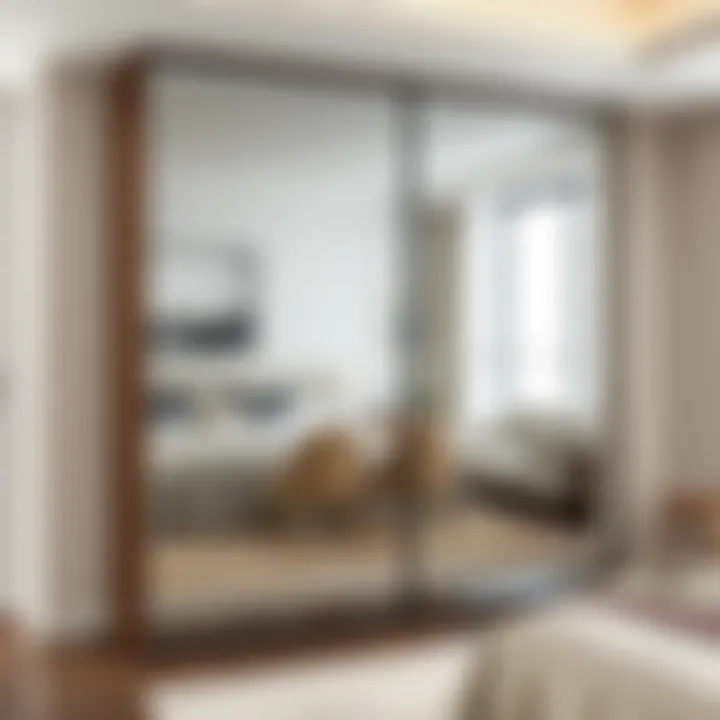
- Wall Integration: Sliding wardrobes can be built into walls, thus eliminating wasted space. This method provides a streamlined look while maintaining ample storage.
- Corner Solutions: Custom designs allow for corner wardrobes that make use of often-overlooked areas, adding functionality without compromising on style.
"In small spaces, every square foot matters. Sliding wardrobes help in crafting a home that's as spacious as it is stylish."
Design Versatility
Sliding wardrobes bring a wealth of design possibilities to the table. Whether you lean towards minimalist aesthetics or bold statements, there’s a sliding wardrobe style to suit every taste. For instance, high-gloss panels can brighten up a dimly lit room, while wooden textures can instill warmth and homeliness. The options are nearly endless and can include:
- Color Coordination: Mixing and matching colors to fit existing decor not only reinforces harmony in your space but also reflects your personality.
- Material Mixes: Glass, wood, and metal can be combined to create a unique architectural feature in the room. Think about integrating frosted glass panels for a sophisticated touch or using metal frames for an industrial feel.
Additionally, sliding wardrobes offer customizable features, such as built-in lighting and shelves, which can further elevate your interior style.
Enhanced Accessibility
Accessibility is often an overlooked aspect of wardrobe design. With sliding wardrobes, the ease of access is significantly improved compared to traditional models. The doors slide open with minimal effort, allowing you to retrieve items quickly without hassle.
Furthermore, the layout could be tailored to eliminate the usual overhead reach that conventional setups require. Some additional points to think about include:
- Child-Friendly Design: For families, having a wardrobe that’s easy to access can promote independence in children, allowing them to choose their outfits without adult assistance.
- Aging in Place: As we often emphasize the importance of adaptability in homes, these designs provide simpler access for the elderly or people with mobility challenges.
Materials Used in Sliding Wardrobe Designs
When it comes to sliding wardrobe designs, the choice of materials doesn’t just define the durability and functionality of the space; it shapes the entire aesthetic experience. Each material brings its own character and functionality, addressing various consumer needs and preferences. The right choice can transform a simple wardrobe into a statement piece, enhancing any room while ensuring it meets practical demands. Here, we'll explore the various materials used in sliding wardrobes, focusing on wood, glass, and metal, offering a deep dive into their individual benefits and considerations.
Wood and Veneer Options
Wood remains a classic choice for sliding wardrobes, loved for its natural beauty and warmth. From oak to walnut, the type of wood selected can significantly impact the overall design. The rich textures and grains of wood give wardrobes a sense of permanence and can complement a variety of decor styles, from rustic to contemporary.
Benefits of Wood:
- Aesthetic Appeal: The variety of finishes allows for countless design possibilities, making it easy to match the wardrobe with existing decor.
- Durability: Quality hardwood is not only long-lasting but can also withstand the wear and tear of daily use.
- Customizability: Wood can be stained or painted, allowing homeowners to personalize their wardrobes according to their style preference.
However, it’s important to note that wood requires some maintenance. Regular polishing can help maintain its luster, and care must be taken to avoid moisture that can warp or damage the material over time. Veneer, on the other hand, offers a cost-effective option that captures the essence of wood while minimizing some of the drawbacks associated with solid wood.
Glass and Mirrored Panels
Utilizing glass in sliding wardrobes uplifts both the functionality and visual appeal of a space. Glass panels, whether frosted, clear or patterned, can create a sense of openness and light, making smaller rooms feel larger. Furthermore, mirrored panels serve a dual purpose, providing not just storage but also a convenient place to check one’s appearance.
Benefits of Glass and Mirrors:
- Illumination: Reflective surfaces enhance natural light, brightening up dark corners and giving the room an airy feel.
- Stylish Statement: Sleek glass designs evoke a modern and sophisticated look, appealing to contemporary tastes.
- Space-saving: Mirrored panels can eliminate the need for additional mirrors in your home, saving valuable wall space.
On the flip side, glass surfaces can require frequent cleaning to maintain their shine and clarity, particularly if they endure fingerprints or dust. Safety should also be a consideration; reinforcing the glass or choosing tempered options can mitigate potential hazards.
Metal Frameworks
Metal frameworks in sliding wardrobes are often overlooked but can provide a striking contrast to softer materials like wood and glass. Aluminum and stainless steel are commonly utilized due to their strength and resistance to corrosion, making them suitable for long-lasting applications.
Benefits of Metal Frameworks:
- Modern Edge: The clean lines and industrial feel of metal can be paired beautifully with various materials, lending a contemporary vibe.
- Longevity: Metals are resistant to wear, making them capable of withstanding daily usage without compromising performance.
- Lightweight yet Strong: Unlike heavier materials, metal can support structures with less bulk, allowing for sleeker designs without sacrificing stability.
Considerations for metal include its tendency to scratch or show fingerprints, which may necessitate regular upkeep. Furthermore, the choice of finish—be it brushed, polished, or painted—can dramatically alter the visual impact, allowing for adaptive designs that can fit numerous interior styles.
In summary, selecting the right materials for sliding wardrobes is essential. Each option—wood, glass, or metal—comes with its own unique benefits and challenges, warranting careful thought based on personal style and practical needs. Homeowners and designers alike should deliberate not only on the visual impact but also on the functionality and maintenance requirements of each material to ensure a harmonious balance in their living spaces.
Designing Your Sliding Wardrobe
Designing your sliding wardrobe is not just about choosing a set of doors and arranging clothes. It’s an art that blends aesthetics with functionality. The significance of this design process is paramount, and understanding its nuances can elevate the overall appeal and efficiency of your living space.
One aspect to consider is how the design reflects personal style. A wardrobe can become a focal point of a room, especially if it’s tailored to your taste. From sleek modern designs to more rustic vibes, selecting the right elements to infuse your flair can make all the difference. Integrating textures, colors, and finishes complements the overall theme while also creating a harmonious atmosphere.
Incorporating Personal Style
When it comes to personal style in wardrobe design, the choices are vast. Opting for colors that resonate with your personal aesthetic can significantly enhance the environment. For instance, minimalist designs might favor neutral tones, creating calmness, while bold hues can inject vitality into a space. You might consider:
- Selecting a color palette that syncs with your room’s existing decor.
- Choosing materials that reflect your lifestyle—such as natural wood for a warm touch or glass for a sleek feel.
- Incorporating unique hardware—things like quirky handles or custom knobs that stand out.
It’s important to make choices that genuinely reflect your personality. A wardrobe shouldn’t just serve its purpose; it should also tell a story about who you are.
Functional Layout Considerations
Beyond aesthetics, practical layout considerations cannot be overlooked. Proper function translates into ease of use and efficiency. Start by assessing the space available; a cramped area might call for a more streamlined approach. Some key aspects to think about include:
- Accessibility: Ensure that frequently used items are easily reachable. This could involve tiered shelving or pull-out drawers.
- Organization: Consider various compartments—shelves, hanging sections, or shoe racks—fitted to meet your specific needs.
- Flow: The layout should allow for smooth movement within the space. Avoid overcrowding, which can lead to frustration during daily use.
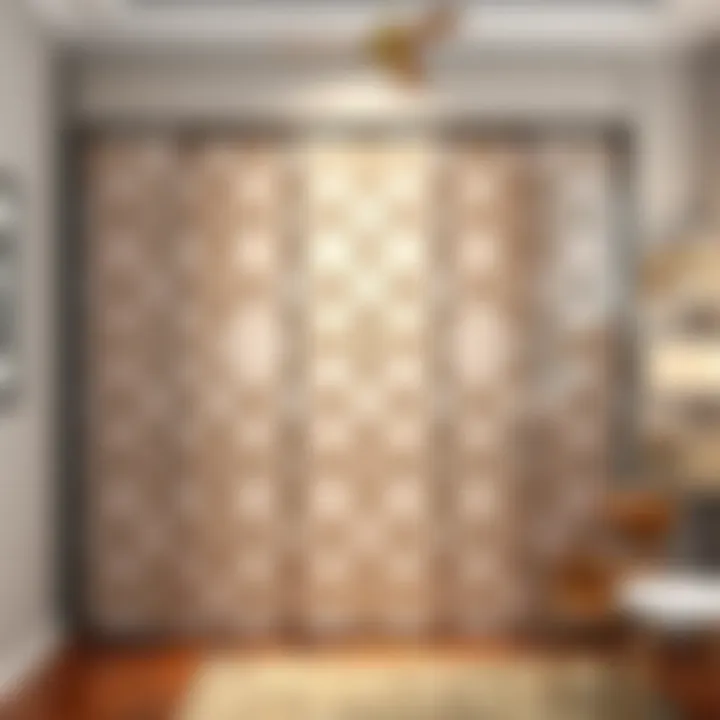
By prioritizing functional design, you’ll find that your wardrobe becomes a pleasure to use, rather than a chore.
Custom Solutions for Unique Spaces
In many homes, there might be an unusual angle or unconventional space that standard wardrobes simply can't accommodate. This is where custom solutions shine. Thinking outside the box often results in exceptional designs that fit seamlessly within your environment. Some ideas to explore might include:
- Tailored dimensions to fit alcoves or oddly-shaped rooms.
- Convertible designs that can change based on your needs, providing versatility in how you utilize the space.
- Integrated features like pull-out mirrors or built-in benches, enhancing utility without sacrificing style.
Custom solutions allow you to maximize every inch of your space, providing practical answers to design dilemmas.
Innovative Features in Sliding Wardrobes
When it comes to modern interior design, sliding wardrobes are not just a functional necessity; they are also an opportunity to integrate innovative features that enhance both practicality and aesthetics. This section explores how these advancements can elevate your sliding wardrobe experience, creating solutions that cater to the diverse needs of today's homeowners and design enthusiasts.
Built-in Lighting Options
Imagine opening your sliding wardrobe and being greeted by a warm, gentle glow that illuminates your clothing and accessories. Built-in lighting options have become a game-changer, making it easier to find what you need at a glance. You might find LED strips along the shelf edges or spotlights that highlight specific sections.
This isn't just about aesthetics; it also plays a role in functionality. For instance, having adequate lighting can help avoid the chaos of rummaging around in the dark, allowing for a stress-free morning routine. Furthermore, you can choose lighting colors—warm hues for a cozy effect or bright whites for a minimalist flair. As the saying goes, "you don't know what you're missing until you see it in the right light."
Smart Storage Solutions
In an era where efficiency is king, smart storage solutions inside sliding wardrobes have become essential. Consider features like adjustable shelving, pull-out shoe racks, or even integrated compartments designed to hold everything from ties to accessories.
These innovations help maximize space, which is crucial for those living in urban apartments with limited square footage. For a family home, these solutions ensure that every member's belongings have a designated place, reducing clutter and creating a more organized living environment. The motto here could easily be, "a place for everything, and everything in its place."
Here’s a closer look at some examples of smart storage components:
- Pull-out baskets: Ideal for easily accessed linens and clothing.
- Vertical dividers: Perfect for categorizing different types of clothing or accessories.
- Trouser racks: Specifically designed for wrinkle-free storage.
These elements combine functionality with style, showcasing that storage can indeed be chic.
Eco-friendly Features
Sustainability is no longer just a trend; it’s a way of life that many homeowners are embracing. When it comes to eco-friendly features in sliding wardrobes, it’s about incorporating materials and designs that are mindful of the environment.
For example, opting for bamboo or reclaimed wood not only gives a unique character to the wardrobe but also signifies a commitment to sustainable practices. Additionally, some manufacturers are now providing wardrobe options that use low-VOC finishes, ensuring the air quality in your home is not compromised by harmful chemicals.
Here are some eco-conscious thoughts to consider:
- Energy-efficient LED lighting
- Sustainably sourced materials
- Recyclable components
By incorporating these features, homeowners contribute to a healthier planet while still achieving an eye-catching design.
"In a world where you can be anything, be responsible."
In summary, sliding wardrobes come packed with modern innovations that not only speak to individual style but also promote efficiency and sustainability. Consumers today are eager to discover these thoughtful designs that seamlessly merge form and function. Understanding these features will aid in making informed choices that cater not only to personal taste but also to the overall family and environmental wellbeing.
Color and Finish Choices
Choosing the right colors and finishes for sliding wardrobes is like picking the perfect paint for a masterpiece. They play a pivotal role in not just the overall aesthetics but also in how the space is perceived. By carefully selecting colors and finishes, homeowners can seamlessly integrate wardrobes into their existing interior décor. Here's where these choices become particularly significant:
- Personal Expression: Colors reflect personality and set the mood of a room. A thoughtful color choice can dramatically alter perceptions.
- Visual Impact: The right finish can either create a sleek, modern look or a warm, rustic feel. Glossy finishes, for instance, can convey a sense of luxury, while matte finishes evoke a more subdued style.
- Light and Space Enhancement: Lighter colors can make a compact area feel open and airy. Darker hues can add depth but may be better suited for larger spaces.
In summary, the importance of Color and Finish Choices within sliding wardrobes cannot be overstated. They shape not only the wardrobe's individuality but also the ambiance of the entire room.
Neutral Tones for Versatility
Neutral tones are the chameleons in the color palette of sliding wardrobes. They tend to complement a variety of styles, making them an enticing option for homeowners and designers alike. Utilizing shades like beige, gray, or soft whites, one can achieve an elegant and timeless look.
- Flexibility in Design: Almost any decorative style can harmonize with neutral tones. Whether the interiors are modern, traditional, or minimalistic, neutrals lie comfortably in the background, allowing other decor elements to shine.
- Calming Atmosphere: These shades have a calming effect, which can be particularly advantageous in intimate spaces like bedrooms.
- Longevity: Neutral finishes often outlast fleeting trends, ensuring that the wardrobe remains stylish for years to come. They are less likely to clash with changing decor, avoiding the need for costly replacements or updates.
Through thoughtful use of neutral tones, wardrobes become more than mere storage spaces; they evolve into cohesive elements of home design.
Bold Colors to Make a Statement
On the flip side, bold colors can inject life into a room, making a striking statement. By incorporating vibrant hues like deep blue, rich red, or even edgy patterns, designers can transform sliding wardrobes into focal points that demand attention.
- Creating Drama: Bold choices can evoke strong emotions and can be used to express a daring personality. A striking wardrobe can define a room, creating a visual anchor amidst neutral decor.
- Trendsetting Designs: Colors such as emerald green or mustard yellow are increasingly popular, pushing the envelope beyond the traditional norms of wardrobe colors.
- Patterns and Textures: Featuring bold patterns or mixed finishes can amplify the effect. For instance, a wardrobe with high-gloss black paired with brass knobs creates a breathtaking contrast that adds both charm and sophistication.
Bold colors can be a thrilling gamble when done right, enhancing the uniqueness of any space while providing a conversation starter for guests.
"The choice of color is pivotal in defining not just the wardrobe but the essence of the living environment itself."
Maintenance and Care of Sliding Wardrobes
Maintaining sliding wardrobes is vital for ensuring longevity and functionality. While these modern storage solutions offer significant aesthetic appeal and efficiency, they require care similar to that of traditional wardrobes. Focusing on cleaning techniques and mechanical upkeep can make a world of difference in preserving their seamless operation and visual charm. Addressing wear and tear as it arises can prevent larger issues down the line, saving time and money.
Keeping Surfaces Clean
When it comes to keeping your sliding wardrobe looking sharp, cleanliness is king. Dust can accumulate quickly on surfaces, and fingerprints or smudges are almost unavoidable, especially on glass or mirrored panels. Regular cleaning not only enhances appearance but also prevents dirt build-up which can lead to scratches or staining over time.
- Materials Matter: Different materials call for different cleaning agents. Soft cloths are ideal for glass, while wooden surfaces might benefit from a little warm, soapy water followed by thorough drying.
- Routine Reflection: Set a cleaning schedule—once every couple of weeks should suffice for most areas. Pay particular attention to the tracks below the sliding doors, as dirt can easily hide there and impede smooth operation.
- Gentle Approach: For stubborn spots, avoid using abrasive sponges or harsh chemicals; they damage finishes. Instead, a mixture of vinegar and water can work wonders on glass while being gentle on other materials.
"An iconic wardrobe not only displays your style but also reflects your care. Treat it like a family heirloom, and it shall shine!"
Addressing Mechanical Issues
Sliding wardrobes are a marvel of modern design but are not without their quirks. Regular usage can lead to some mechanical issues, such as sticky tracks or misaligned doors. Addressing these concerns head-on helps maintain the wardrobe's efficiency and aesthetic appeal.
- Check the Tracks: Periodically inspect the sliding tracks for dirt build-up or debris. A quick brush or vacuum can often solve stickiness caused by grime.
- Realignment Fixes: If you notice that the doors do not close properly, it might be time to realign them. This can usually be done by adjusting the hinges or rollers, which might need to be tightened or replaced.
- Lubrication Needs: Consider applying a silicone-based spray on the tracks to keep them gliding smoothly. Avoid oil-based lubricants as they can attract dirt.
By maintaining both the surface cleanliness and mechanical aspects, you create a functional storage solution that continues to add value to your space. With a dash of diligence and the right techniques, your sliding wardrobes can remain as functional as they are stylish.
Comparative Analysis: Sliding Wardrobes vs. Traditional Wardrobes
The decision between sliding wardrobes and traditional wardrobes is not just a matter of taste; it's also about efficiency, function, and spatial dynamics. In urban settings, where space comes at a premium, understanding their distinct characteristics can guide homeowners and designers toward optimal choices that suit their needs. This analysis will examine two vital elements: cost implications and space utilization, providing a clearer picture of why one might choose sliding wardrobes over traditional models, or vice versa.
Cost Implications
When considering sliding wardrobes, initial investment often raises eyebrows. Yes, sliding wardrobe systems can be pricier than your run-of-the-mill traditional options, but this comparison goes deeper than just the sticker price.
- Materials and Construction: Generally, sliding wardrobes utilize high-quality materials, ensuring durability. For instance, incorporating glass or specialized metals might boost upfront costs, but they often yield a longer lifespan and reduced need for replacements. Traditional wardrobes, on the other hand, can be constructed from less durable materials at a lower initial cost.
- Assembly and Installation: It’s worth noting that the assembly process varies significantly. Sliding wardrobes often require professional installation due to their mechanics and precise fit. The cost for hiring a professional can add up. In contrast, many traditional wardrobes come as flat-packed items easily assembled at home, potentially saving you a few bucks.
- Long-term Value: Think about resale value. An attractive, well-installed sliding wardrobe can enhance the appeal of your home on the market. When you're ultimately ready to sell, potential buyers might be willing to pay more for innovative features and streamlined aesthetics.
Keeping these factors in mind can provide clarity in assessing the genuine cost of each wardrobe type.
Space Utilization
In the realm of maximizing usable space, sliding wardrobes often take the crown. Traditional wardrobes typically require clearance space, making them less efficient in tight areas. Here’s a breakdown:
- Footprint Considerations: Sliding wardrobes slide back, rather than needing room to swing open like traditional doors. This capability allows more flexibility in room layout. You can tuck a sliding wardrobe into smaller nooks, enabling you to utilize every square inch effectively.
- Optimized Organization: Many modern sliding wardrobes come with built-in shelves, adjustable hanging rods, and even designated shoe compartments. These features allow homeowners to design the interior to meet their specific needs, unlike traditional wardrobes that often come with limited options.
- Visual Clarity: Sliding wardrobes frequently feature transparent or mirrored panels, which can give the illusion of depth, contributing to a more open feel in a room. In contrast, bulky traditional wardrobes may visually clutter space, making a room feel smaller.
Case Studies: Successful Implementations of Sliding Wardrobes
The significance of exploring case studies on sliding wardrobes cannot be overstated. These real-world examples provide valuable insights into the practicality and aesthetic appeal of varying designs. They also serve as inspiration for homeowners and designers contemplating similar installations in their own spaces. By analyzing successful implementations, one can appreciate not just the functional benefits but also how these wardrobes enhance a room's overall look.
Sliding wardrobes are more than just furniture; they are a design element that can transform an entire area. As different homeowners face unique challenges regarding space and style, examining how others have adapted sliding wardrobes to fit their needs becomes a treasure trove of ideas and solutions.
Urban Apartments
In urban settings, space is typically at a premium. Many city dwellers often find themselves living in compact apartments where every square inch counts. A case study from a high-rise in downtown New York illustrates this perfectly.
The owners, faced with a narrow bedroom that felt cramped with traditional swinging doors, opted for a sliding wardrobe. This design choice allowed them to utilize the full width of their room, making the space appear larger and less cluttered. One wall became a combination of wardrobe and a mirror, reflecting light and creating an illusion of depth. The sleek, minimalist frame in matte black added a modern touch while remaining functional.
Key takeaways from this implementation include:
- Maximized Space Usage: Sliding doors free up floorspace, giving the room a more open feel.
- Design Integration: Using reflective materials can enhance the overall ambiance.
- Tailored Solutions: Custom designs ensure that even the oddest of shapes can accommodate a sliding wardrobe respectfully.
This case demonstrates that innovative wardrobe solutions can effectively address the specific requirements of urban living.
Family Homes
In contrast, residential family homes often focus on functionality over the sheer aesthetics of furniture. A case from a suburban house in California showcases a sliding wardrobe tailored for a multi-functional family space.
The homeowners had a young child and wished to create a play area that could seamlessly transition into an adult living space. Their solution? A sliding wardrobe with customizable compartments.
When closed, the wardrobe looks like just another part of the wall, but when opened, it reveals organized spaces for toys, books, and games at child height, paired with upper compartments for adult storage. The clean wood finish fits beautifully with the warm tones of their interior design, creating a cozy atmosphere.
From this case, we can deduce:
- Versatility: Sliding wardrobes can cater to varying storage needs, accommodating both adult and child essentials.
- Design Cohesion: A wardrobe that blends with existing architecture feels integrated rather than added.
- Organizational Features: Thoughtful compartmentalization fosters neatness in busy family life.
This example emphasizes that sliding wardrobes can be tailored not only for visual appeal but also for practical use, enhancing the functionality of family-centric spaces.
End
As we close the discussion on sliding wardrobe designs, it’s crucial to comprehend the essence of how these innovative systems are reshaping modern interiors. The significance of sliding wardrobes goes beyond mere aesthetics. They encapsulate the fusion of practicality, space-saving solutions, and personal style—all wrapped in a sleek package that complements contemporary living.
The Future of Sliding Wardrobe Designs
Looking forward, the evolution of sliding wardrobe systems is poised to embrace a myriad of innovations that cater to the needs of diverse lifestyles. Homeowners are increasingly gravitating towards multifunctional furniture that not only serves specific needs but also enhances overall room design.
One significant trend is the integration of smart technology within sliding wardrobes. Imagine a wardrobe that not only provides ample storage but also incorporates features like automatic lighting that activates when the doors are opened. Smart storage solutions are becoming more common, such as modular shelving that can be adjusted according to changing needs.
Additionally, eco-friendly materials are on the rise. As sustainability becomes a pivotal concern for many, manufacturers are responding by offering wardrobes made from reclaimed wood and sustainable materials that reduce the carbon footprint. Consumers may soon find sliding wardrobes that feature energy-efficient designs and minimize waste in the production process.
Moreover, customization is set to take center stage. With advancements in manufacturing technologies, personalized features such as tailored dimensions, unique finishes, and even self-design options are becoming more accessible. This caters not just to the functionality but also meets the distinctive taste of individuals, making each wardrobe a personal statement.
In summary, the future of sliding wardrobe designs appears promising. They will evolve into not just storage options but essential elements of interior design that encapsulate smart living and personal expression. By staying ahead of these trends, homeowners and designers alike can leverage the full potential of these spaces, making informed decisions that reflect both style and practicality.