
Optimize Home Office Storage for Maximum Efficiency
Intro
Creating an efficient home office is, without a doubt, a balancing act that combines practical functionality and personal style. For homeowners, interior designers, and DIY enthusiasts, the task of optimizing storage is central to cultivating a work environment that promotes productivity and creativity. Imagine an office that feels as good as it looks, a space that not only houses your essentials but also sparks inspiration. Every inch counts when space is limited, and understanding the intricacies of effective storage solutions can transform chaos into order.
In this guide, we’ll unpack various strategies that enhance accessibility, preserve aesthetics, and, most importantly, make your day-to-day tasks a breeze. By focusing on furniture selection and design inspiration, we’ll delve into the deliberate choice of materials, size requirements, and trends that define today's home office landscapes. Let’s explore how you can merge function with flair in your workspace.
Furniture Selection
Choosing the right furniture is a foundational step for an efficient home office. It’s not just about picking out a desk or chair; it’s about crafting an environment tailored to your needs while keeping it stylish.
Choosing the Right Material
When it comes to material selection, consider durability and maintenance. For example, solid wood offers both classic appeal and ruggedness, capable of enduring daily use. Conversely, metal desks may provide a modern touch, often easier to maintain with their sleek surfaces. Think about how these materials resonate with your lifestyle—if you have kids or pets, perhaps opt for materials that can handle a few knocks and spills.
Some popular materials include:
- Wood: Timeless and versatile.
- Metal: Sleek and modern, often more durable.
- Glass: Stylish but requires careful handling.
- Composite materials: Often budget-friendly but check for quality.
Understanding Size and Space Requirements
Not all furniture is created equal when it comes to space. Measuring your area before making any purchases is crucial. If your home office is small, options such as compact desks with built-in storage or wall-mounted shelves will be your best friends. Embrace multi-functional pieces, like a desk that doubles as a storage unit, or chairs that can be tucked away when not in use. Don’t let your space define you—the right furniture can redefine your space.
Design Inspiration
Once you have your furniture figured out, it’s time to think aesthetics. This is where personality shines through, and you can weave in your favorite styles and colors.
Trending Styles and Themes
Popular themes for home offices today include minimalism, industrial chic, and coastal vibes. Minimalism emphasizes clean lines and functional designs, often employing a neutral palette. On the other hand, industrial style embraces raw materials like exposed metal and wood, giving a rustic feel to any workspace. Think about what environment makes you feel productive. Do you thrive in a serene, calm setting or does a bit of industrial edge invigorate your creativity?
Color Schemes and Aesthetic Integration
Color plays a pivotal role in influencing mood and productivity. Opting for calming palettes—like soft blues and greens—creates a tranquil workspace, while pops of vibrant colors can energize and inspire creativity. Consider how colors align with your overall aesthetic; a cohesive look is not only pleasing but can also stimulate focus.
"The right environment can ignite creativity and enhance productivity; every detail counts from furniture to color."
Understanding the Role of Storage in Home Offices
In today’s fast-paced world, a well-organized home office is not just a luxury; it’s a necessity. The way you manage your storage speaks volumes about your efficiency and productivity levels. Having a dedicated space for every item can streamline your workflow. It reduces the mental clutter that comes with searching for misplaced files or supplies. When you think about it, the role of storage extends far beyond mere organization. It fuels your productivity and eases your day-to-day tasks. Effective storage solutions can transform chaotic environments into serene workspaces, making it easier for individuals to focus on their tasks.
Another aspect to consider is the psychology behind an organized space. An orderly home office can enhance one's mood and encourage a feeling of control. It's almost as if each drawer closed and box neatly stacked helps alleviate stress levels. However, achieving this zen-like environment requires thoughtful planning and implementation of storage strategies that align with the unique demands of your work habits.
When contemplating storage, it is crucial to remember that each choice contributes not only to functionality but also to the overall aesthetics of the workspace. The materials, colors, and styles you select can influence your affinity for the space. Ultimately, the harmony between functionality and design is what allows you to thrive in a home office setting. All in all, effective storage is the silent backbone of any efficient home office.
The Impact of Clutter on Productivity
Clutter is a productivity killer. It creeps in gradually and before you know it, your desk is a battleground of papers, pens, and random knickknacks. This chaotic environment doesn’t just make it hard to find what you need when you need it; it also creates a mental haze that affects your ability to concentrate. Research has shown that a messy workspace can lead to feelings of anxiety and overwhelm, which are hardly conducive to getting work done.
When your workspace is cluttered, you're constantly reminded of unfinished tasks and scattered thoughts. This can break your flow and distract you during critical working hours. Studies support the notion that a tidy environment enhances focus and boosts creativity. So, if you're striving for productive days filled with high-quality output, tackling clutter should be one of your top priorities.
Moreover, clutter impacts not just individual productivity but can also affect team dynamics in shared office spaces. A disorganized environment can lead to miscommunication among colleagues and misunderstandings about task ownership, further hindering progress.
Why Organization Matters
Organization is the backbone of effective workflow management. When everything has its place, you can move through your tasks seamlessly. It’s akin to having a trusted map that guides you through your projects. Without that structure, it's like venturing into uncharted territory, full of obstacles and unexpected detours.
When organization takes precedence in the office, it enhances efficiency at every level. For instance, categorizing documents into labeled folders can eliminate time spent digging through random stacks of paperwork. Similarly, assigning designated spots for frequently used items can reduce unnecessary movements and interruptions. This is not just about tidiness; it’s about maximizing the time and resources you already have at your disposal.
An organized office reflects professionalism. Whether clients are visiting or colleagues are sharing your space, a neat setup leaves an impression of diligence and competence. It tells others that you respect your work, and by extension, you also respect theirs. Taking the time to establish an organized workspace isn't just beneficial for you; it's crucial for fostering a collaborative and productive environment.
"Organization isn’t a destination; it’s a journey. Each step towards an organized space is a step towards clarity and productivity."
Assessing Your Space: Evaluating Storage Needs
Understanding how to make the most of your home office space is crucial for those who seek both functionality and aesthetics. When you evaluate your storage needs, you're setting the stage for a workspace that not only promotes productivity but also reflects your personal style. Ignoring this step can lead to choices that either waste precious real estate or fail to meet your specific needs. The benefits of assessing your space thoroughly are substantial; you save time, reduce frustration, and create an environment that supports your work habits.
Identifying Essential Items
To create an efficient home office, start by weeding out what you truly need. The essentials can vary from person to person depending on the nature of your work. Identify the items you rely on most:
- Documents: Consider which files and papers you use daily.
- Supplies: Think about the tools you need at your fingertips—pens, notebooks, etc.
- Technological Gadgets: List your most important devices like laptops, printers, or hard drives.
A practical approach is to categorize these items as ‘must-haves’ versus ‘nice-to-haves’. This practice not only emphasizes the importance of functionality but also helps in eliminating distractions. You could easily end up wading through heaps of papers; so keeping only what's essential streamlines your workflow significantly.
"Simplicity is the ultimate sophistication." – Leonardo da Vinci
Measuring Available Space
Once you've identified your essential items, the next step is to measure the space you have at hand. It is vital to know exactly what you're working with before making any purchasing decisions. Grab a tape measure and take down some key dimensions:
- Workspace dimensions: Note the length, width, and height of the area where you plan to put the furniture.
- Height of ceilings: If you’re considering shelves or cabinets, understanding the vertical limitations is essential.
- Doorways and passage areas: Make sure you account for space that needs to stay clear for movement.
- Current furniture: Measure your existing pieces to see what can stay and what needs to go.
By having clear measurements, you not only avoid the hassle of returning items that don’t fit, but you also allow yourself the opportunity to plan for multi-functional or compact solutions. Careful planning and evaluation now can save you a world of headaches later.
Types of Storage Solutions for Home Offices
Selecting the right storage solutions for a home office is paramount for productivity. An organized space can significantly affect your ability to focus and work efficiently. Different types of storage options cater to distinct needs, preferences, and spatial constraints. Each choice brings its own set of benefits and considerations that can enhance your work environment. Understanding these options can help you create a more functional, appealing, and efficient workspace.
Built-in Shelves and Cabinets
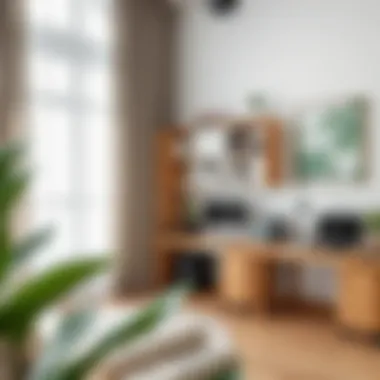

Built-in shelves and cabinets provide a seamless solution for maximizing storage without consuming too much floor space. They can be customized to fit any area, transforming awkward corners into functional storage hubs. This type of storage offers several advantages:
- Customization: Tailoring the design to your specific needs allows you to allocate space effectively for books, files, and equipment.
- Aesthetics: Properly designed built-ins enhance the overall look of the office, making it a more inviting and professional atmosphere.
- Increased Home Value: High-quality built-in storage can be a great selling point for potential buyers down the line.
It’s essential to choose materials that fit your office style and to configure the shelves for accessibility.
Freestanding Units
Freestanding units, such as bookshelves and storage cabinets, offer a flexible storage solution that can be moved around as your needs evolve. These pieces are particularly useful for:
- Affordability: Often more budget-friendly than built-ins, they provide storage without a hefty price tag.
- Versatility: Can be used in multiple locations, not just in the home office, allowing for a multi-functional approach.
- Variety: Available in various styles and finishes, you can easily find a piece that complements your decor.
However, it's worth noting that while they are flexible, they can occupy valuable space, so it’s crucial to position them wisely relative to your seating and work areas.
Desk Organizers
Desk organizers are often the unsung heroes of efficient home offices. These small storage solutions are crucial for keeping essential items within arm's reach while minimizing clutter. Here are some benefits:
- Accessibility: Everything you need is readily available, reducing the time spent searching for items.
- Minimalist Appeal: By keeping the desk surface tidy, you create a calm working environment that can help lower stress levels.
- Variety: From drawer dividers to desktop trays, there are countless designs to suit your taste and organizational style.
It's recommended to regularly assess what items need quick access and to adjust your organizers accordingly.
Mobile Storage Solutions
Mobile storage solutions, like rolling carts or wheeled file cabinets, enhance flexibility in home offices. This kind of storage allows you to:
- Flexibility: Easily shift items from one area to another as needed, which is particularly useful for those with dynamic workloads.
- Space Optimization: Utilize otherwise unused spaces, as these can be stored away when not in use.
- Additional Work Surface: Many mobile carts can serve as extra work surfaces, making them doubly functional.
However, it’s important to ensure that they’re sturdy and can safely hold the items you plan to store.
In summary, effectively choosing storage solutions tailored to your home office needs can significantly improve your work environment and productivity. Assess your current setup, consider your workflow, and explore how these various storage options can be used to create a more organized and efficient space.
Designing for Functionality: Key Considerations
Creating a home office that marries aesthetics with practicality requires thoughtful design considerations. It's essential to understand that every element in your workspace plays a role in enhancing or hindering your productivity. Focusing on functional design allows you to cultivate an environment that supports your work habits while reflecting your style. Key aspects include material selection, color schemes that inspire creativity, and ergonomic considerations that prioritize comfort and health.
Choosing the Right Materials
The materials you select for storage solutions can significantly impact both the appearance and usability of your home office. High-quality materials, such as solid wood or durable metal, lend an air of sophistication and can withstand the wear and tear of everyday use. On the other hand, opting for cheaper synthetic materials may save a few bucks initially but can soon look shabby and require replacement.
Also, consider the finish of these materials. Matte finishes, for example, can evoke a more modern feel, while glossy surfaces might create a classic aesthetic. The goal should be to happy medium that encapsulates both practicality and visual appeal. It helps to choose materials that are easy to clean; after all, a workspace should look inviting rather than chaotic.
"The right materials not only elevate the visual setting but also enhance the overall functioning of the workspace."
Color and Aesthetics
Color plays a vital role in any workspace. It can influence mood, creativity, and even productivity. Bright colors, like yellows or blues, may inspire energy, while softer tones like greens or neutrals can induce calmness. Think about what hues best resonate with you and how they might cultivate the work environment you're striving for.
Aside from personal preference, also consider the lighting. Natural light can affect how colors appear; a shade that looks great under artificial light might clash with the sun's tones. Ensuring a cohesive color palette not only enhances visual interest but also unites various storage pieces into a coherent system.
Ergonomics in Storage Design
Ergonomics may not be the first thought that comes to mind when designing for functionality, yet it is often the unsung hero of a well-organized workspace. Storing items at appropriate heights, for example, reduces strain on your back and neck. Make use of adjustable shelving systems to accommodate varying heights and keep frequently accessed items within easy reach.
Incorporating ergonomic storage solutions also extends beyond just physical comfort; it includes mental well-being. A thoughtfully arranged space that minimizes clutter and fosters efficiency can reduce stress levels. The less time you spend hunting for supplies or important documents, the more time you can dedicate to your work.
Taking these key considerations into account will allow you to create a home office that not only fuels efficiency but also harnesses your personal style. The right combinations of materials, color, and ergonomics can turn a mundane workspace into a sanctuary that reflects and elevates your professional journey.
Maximizing Vertical Space
Maximizing vertical space is crucial for any home office aiming for efficiency and order. When you're confined to a limited square footage, like many home offices are, utilizing the vertical plane often becomes the key to unlocking a more organized and functional workspace. Vertical space not only helps reduce clutter on your desk and floor but also allows you to create an illusion of a bigger area. This approach can make your workspace feel less cramped and encourage a more focused mindset, as everything has its designated space.
Wall-mounted Solutions
Wall-mounted solutions provide a fantastic way of utilizing vertical space without sacrificing floor area. Think of floating shelves, pegboards, or wall organizers that can store items without encroaching on your movement. By fastening storage to your walls, you free up that precious floor real estate, which can be paramount in small spaces.
When considering wall-mounted options, choose materials that not only match your office aesthetics but also provide the strength needed for the items you plan to store. Floating shelves, for example, work wonders in holding books or decorative items. Meanwhile, pegboards can be versatile, allowing you to hang tools, office supplies, or even plants.
Here are a few benefits of using wall-mounted solutions:
- Increased Accessibility: Items are easily within reach yet organized in a visually appealing way.
- Enhanced Organization: With designated spaces for different items, clutter is significantly reduced.
- Personalization: These solutions allow you to express your style by arranging the layout as you prefer.
"Maximizing vertical space is not just about storing more; it’s about creating a harmonious workspace that fosters productivity and creativity."
Utilizing Overhead Storage
Overhead storage is another effective method to optimize vertical space, particularly for those who wish to maintain a clear desk while having quick access to frequently used items. Solutions like overhead cabinets or ceiling-mounted bins can keep essential items within arm's reach, yet out of the way.
This type of storage works especially well for keeping seasonal supplies or documents that aren’t necessary every day. By placing these items in overhead storage, you essentially minimize the chaos that can accumulate on your desk. Consider the following points when implementing overhead storage:
- Safety: Ensure that any overhead storage does not pose a risk of falling, particularly if heavy items are being stored.
- Easy Access: Use lifts or step stools if necessary, and ensure that you can reach these areas comfortably.
- Visibility: Transparent containers can help you quickly identify contents without needing to dig through layers.
Incorporating overhead solutions into your home office can also contribute to your overall design. A well-placed set of cabinets can provide a sleek look while hiding away less appealing items. Choose colors or finishes that seamlessly blend with your overall office decor.
Incorporating Multi-functional Furniture
In an era where space is often at a premium, especially in home offices, the necessity for multi-functional furniture has soared. The thought behind this concept is quite simple: a single piece of furniture should serve multiple purposes. This not only maximizes the utility of your space but also enhances the overall design aesthetic of your workspace.
When designing your home office, consider the flexibility of furniture choices. For example, a desk that doubles as a storage unit can help keep your workspace organized without needing additional storage solutions. Embracing this strategy can lead to more efficient use of both floor space and your budget, as you might find you need fewer pieces of furniture. It’s about considering what each item does—can it serve two roles instead of just one? This thought process allows for creativity tailored to your specific needs.

Desks with Integrated Storage
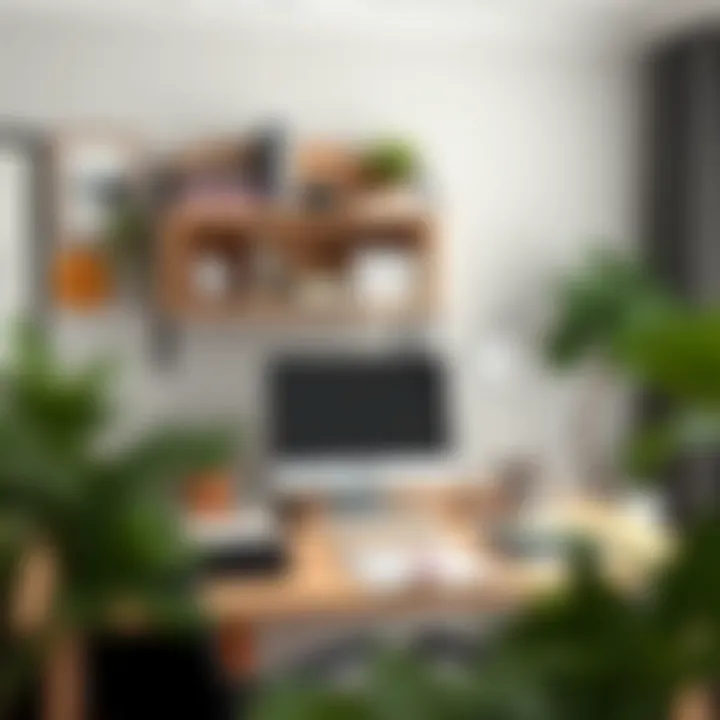
A desk with integrated storage can be a game-changer in a home office. Rather than being merely a surface to work on, desks that come with built-in drawers or shelves allow for a seamless way to organize documents, stationery, and other essential items. This setup minimizes clutter, providing a cleaner and more inviting workspace. Think about a desk that features a hutch on top; this can house books or decorative pieces while keeping the surface clear for your work items.
When considering these desks, ask yourself the following:
- What do you need to store? Identify your most frequently used materials; the goal is to make them easily accessible.
- Is the storage space adequate? Ensure that the design offers sufficient capacity for your items without compromising desk functionality.
- How does it fit into your aesthetic? A desk should not only be practical but also complement the overall style of your office. Choose materials and colors that resonate with you.
"A well-organized workspace begins with the right furniture. Choose wisely to create an efficient environment."
Storage Ottomans and Benches
Another brilliant choice for home office storage is the versatile storage ottoman or bench. These pieces are often overlooked, yet they can serve dual functions. While providing seating, they also offer valuable storage for office supplies or even files, acting as a discreet solution for hiding away items that clutter your space.
Consider placing a storage ottoman by your desk or in a corner of the room. It provides not just a place to rest your feet, but also a handy spot to stow away things like books, chargers, or even out-of-season decorations, allowing for quick access when needed.
The good news is that these ottomans come in various sizes and styles. Finding one that matches your decor while fitting into your layout shouldn’t be too hard. You might want to look for:
- Durability and maintenance: Select high-quality materials—something that can withstand daily use and is easy to clean.
- Visual appeal: Bold colors or patterns can make a statement, whereas subtle tones can blend in seamlessly.
- Functionality: Ensure they are easy to open and that they provide ample storage space without being cumbersome.
Selecting the right kind of multi-functional furniture for your home office isn't just about saving space; it’s about optimizing that space for your individual workflow and style. When you create a balance between utility and aesthetics, you foster an environment that not only looks great but works effectively for your needs.
Creating a Workflow with Storage Solutions
Creating an efficient workflow in a home office is not just about having enough desk space. It's about developing a structured method of organizing your tasks and materials that enhances productivity and reduces the mental load associated with disorganization. With the myriad of distractions that come from working at home, an optimized workflow dictates how smoothly one can transition from task to task.
Key Considerations
To create an effective workflow, it’s crucial to understand the nature of your work. Are you frequently scanning documents? Do you often juggle several projects at once? Pinpointing your specific workflow needs allows for tailored storage solutions that truly work for you. When thoughtfully arranged, storage can act as a guiding hand, seamlessly directing you from one task to another without much fuss.
An organized workspace speaks volumes. When everything has its place, searching for supplies or documents becomes a quick endeavor instead of a treasure hunt. Clutter has a way of clouding judgment and slowing down processes, making it vital to create a system that minimizes such distractions. Incorporating effective storage solutions can serve as a significant step towards a more streamlined operation.
Organizing Documents and Supplies
Organizing documents and supplies can be the linchpin of a contemplative workflow. Without a systematic way of managing paperwork, you risk drowning in a sea of disarray. Implementing a file management system can keep pertinent materials close at hand. Here are a few strategies to consider:
- Categorize: Start by grouping documents based on their purpose, project, or urgency. Have folders or binders ready to separate ongoing projects from completed ones.
- Label: Using clear and concise labels prevents confusion. Imagine the moment you reach for a contract, only to find it buried under a pile of unrelated papers. Labels can save you from such headaches.
- Digital Solutions: Consider scanning important documents and storing them electronically. This method not only reduces physical clutter but also allows for easy retrieval through keyword searches.
- Dedicated Stations: Set up specific areas for different supplies or tasks. For example, a corner for printing and scanning, another for writing, and so forth. This zoning helps in maintaining order and affording a systematic approach to your tasks.
By designing a storage system that reflects the nuances of your workflow, you enable yourself to focus on more critical tasks rather than the mess around.
Planning for Future Needs
When setting up an effective storage solution, it's essential to look beyond immediate requirements. Planning for potential growth can save you from future headaches. Whether you expect to take on more clients or tackle larger projects, having a foresight into your storage needs will be invaluable. Here’s how you might approach this:
- Scalable Solutions: Choose modular storage that can expand when necessary. Open shelves and adjustable cabinets can grow with your needs.
- Flexibility: Maintaining a system that allows you to reconfigure your space easily will serve you well. Consider mobile carts or rolling storage if you frequently change tasks or projects.
- Anticipate Shifts: Be aware of industry trends that may influence the volume or type of work you will do. As trends shift—like remote collaborations becoming more prevalent—so too will your need for specific storage formats.
- Regular Reviews: Schedule time to reassess your organizational needs. Monthly or quarterly reflections can help highlight what is working or what may need adapting as the nature of your work evolves.
Creating a workflow that accounts for both present needs and future expansions fosters an environment that is not only functional but also adaptable—an invaluable feature in today’s fast-paced work world.
Efficient organization isn’t just about how you stack things up. It’s about how you prepare for what’s next while mastering the present.
Maintaining an Organized Home Office Space
An organized home office isn't just a space that's neat and clean; it's about creating an environment that fosters productivity and reduces stress. The benefits of keeping your workspace in tip-top shape are manifold. It can lead to clearer thinking, sharpen your focus, and ultimately, boost your overall efficiency. You'll be surprised at how a tidy desk can serve as a blank canvas for innovation and creativity. When clutter creeps in, it doesn’t just hide important items; it clouds your mind, making it tough to concentrate on the work that truly matters.
Regular Decluttering Practices
Decluttering is not a one-off event but a habit that can reshape how you perceive and utilize your home office. Think of clutter as a snowball; it starts small but can quickly grow into a mountain, suffocating your productivity. To combat this, develop a regular decluttering routine. Setting aside just fifteen minutes a week can do wonders. Evaluate drawers, shelves, and surfaces for items that no longer serve a purpose. Discard what you don't need while organizing the things you must keep.
Employ practical methods to make decluttering manageable. You might consider the four-box method: keep, donate, trash, and relocate. This approach provides clear categories, reducing the mental load when faced with a pile of papers or miscellaneous supplies. Additionally, when tackling documents, leverage digital storage solutions—scanning and saving files online can free up physical space and lessen paper clutter significantly.
Creating a Maintenance Schedule
A maintenance schedule is another pivotal aspect of ensuring your organized space remains that way. Just like scheduled appointments, it keeps you accountable for keeping your workspace under control. Start by outlining a monthly calendar where tasks are assigned specific days. For example, one week you might focus on organizing your desk, while the next could target your filing system. This will not only streamline your responsibilities but also make the effort feel less overwhelming.
Incorporating small daily practices, such as taking five minutes at the end of the day to tidy up, can keep chaos at bay. You’ll likely find that establishing a routine creates a sense of predictability and control. With the right habits, you can create an environment that's not just functional but also reflective of your personal style, harmonizing aesthetics with efficiency.
To ensure you stay on track, use reminders or apps tailored for task management. This could be a simple to-do list app on your phone or a more robust project management tool. The goal here is consistency; after all, a well-maintained office is often synonymous with a clear mind and heightened productivity.
“An organized workspace leads to an organized mind.”
In wrapping it all up, maintaining an organized home office isn't merely about aesthetics; it's about cultivating productivity and peace of mind. The strategies of regular decluttering and adhering to a maintenance schedule provide the framework you need for an efficient workspace. By investing time into these practices, you're also investing in your focus, creativity, and ultimately, your success.
For more tips on organization and creating an effective workspace, you might find these resources helpful:
Sustainable Storage Solutions
In today’s world, the consideration of sustainable storage solutions in your home office is not just a trend but a necessity. Opting for eco-friendly options can significantly minimize your environmental footprint while also enhancing the functionality and aesthetic appeal of your workspace. By focusing on sustainable practices, you not only contribute to a healthier planet but also create an efficient and thoughtful environment tailored to your needs.
Embracing sustainable storage involves several key elements. First off, materials matter. Many traditional materials come with a hefty carbon footprint. Switching to eco-friendly options can provide benefits both for the earth and your office's appearance. Choosing sustainable storage is about considering both the materials and the methods that align with an environmentally conscious mindset.
Here are some benefits to think about:
- Reduced Environmental Impact: By selecting materials that are recyclable or sustainably sourced, you limit waste and conserve resources.
- Healthier Air Quality: Many conventional products contain VOCs (volatile organic compounds) which can degrade air quality. Eco-friendly materials often avoid these chemicals, benefiting your health.
- Longevity: Often, eco-friendly furniture is made with quality materials, which can last longer, saving you money in the long run.
As you ponder the best practices, consider the unique nature of your workspace and how you can integrate sustainability effectively in every item you choose.
Choosing Eco-friendly Materials
When it comes to choosing eco-friendly materials, there's a variety of options that can elevate your home office's sustainability quotient. It's not just about picking the first “green” label you see; it's about making informed choices that stand the test of time.
- Reclaimed wood can serve as not just shelves, but also as a conversation starter. Its unique character adds charm, while its reduced processing means it’s lighter on the environment.
- Bamboo is a rapidly renewable resource that sturdily supports shelves or cabinets without demanding much in terms of energy and resources.
- Recycled metal or glass** also makes for durable and stylish options.
Of course, it’s crucial to look beyond just the aesthetics. Always check certifications like the Forest Stewardship Council (FSC) to ensure that your material choices support sustainable practices. And remember, it's often about quality over quantity when investing in eco-friendly options.
Repurposing Existing Furniture
One of the most sustainable choices for your home office is to repurpose what you already own. Before you dash out to buy new items, take a good look at your existing furniture. You might just find hidden gems that can be reinvented in a new, functional way.
- Old bookshelves can be transformed into filing stations with a lick of paint and some new hardware. Consider using colorful fabric boxes to keep files organized and easy to access.
- An unused dresser could be turned into a storage workstation. Remove some of the top drawers, add a tape measure to create a workspace, and voilà! You have a uniquely functional desk.
- Suitcases or wooden crates can provide stylish storage options while also serving as decor or side tables.
In doing this, you’re not just reducing waste; you’re creating your own functional art. This practice aligns with both eco-friendly objectives and a personal touch, making your workspace distinctly yours.
"Creativity is intelligence having fun."
This proverb encapsulates the spirit of reimagining what already exists, encouraging you to look at storage solutions as an opportunity to express yourself while being mindful of the resources.
In summary, integrating sustainable storage solutions into your home office doesn’t have to feel daunting. With a little creativity and effort, you can make a real difference, leading to a workspace that's not just organized but also aligned with your values. As you carve out your office space, remember sustainability and aesthetics can indeed walk hand in hand.
Tips for Small Home Offices
Creating an efficient home office in a limited space may feel like fitting a square peg in a round hole, but with the right strategies, it can be accomplished seamlessly. Tips for small home offices are crucial in this article since many people today work from home and often face challenges due to tight quarters. By implementing effective organization methods, you can transform even the most cramped of spaces into a productive and comfortable environment. It's not just about having enough room; it's about making the most of what you've got.
Space-saving Strategies
When it comes to small spaces, every inch counts. Therefore, space-saving strategies should be at the forefront of your planning. Here are some practical tips to consider:
- Multi-purpose furniture: Look for items that serve more than one function. For instance, a desk that doubles as a bookshelf saves you the hassle of cramming in additional pieces of furniture.
- Vertical organizing: Think high instead of wide. Use wall-mounted shelves or pegboards. This not only keeps the floor clear, but it also gives you easy access to your materials without cluttering your view.
- Hidden storage: Utilize furniture with concealed compartments. This could be a cabinet that can store files and folders while keeping them out of sight—neatly tucked away.
- Foldable desks and chairs: If you need occasional seating or desk space, look into foldable options. When not in use, they can be easily tucked away, generating extra room.
Utilizing these strategies allows you to preserve a sense of spaciousness while still enjoying a fully functional workspace.
Lightweight and Portable Options
Flexibility is a game-changer in small home offices. Lightweight and portable options enhance your ability to adapt your workspace to meet changing needs. Consider these elements:
- Mobile workstations: A rolling cart with necessary supplies lets you shift your workspace as your tasks and focus change throughout the day.
- Compact office chairs: Look for ergonomic chairs that are not only stylish but also light enough to move easily as needed. You don’t want to be dragging a 50-pound chair every time you shift your position.
- Portable storage bins: Opt for bins that can be swiftly relocated. They’re perfect for when you need to quickly change your workspace from a home office to a family area without losing vital supplies.
- Slimline desks: Consider a slim desk that fits snugly against a wall or into a corner. This can be paired with lightweight items to keep your area unfettered.
By investing in lightweight and portable options, you're enhancing your adaptability. This is especially important in a limited space where comfort and practicality must dance harmoniously.
Remember, a small home office doesn't mean sacrificing style or functionality—it's all about thoughtful choices and planning.
By weaving these space-saving and portable ideas into your home office setup, you're not just maximizing your efficiency; you're also crafting an environment that reflects your personal flair while accommodating your daily needs. Small adjustments can lead to significant improvements in performance and satisfaction.
Building a Personal Style in Storage Design
The way you organize your storage can say a lot about you as an individual. When it comes to your home office, the concept of personal style might just be the cherry on top of the typical efficiency mix. It’s not just about putting stuff away; it’s about creating an environment where you feel comfortable and inspired. Integrating your touch into storage solutions can have a profound impact on your motivation and overall work experience.
A personal style in storage design reflects how you see yourself and your work. It's a physical manifestation of your preferences and ideals. Imagine walking into your office and being greeted by a setup that resonates with your aesthetic – that can make all the difference. Choosing storage solutions that speak to your personal taste can contribute significantly to maintaining a positive work-life balance. Satisfaction with one’s working environment breeds productivity; therefore, it's essential to find the right blend between personality and practicality.
Reflecting Personality through Storage
Storage pieces can serve more than just their functional purpose. They can become crucial elements of your office's character. Think about colors, shapes, and materials – each choice can tell a story about who you are. If your style leans more toward vintage, perhaps a rustic wooden cabinet with wrought iron accents could fit the bill. If modern is what you're after, sleek, minimalistic designs offer a tidy and sophisticated feel.
Aside from aesthetics, there are ways to reflect personality through functional storage solutions:
- Unique Shapes: Non-traditional forms can excite creativity. Try asymmetrical shelves or geometric storage bins.
- Customizable Features: Modular shelving allows you to arrange pieces in a way that feels right to you.
- Artwork Utilization: Storage items can double as canvases for art. Shelves can showcase art prints, while bookcases can display collectibles.
- Personal Touches: Adding personal items, such as framed photos or heirlooms, to your storage solutions helps create a sense of belonging.
"The right storage isn't just practical; it also speaks to who you are and how you think."
Balancing Function and Aesthetics
While expressing your personal style in storage, one mustn't forget about the core reason behind storage: its functional value. It’s essential to strike a balance between looking good and being practical. A beautifully designed shelf that doesn’t hold up books isn’t worth the effort.
Here are some key considerations:
- Storage Capacity: Before becoming entranced by the aesthetics, ensure that the solution can accommodate what you need. Functional storage can look good too.
- Accessibility: Style should not compromise the ability to easily reach and retrieve items. The best designs integrate ready access with visual appeal.
- Material Choices: Choose materials that complement your vibe but also stand the test of time. Heavy-duty materials, while perhaps less glamorous, can be much more beneficial in the long run.
- Color and Light: When determining colors, think about how they fit in with the overall ambiance. Light colors can make a small space feel bigger, while bold hues can provide delightful focal points.
Focusing on a mix of beauty and usability not only enhances your workspace but makes it genuinely pleasant to spend time in it. That's truly the sweet spot you’re looking for.
Innovations in Home Office Storage
In today's rapidly changing work environments, it's no surprise that innovations in home office storage have become a hot topic. Given the increase in remote work, the need for efficient and effective storage solutions has never been greater. But it's not just about squeezing more shelves into a tight corner or stacking boxes high; it’s about how smart, innovative storage can transform your workspace into a productivity powerhouse.
The incorporation of cutting-edge technology and design principles into storage solutions brings forth a myriad of benefits. For starters, these innovations often prioritize ease of use. Smart storage solutions may include features like automated shelving where you can with a voice command grab the document you need. Imagine simply telling your device, "show me files from the last quarter", and voilà, right out pops your neatly organized folder. This integration of tech controls directly into your organizational system saves not just time, but mental energy, allowing you to focus on your work rather than rummaging through piles of papers.
Equally vital is the consideration towards aesthetics that many new storage models offer. They seamlessly blend into the design of a modern home office. The days of clunky, uninspired cabinets are fading as sleek, stylish units take their place. This visual appeal can enhance the overall environment, making it not only a functional space but also one that is inspiring to work in.
Moreover, these innovations typically emphasize modular designs, allowing customization according to personal needs. Adjustable shelves or flexible drawer configurations mean you’re in control here, and with a simple rearrangement, a setup can evolve as your needs do. This adaptability is crucial as we all know that priorities and workspace requirements can shift, particularly in a home office setting.
When making decisions on storage innovation, here are key considerations:
- Space Efficiency: Consider how new products help streamline or utilize space better.
- User-Centric Design: Does it cater to the user’s workflow? A design should facilitate easy access to frequently-used items.
- Durability: Ensure that materials used are robust and long-lasting, providing reliability for most home office needs.
- Technological Integration: Look for smart technology features that complement your daily work tasks.
"Innovative storage solutions not only bring order but also elevate the aesthetic of your workspace, marrying functionality with elegance."
Staying on top of trends in home office storage can set you apart from the typical setup, refining your workspace into a realm that echoes clearly both organization skills and modern tastes.
Smart Technology in Storage Solutions
The introduction of smart technology in storage solutions is a game changer in maximizing efficiency and enhancing organization. These solutions have evolved from basic functionality to intricate systems that think and react. Sensors and automatic organization mechanisms are now at your fingertips, providing a fresh perspective on how we interact with storage.
For example, consider smart filing systems that use cloud integration, allowing for documents to be stored digitally. Instead of stacks of physical papers, you can access files from your smartphone or tablet, even when you're miles away from your home office. This convenience also reduces the physical clutter while ensuring that workplace tools remain easy to find.
Some modern storage systems even have temperature and humidity controls, which is beneficial if you store sensitive materials that require specific conditions. Imagine a climate-controlled cabinet for your artwork or important documents—it elevates the need for careful safeguarding.
Lastly, smart technology can also help maintain your efficiency. Some systems are integrated with software that tracks which items are used most often, allowing you to reconfigure your setup based on usability rather than a one-size-fits-all approach. This adaptive functionality not only streamlines workflows but can also keep your home office looking sharp and organized.
In summary, embracing innovations in home office storage—especially those driven by smart technology—can profoundly impact your work processes. Harnessing these advancements can lead to a workspace that is not only cleaner and more functional but also a reflection of one's professional prowess.