Hall Wall Mirrors: Transforming Entryways and Corridors


Intro
Hall wall mirrors do more than just offer a quick reflection before you dash out the door. They can truly transform the look and feel of a space. Whether it’s a narrow hallway or a spacious entryway, incorporating mirrors can enhance the visual dynamics and functionality of your home décor. This article takes a dive into how these reflective surfaces work, from selecting the right mirror to making sure it harmonizes with your overall design ethos.
In this guide, you'll find insights on various aspects of hall mirrors that can elevate your interiors. We’ll cover furniture selection, explore design inspiration, and discuss maintenance that keeps your mirrors in tip-top shape. Buckle up and see how a simple piece can really shift the energy of a shared space!
Furniture Selection
When it comes to hall wall mirrors, selecting the right furniture is a crucial step. Mirrors should complement the existing décor while also serving their purpose — both practical and aesthetic.
Choosing the Right Material
Choosing the right material for your hall wall mirror starts with understanding how it can affect the ambience. For instance, wooden frames can add a touch of warmth and coziness, perfect for homes with rustic or traditional themes. A sleek metal frame, on the other hand, might suit a modern or industrial vibe perfectly, giving your mirror a polished look. Pay attention to the materials used not just in the frame but also the reflective surface. Glass mirrors are classic, but acrylic can be a lightweight alternative, especially in households with kids or pets.
- Wood: Great for a warm, inviting feel.
- Metal: Sleek and modern, ideal for minimalistic décor.
- Acrylic: Lightweight and more kid-friendly, suitable for varied décor.
Understanding Size and Space Requirements
Before purchasing a mirror, it’s essential to consider the space it will inhabit. A large mirror can work wonders in a tight hallway, creating an illusion of space and dimension. But a small mirror, strategically placed, can also serve as a focal point without crowding the area. Measure the available wall space to ensure that your choice isn’t too overwhelming or too diminutive for the setting. The goal is to strike a balance.
"A mirror should reflect not just the image but the essence of the home."
- Large mirrors can significantly increase light and space perception.
- Smaller mirrors are better for tight corners or to complement other wall decorations.
Design Inspiration
Once the materials and sizing are clear, let’s shift our focus to design inspiration. Finding the right aesthetics will ensure your hall mirrors are not just functional, but also captivating elements of your overall home décor.
Trending Styles and Themes
Among current trends, you can spot a mix of vintage and modern styling. For instance, geometric shapes or asymmetrical designs can inject a contemporary flair into your hallway. Meanwhile, ornate frames echo the elegance of classic interiors. It’s also common to see a collection of smaller mirrors organized together, creating a gallery wall effect that offers a playful twist.
- Vintage: Ornate and intricate frames capture timeless sophistication.
- Modern: Clean lines and geometric patterns offer an edgy touch.
- Gallery Walls: A mix of various mirror shapes can tell a unique story.
Color Schemes and Aesthetic Integration
Mirrors need to blend in smoothly with color schemes of the hallway. Consider the dominant hues in your space; will the mirror frame pop or blend in? Soft tones can create a relaxed atmosphere, while bold colors can provide an energetic vibe. Integrating color also means thinking about wall paint and other furnishings, ensuring that everything feels connected.
- Soft pastels for a calming environment.
- Bold colors for a vibrant statement.
By carefully curating your choices around these elements, you can turn a simple hall wall mirror into a centerpiece that enhances both space and aesthetics.
As you navigate through the world of mirrors, remember that the ultimate goal is to create an inviting ambience that reflects your persona and taste. Happy decorating!
Understanding Hall Wall Mirrors
In the world of interior design, hall wall mirrors are more than mere decorative items; they serve multifaceted roles that enhance both functionality and aesthetics within a home. By understanding the importance of these mirrors, homeowners and designers can make more informed choices that lead to a more inviting and visually appealing environment.
Definition and Purpose
Hall wall mirrors reflect not just our images, but also broader aspects of design. These mirrors are particularly designed to be hung in hallways, entryways, or corridors, acting as focal points that can alter the perception of space. They can make narrow hallways seem wider and dark corners appear brighter. In many cases, a strategically placed mirror can also help to visually connect different areas of a home, providing a seamless flow that enhances the overall ambiance. Their purpose transcends basic functionality; they are effective tools that can frame architectural features or artwork, drawing attention to specific elements within a room or hallway.
Moreover, these mirrors often come with storage options or shelves incorporated into their design, adding practical value while maintaining visual appeal. Homeowners may select mirrors that are not only large but also uniquely shaped, creating artistic displays that serve as conversation starters.
Historical Context
The concept of using mirrors in design is not new; it stretches back centuries and has evolved significantly over time. In ancient cultures, mirrors were often crafted from polished stones or metals, like obsidian or bronze. The Egyptians, for instance, used polished metal mirrors in their daily lives, associating them with luxury and beauty. As time marched on, glass became the primary material for mirrors, and by the Renaissance period, elaborate mirror designs adorned the palaces of Europe, reflecting both opulence and artistry.
By the 18th century, mirrors reached a new level of sophistication, especially in France, where decorative mirrors were used to craft magnificent interiors that played with light and perspective. These mirrors not only reflected images but also enhanced the spatial experience of the rooms they occupied.
In more recent times, the utilization of mirrors in entryways and halls took on a functional role, contributing to the overall ambiance of homes in a practical way. As urban living has grown, so has the significance of mirrors as effective solutions to modern space challenges. Nowadays, hall wall mirrors incorporate a mix of historical elegance and contemporary designs, serving as a canvas for personal expression and style.
"Mirrors are the eyes of the hallway, reflecting not just light but also personality and character."
The Impact of Mirrors on Space Perception
The role of mirrors in shaping how we perceive space cannot be overstated. When it comes to home décor, especially in hallways and entryways, mirrors are not just functional items but transformative pieces that influence a room's perception. They expand visual confines, inviting an illusion of grandeur that might otherwise be absent. Understanding this impact enables homeowners, interior designers, and DIY enthusiasts to utilize mirrors strategically, enhancing both aesthetics and functionality within limited spaces.
Illusion of Space

Mirrors possess an uncanny ability to create the illusion of more space. Imagine being in a narrow corridor, the walls closing in and making one feel confined. A well-placed mirror can work wonders by visually doubling the space. This psychological trick of expanding room dimensions gives an airy feel, making the environment less claustrophobic.
- Placement is Key: The positioning of the mirror greatly influences its effectiveness. For instance, placing a mirror directly across from an entrance or at the end of a hallway not only draws the eye but can also reflect additional light from windows, further enhancing the illusion of openness.
- Avoiding Disorienting Reflections: While it’s tempting to fill every nook with mirrors, too many can create a confusing space. Controlled placement, with an emphasis on focal points, can lead to a well-balanced aesthetic that harmonizes with the overall design.
When you design with this principle in mind, you create an experience where every glance feels spacious and inviting, rather than overwhelming and cluttered.
Light Reflection and Enhancement
Another remarkable aspect of mirrors is their capacity to enhance light in a space. Light, whether natural or artificial, can be manipulated through reflective surfaces to create a mood or ambiance that resonates with the design intent.
- Maximizing Daylight: In dimly lit hallways where windows are scarce, mirrors can act as reflectors of natural light. This not only brightens the area but also fosters a warm and welcoming atmosphere. Positioning mirrors adjacent to windows can capture and amplify the incoming sunlight, which in turn can have a significant effect on the overall feel of the space.
- Mood Setting with Artificial Light: Mirrors work effectively with lighting fixtures, too. Strategically placed, they can multiply the effect of chandelier glow or the warm hue from table lamps, crafting a cozy and inviting space. Consider using mirrors with a slight bevel or decorative trims that catch the light uniquely, ushering in a touch of elegance.
"Mirrors enhance not just physical space but bring vibrancy into an area, making spaces feel alive and connected."
When the reflective qualities of mirrors are harnessed properly, the results are eye-catching and impactful. They become essential tools in design, elevating both the aesthetic and psychological experience of any space.
By carefully considering how mirrors influence space perception, you can turn even the most modest hallways into inviting areas that captivate and please.
Selection Criteria for Hall Wall Mirrors
Selecting the right hall wall mirror is not merely about aesthetics; it plays a crucial role in enhancing the overall feel and functionality of your space. When considering a mirror for your hall or entryway, several key elements come into play which can make or break the visual harmony and utility of the area. Here, we explore essential selection criteria that encompass size, shape, frame styles, and materials.
Size Considerations
The size of the mirror is arguably one of the most critical factors to consider when selecting a hall wall mirror. A mirror that's too small can easily get lost on a wall, leaving the space feeling unbalanced and incomplete. Conversely, an oversized mirror can dominate the room, overshadowing other elements and possibly creating an overwhelming impression.
- Proportionality: The mirror should complement the dimensions of the wall it is hung on. If you have a tall, narrow hallway, a vertically elongated mirror tends to work best, creating the illusion of height. In wider areas, a broader mirror can help to fill the space effectively without making it feel cramped.
- Focal Point: Larger mirrors can serve as a focal point in an entryway, drawing the eye and inviting guests to glance at their reflection as they enter. This can also contribute to a sense of openness, making the hall feel lighter and more welcoming.
Shape Variability
Shapes of mirrors can significantly impact the stylistic expression of your hall. Here are a few common shapes, along with their effects:
- Rectangular Mirrors: These tend to be the most versatile and can align easily with the lines of a hallway, enhancing the linearity of the space.
- Round Mirrors: Often used to soften a space, round mirrors can add a touch of elegance and are fantastic for blending sharp angles of furniture or walls.
- Irregular Shapes: Designing with mirrors that feature unique, artistic forms can be a bold choice, making a statement that speaks to personal taste and creativity. These can serve as objets d'art rather than just functional pieces.
Frame Styles and Materials
When it comes to frames, the style and material can make a world of difference in how the mirror fits into your overall design scheme.
- Wooden Frames: Offering a rustic or warm feel, wooden frames are great for achieving a cozy atmosphere. Opt for reclaimed wood for a more environmentally friendly touch.
- Metal Frames: Sleek metal frames can lend a modern or industrial vibe, while maintaining a chic appearance. Consider finishes like brass, black iron, or polished chrome.
- Frameless Mirrors: Providing a minimalist look, frameless options focus attention on the reflection rather than the surrounding decor, making them perfect for contemporary settings.
To sum it up, the careful consideration of size, shape, and frame style is imperative when selecting hall wall mirrors. Each element contributes not only to the functionality of a space but also to its aesthetic appeal, allowing the mirror to act as both a practical tool and a piece of art. By keeping these criteria in mind, homeowners, interior designers, and DIY enthusiasts can create visually engaging environments that resonate with personal style and enhance the livability of their spaces.
Aesthetic Considerations for Interior Design
The role of a hall wall mirror transcends mere functionality; it's crucial in shaping the aesthetic narrative of an interior space. Selecting the right mirror isn’t just about its reflective quality; it involves a keen understanding of how it interacts with the surrounding decor. Mirrors can serve as focal points or complementary elements that enhance the overall design. This article explores the aesthetics associated with hall wall mirrors, emphasizing alignment with design themes and color schemes.
Aligning with Design Themes
When it comes to aligning hall wall mirrors with an overarching design theme, coherence is essential. Each mirror should harmonize with the existing elements within the entryway or hallway. For instance, if the theme revolves around modern minimalism, mirrors with sleek lines and uncomplicated frames might integrate effortlessly into the space. In contrast, for a vintage or rustic theme, a mirror with intricate woodwork or a distressed finish would complement the ambiance beautifully.
Consider the following:
- Rustic Styles: Look for mirrors with wooden frames or distressed finishes that echo a farmhouse vibe.
- Contemporary Spaces: Opt for frameless designs or those with metallic finishes that scream chic and modern.
- Art Deco: A bold, geometrically patterned mirror can serve as a stunning statement piece, invoking the glamour of the 1920s.
By considering the broader design theme when selecting a mirror, homeowners and designers can create a more cohesive environment that speaks to personal style and invites warmth and character into the details of everyday space.
Complementary Color Schemes
The colors of a space can affect mood and perception, highlighting the importance of selecting a mirror that complements existing hues. A well-placed mirror not only reflects light but can also enhance or contrast colors in a hallway, creating depth and interest.
- Neutral Tones: For a space painted in soft grays or beiges, a mirror with a silver or gold frame subtly enhances the warm and cool hues without overwhelming the senses.
- Bold Colors: In a vibrant environment, consider a mirror with colorful frames that either match an accent color or provide a contrasting pop. A cobalt blue frame might add intrigue against a sunny yellow wall.
- Monochromatic Settings: If your hallway uses a strict monochromatic palette, mirrors with varied textures—like a matte black frame against a glossy wall—can introduce an exciting interplay while staying true to a unified color scheme.
Utilizing mirrors to reflect and enhance color dynamics fosters an enriched visual experience, making the most mundane spots—like hallways and entryways—feel alive and immersive.
"Mirrors don’t just reflect our physical appearance, they invite us to see beyond the surface into the beauty of our surroundings."
In summary, understanding aesthetic considerations like design themes and color schemes is integral to effectively integrating hall wall mirrors into your living space. With thoughtful selection, mirrors can elevate interiors, making them not just places we pass through, but realms of style and visual interest.
Innovative Trends in Hall Wall Mirrors
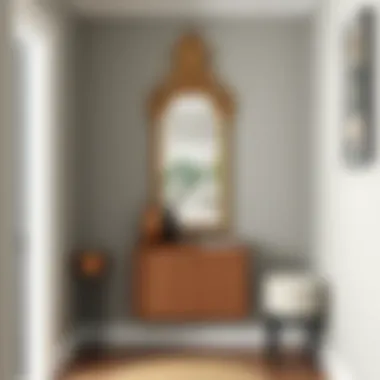
As we navigate the increasingly sophisticated world of interior design, hall wall mirrors have become more than a mere reflection tool; they now embody technological advancements and artistic expressions. These mirrors are crucial in modern spaces, serving practical purposes while simultaneously enhancing aesthetics. Embracing innovative trends not only elevates the design of hallways but also enhances functionality. Homeowners, interior designers, and DIY enthusiasts should consider these current trends to ensure their choices are as cutting-edge as they are beautiful.
Smart Mirrors and Technology Integration
The advent of smart mirrors represents a significant shift in how we interact with our living environments. Unlike traditional mirrors, smart mirrors often come equipped with LED displays that allow users to access various information at a glance. From weather updates to news headlines, these mirrors serve as multi-functional appliances that reflect personal style while also informing daily activities.
Additionally, integration with home automation systems streamlines the user experience. Imagine starting your day by checking your calendar or even preparing your coffee as you get ready in front of your hall mirror. Many smart mirrors also incorporate personalization features, such as different lighting options that can mimic natural light, making them not only visually appealing but also practical.
Here are a few benefits of smart mirrors:
- Enhanced Functionality: Get the latest updates without needing to check a device.
- Customizable Features: Tailor the mirror’s settings to suit your habits.
- Multi-Purpose Design: Serve as both a decor piece and a practical tool.
With smart mirrors, you’re not just reflecting a physical image; you're capturing a whole lifestyle.
Artistic Designs and Customization
Beyond technology, the realm of artistic designs in hall wall mirrors continues to flourish. Homeowners now have the opportunity to express their unique identity through customized shapes, colors, and materials. From abstract designs to ornate frames, the options are versitile, allowing every individual to find a piece that resonates with their personal aesthetic.
Customization allows for a deeper connection with the mirror, turning it from a simple reflective surface into a conversation starter or a statement piece.
Take for example mirrors shaped like natural elements—trees or leaves—that not only serve as functional decor but also evoke a sense of tranquility and warmth in a hallway.
Here's what to keep in mind when considering artistic designs:
- Shape: Round, oval, or geometrically unique designs can alter the flow of a hallway.
- Material: From metal to wood and glass, the choices affect not just looks but also durability and maintenance.
- Color: Match or contrast colors to elevate the entire space’s aesthetic.
Artistic mirrors cater to creativity, allowing for functional art to flourish in homes, ultimately enhancing the ambiance.
*"The mirror is a poetic metaphor; it reflects not just our image but our creativity and inspiration."
By embracing these trends, homeowners and designers alike can upgrade their hallways from mundane to magnificent.
Installation and Maintenance
The role of hall wall mirrors extends beyond mere decoration; it also encompasses the essential aspects of installation and maintenance. Even the most stunning reflective piece can falter in its purpose without proper setup and care. This section delves into key elements, benefits, and considerations surrounding the installation and maintenance of these mirrors in your home, ensuring they not only enhance aesthetics, but also function effectively in your space.
Optimal Placement Techniques
When it comes to hanging a mirror in a hall, the placement is paramount. Not only does it affect how the mirror complements your decor, but it also influences the functionality of the space. Here are several pointers to consider:
- Eye Level Positioning: Aim to hang the mirror at eye level, allowing for easy viewing without the need to strain. This generally means placing the center of the mirror around 57 to 65 inches from the floor.
- Avoid Direct Lighting: Position your mirror away from direct sources of harsh light; reflections can be blinding and diminish the visual impact. Soft, ambient lighting will help to achieve a more inviting atmosphere.
- Complementing Features: Try to place the mirror in a position that complements or reflects beautiful architectural features, artwork, or natural light from windows. This creates a sense of depth and enhances the aesthetic value of the hallway.
- Consider Room Size: In cramped spaces, a large mirror can create an illusion of grandeur. However, in expansive areas, a smaller mirror, when placed strategically, can still serve as a focal point without overwhelming the space.
Incorporating these placement techniques allows homeowners to maximize the beauty and functionality of their mirrors, making the most out of every inch of space.
Cleaning and Care Guidelines
Maintaining the pristine condition of your hall wall mirrors is crucial for keeping them reflective and appealing. Here’s how you can ensure your mirrors remain in tip-top shape:
- Dust Regularly: Use a soft, lint-free cloth to dust the surface of the mirror. This prevents the accumulation of grime that can cloud the reflective surface.
- Gentle Cleaning Solutions: For deeper cleaning, a mixture of water and a few drops of mild detergent is effective. Avoid abrasive cleaners, as these can etch or scratch the mirror. Always apply the solution to the cloth and not directly to the mirror to prevent damage.
- Polishing for Shine: Once cleaned, your mirror can benefit from a gentle polish, which can be achieved with a glass cleaner. Just spray a small amount onto a cloth and buff the surface.
- Check the Frame: Don’t forget to wipe the frame as well, especially if it’s made from natural materials that might attract dust or moisture. Depending on the material, a specific cleaner might be needed.
Maintaining mirrors may feel like a chore, but these simple steps can prolong their life and shine, ensuring they remain a point of interest in your hallway.
Tip: Consider using a mixture of water and vinegar for an eco-friendly cleaning solution. It's effective and safe for most mirror types.
By focusing on optimal placement techniques and adhering to cleaning and care guidelines, the longevity and visual appeal of hall wall mirrors can be greatly enhanced, allowing them to fulfill their intended purpose admirably.
Psychological Effects of Mirrors in Hallways
Hallways often serve as transitional spaces, linking one room to another, but their importance should not be underestimated. The presence of mirrors in these areas not only enhances aesthetics but also significantly influences the psychological aspects of a home. Studies suggest that mirrors contribute to how we perceive our surroundings, impacting our mood and our interactions. Understanding these effects can help homeowners and designers make informed choices about the placement and style of hall wall mirrors.
Influence on Mood and Ambiance
The ambiance in a hallway can dictate the mood as soon as someone steps inside a home. Mirrors, through their reflective surfaces, possess a unique ability to manipulate light and create an illusion of openness. Natural light reflecting off a mirror can brighten a dim hallway, fostering a sense of warmth and inviting comfort. As light bounces around, it can diminish the cramped feeling often associated with narrow corridors.
Moreover, the psychological effect of seeing one’s reflection in a hallway mirror can also influence self-perception. For some, a well-placed mirror can become a confidence booster, as it provides a chance to check one’s appearance before heading out. Conversely, misplaced or excesively adorned mirrors might invoke feelings of self-consciousness or distraction. Choosing the right mirror, therefore, is essential to shaping how individuals feel as they navigate their living space.
"The right mirror can brighten your day, quite literally, while also transforming the feel of your hallway."
Social Interaction and Perception

Mirrors in hallways are not merely decorative; they can also influence social interactions among residents and guests. When placed strategically, mirrors can create a welcoming environment that encourages interaction. They can act as conversation starters, drawing attention and prompting comments about style or design.
On the flip side, the way mirrors are arranged can also affect how people perceive and engage with one another in these shared spaces. For instance, a giant, ornate mirror might become a focal point, offering a sense of grandeur but also potentially leading to an overemphasis on appearances. Meanwhile, multiple smaller mirrors might foster a communal atmosphere, where reflections lead to a shared visual experience rather than individual focus.
Thus, while selecting mirrors, one must consider not only their visual appeal but also their impact on social dynamics within the space. The choice of mirror can indeed shape the hallway's psychological atmosphere, making it feel either more intimate or more expansive depending on how one constructs the reflections of both oneself and others.
Sustainable Options and Eco-Friendly Materials
When discussing hall wall mirrors, one aspect that cannot be overlooked is the importance of sustainable options and eco-friendly materials. In a world where environmental considerations are becoming increasingly paramount, it's essential for homeowners, interior designers, and DIY enthusiasts alike to focus on how their choices resonate not just within the confines of their homes, but also with the planet. Sustainable materials not only contribute to reducing our carbon footprint but also reflect a growing awareness of responsible consumption and design. Making informed choices about mirrors can greatly impact both aesthetics and the state of the environment.
Recycled and Upcycled Materials
Using recycled and upcycled materials in the crafting of wall mirrors serves multiple purposes. First, it not only helps to divert waste from landfills but also promotes the idea of reusing what already exists. For example, consider a mirror framed with reclaimed wood from old furniture or structures. This practice not only provides a unique look that adds character and history to the piece but also significantly reduces the need for new raw materials, thus minimizing logging and manufacturing emissions.
Another interesting approach is artists and craftsmen who take discarded materials, such as glass or metal scraps, and transform them into stunning mirrors. Not only does this result in an eye-catching centerpiece, but it also tells a story of eco-consciousness and creativity. These pieces can often serve as conversation starters, reflecting the innovative spirit of their creators while also aligning with home decor trends that value authenticity and sustainability.
"When you choose to buy recycled or upcycled, you’re not just making a purchase; you’re supporting a philosophy of responsible living."
The Importance of Sustainable Sourcing
Sustainable sourcing refers to the practice of thoughtfully selecting materials and production processes that minimize environmental impact. For hall wall mirrors, this could mean opting for glass produced using eco-friendly methods or frames crafted from responsibly harvested wood. The sourcing process often ensures that resources are obtained in a way that supports both environmental health and the communities involved.
When choosing mirrors, it’s essential to consider the longevity of the materials. Mirrors that are produced with a focus on durability and timelessness will undoubtedly outlast cheaper alternatives, thus reducing replacement frequency. This approach contributes to a more sustainable home by diminishing waste over time.
Furthermore, filling your space with sustainably sourced mirrors indirectly supports businesses and artisans who prioritize ethical production practices. This can foster a sense of community and help bring attention to the importance of sustainability in design. By accentuating the visual appeal in your home with these thoughtfully curated pieces, you're making a choice that resonates beyond mere decoration—it becomes a commitment to a healthier planet.
As trends continue to evolve, the inclination towards eco-friendly materials will likely shape how we view beauty and functionality in interior design. Embracing sustainable options in hall wall mirrors is not just about aesthetics; it's a broader statement about our values and dedication to making a positive impact.
Cultural Significance of Mirrors
Mirrors are not just ornamental pieces that grace our walls; they are vessels of culture and history, deeply entwined in the fabric of human experience. Their significance transcends the mere act of reflection, embodying beliefs, traditions, and societal values. In this section, we explore how hall wall mirrors resonate across various cultures, acting as symbols and storytellers in their own right.
Mirrors Across Different Cultures
The role of mirrors varies significantly across cultures. In some societies, mirrors are viewed as objects of beauty, while in others, they hold deeper, spiritual meanings. For instance, in ancient Egypt, mirrors were made from polished metal and considered sacred. They were associated with the goddess Hathor and believed to possess mystical properties, even being used in rituals to ward off evil spirits. On the flip side, in many Asian cultures, particularly in China, mirrors have been employed as tools for auspiciousness. They are strategically placed to redirect negative energy and ensure good fortune in the household.
- In Africa, certain tribes see mirrors as portals to other worlds. They are believed to reflect not just physical appearances but also spiritual truths.
- In Western cultures, mirrors often symbolize vanity or self-obsession; however, they also represent self-awareness and reflection, both literally and metaphorically.
Symbolism of Reflection
Mirrors inherently possess a dual nature: they provide a glimpse of exterior appearances even as they encourage introspection. This multifaceted symbolism has deep roots in various philosophies and religions. In many traditions, reflection symbolizes deeper understanding, self-discovery, and truth.
"The mirror's reflection is a reminder that we often see not just our faces but also the layers beneath."
In literature and art, mirrors frequently serve as metaphors for the psyche. They challenge characters, forcing them to confront their true selves, a theme prevalent in works like Snow White or Through the Looking-Glass by Lewis Carroll.
Moreover, the act of gazing into a mirror can evoke a sense of existential contemplation. In some psychological studies, it has been shown that looking into mirrors can promote self-acceptance but may also ignite insecurities.
The cultural significance of mirrors, therefore, cannot be underestimated; they are not mere reflections but rather profound reflections of society, encapsulating the values, fears, and aspirations of different cultures. By integrating hall wall mirrors into our homes, we invite a piece of this rich tapestry into our lives, fundamentally enhancing not only our space but also the deeper aesthetic narratives within our environments.
End: The Timeless Role of Hall Wall Mirrors
Hall wall mirrors serve as more than mere decorative pieces in contemporary design; their importance lies in their multifunctionality and aesthetic versatility. These reflective surfaces can transform mundane spaces into sites of elegance, making them indispensable tools for homeowners and interior designers alike. It’s not just about having a place to check one’s appearance; hall mirrors enhance the spatial dynamics of a home.
The benefits of incorporating hall wall mirrors into your interiors are manifold. First, they create an illusion of a larger, more open environment. Those narrow hallways can suddenly feel airy and spacious when met with a strategically placed mirror. Additionally, mirrors offer light amplification. They bounce and scatter light, brightening up corners that might be otherwise shrouded in shadows. This is particularly valuable in homes that suffer from limited natural light.
Furthermore, hall mirrors can act as style statements. From sleek and modern finishes to ornate vintage designs, there’s a mirror that can reflect the personality of any home. They facilitate design cohesion when chosen to complement existing decor styles. This thoughtful selection reinforces the character of each space, showcasing the homeowner's design sensibility. In doing so, these mirrors become integral components of interior decor, rather than just functional objects.
When considering hall wall mirrors, it is essential to evaluate not only their location and size but also their role in enhancing the aesthetics and functionality of the space. The interplay of light, reflection and placement plays a critical role in maximizing their utility and beauty. Hall mirrors have certainly earned their place in modern homes, merging artistry with practicality in ways that uplift our everyday experiences.
"Mirrors do not lie, but they can create the illusion we wish to see."
Summary of Key Insights
Throughout this exploration of hall wall mirrors, several critical insights have surfaced:
- Functional Necessity: They provide functional benefits while enriching the home’s decor.
- Spatial Enhancement: Mirrors serve to visually expand spaces, making confined hallways feel more open.
- Light Maximization: Reflective surfaces increase light distribution, brightening darker areas.
- Aesthetic Versatility: A diverse array of styles ensures compatibility with various design themes and personal tastes.
- Symbolic Value: Mirrors represent self-reflection and can carry significant cultural symbolism.
These elements are fundamental in understanding how incorporating mirrors into hallway designs influences both style and functionality.
Future Trends to Watch
Looking ahead, there are several noteworthy trends shaping the future of hall wall mirrors:
- Technology Integration: Smart mirrors, equipped with features like touch screens and lighting controls, are predicted to revolutionize how we interact with mirrors in personal spaces.
- Sustainability Focus: An increasing push towards eco-friendly materials and practices is evident. Consumers are leaning toward mirrors made from recycled glass and sustainably sourced frames.
- Customizable Solutions: More brands are offering customizable options, allowing homeowners to create designs that fit their specific aesthetic desires.
- Artistic Collaborations: Brands are teaming up with artists to create one-of-a-kind pieces that blur the lines between functional design and artistic expression. These unique artworks can create focal points in halls and redefine the mirror as simply reflective.