Wood Shelves: A Smart Choice for Your Space
Intro
Wood shelves hold a special place in interior design, seamlessly blending utility with artistry. They serve as more than just storage solutions; they act as a canvas for creativity and a statement of personal style. Whether you’re a homeowner trying to tidy up or an interior designer looking to impress a client, understanding the nuances of wood shelving is essential. This guide sheds light on the various facets of wood shelves—from selecting the right material to exploring trending designs.
The interplay between form and function in wood shelves can elevate any space, making them an important consideration for anyone looking to improve their home’s aesthetic. By understanding the characteristics and variations of wood shelves, readers will be better equipped to make informed choices that enhance their environments.
Furniture Selection
Choosing the Right Material
When it comes to wood shelves, not all materials are created equal. Different types of wood can bring various strengths and weaknesses to your shelving game. For example, oak is a sturdy option that's known for its durability, making it a great choice for heavy items. In contrast, pine is lighter and more budget-friendly but may not hold up as well under weight.
Here’s a quick run-through of popular wood types and their unique qualities:
- Maple: Strong and versatile, ideal for sleek modern designs.
- Walnut: Rich with deep hues, perfect for high-end aesthetics.
- Teak: Excellent for outdoor settings due to its weather resistance.
- Bamboo: A sustainable choice that’s both eco-friendly and stylish.
Choosing the right material also involves considering how it aligns with the overall design of your space. For instance, a rustic wood like barnwood can provide that charming farmhouse feel, while a polished mahogany can serve a more contemporary look.
Understanding Size and Space Requirements
Not all spaces are created equal, either. Before you make a run for the lumber yard, it's crucial to measure your space. This is not just about the width and height, but also about how deep the shelves need to be. If you’re putting together a display in the living room, you may want shelves that stick out less, allowing for more walking space. Here, it's key that you consider the following factors:
- Height: How high can you go? Make sure the shelves are not out of easy reach.
- Depth: Depending on what you'll place on your shelves—books, knick-knacks, or plants—this varies.
- Weight Capacity: It’s wise to check load-bearing limits, especially if you’re planning to pile on heavy books or decorative objects.
Getting these specifics right means you won’t just be bolting shelves to the wall haphazardly; you’ll create a seamless installation that feels like part of the room rather than an afterthought.
Design Inspiration
Trending Styles and Themes
In recent years, wood shelves have transcended mere functionality and entered the realm of art. Open shelves have gained popularity, allowing for the display of everything from vibrant books to eclectic décor. These shelves can often be the defining feature of a room.
Current design trends include:
- Floating Shelves: These provide a sleek, modern look and create a sense of openness in a room.
- Industrial Style: Using raw wood and metal accents caters to those who enjoy a rugged aesthetic.
- Corner Shelves: They’re perfect for maximizing space in small rooms while still providing utility.
Color Schemes and Aesthetic Integration
The color of your wood shelves can speak volumes about your taste. In a minimalist space, lighter woods like ash or birch can keep things airy. Meanwhile, rich, dark paradigms like cherry or ebony can create a warm, cozy vibe. Always consider how your wood choice harmonizes with existing furniture and wall colors.
To integrate your wood shelves smoothly:
- Pair with complementary colors in wall art and furnishings.
- Use decorative brackets to add personality and detail.
- Think about the lighting—both natural and artificial play important roles in setting tone.
By selecting the right approach for your wood shelves, you not only fulfill a practical need but enhance the beauty of your living area to boot.
"Shelving isn’t just a storage solution; it’s an expression of who you are and how you live."
This guide serves as a compass to navigate through the options and styles available, ensuring you come away with wood shelves that are not only functional but resonate with your personal aesthetic.
Foreword to Wood Shelves
Wood shelves have carved a niche in the realm of interior design, blending functionality with aesthetic appeal. At first glance, they might seem like mere storage solutions, but the truth is far more layered. Wood shelves become the backbone of domestic spaces, providing support not just for books and trinkets, but also for the overall look and feel of a home. They resonate with warmth, charm, and a touch of nature, significantly influencing how a room is perceived.
In this article, we will delve into various aspects of wood shelves, emphasizing why they matter in both style and practicality. Homeowners who want to create inviting spaces will benefit from understanding the diverse function that wood shelves serve. From organizing clutter to showcasing cherished items, these shelves are multifunctional marvels.
One crucial element of wood shelves is their ability to fit seamlessly into any design scheme. They can be minimalist or rustic, depending on the chosen wood type, color, and design. The right shelving can transform a dull corner into a stunning focal point or contribute to a cohesive theme throughout the room. The texture of the wood, whether it’s oak or pine, adds depth and character which bland materials like plastic or metal cannot replicate.
Moreover, wood shelves are often suitable for various rooms within a home, from the living room to the kitchen. The flexibility of these shelves permits their utilization in almost any space, ensuring that every nook and cranny can be maximized for both storage and style. Regarding installation, wood shelves can often be put together by DIY enthusiasts, making them a practical choice for many.
"Wood, being an organic material, not only serves functionally but also brings an element of life into home decor."
However, it’s essential to consider the kind of wood being used. Different woods come with varying properties, from hardness to aesthetics, and each can vastly change the overall look of a shelf. For instance, heavy-duty shelves made of hard maple can support more weight than a shelve made of softer pine. Hence, understanding the right type of wood is paramount when integrating shelves into your home design.
As we navigate through this comprehensive guide on wood shelves, expect to discover varied types, the significance of sustainable practices, tips for selection, and maintenance recommendations. By the end, whether you are a seasoned designer, a home improvement novice, or someone looking to spruce up their space, you will have an enriched comprehension of wood shelves as integral design elements in any home.
The Significance of Wood Shelves in Interior Design
In the landscape of interior design, wood shelves hold a dual significance that extends beyond mere functionality. These structures serve as practical storage solutions while simultaneously enhancing the visual appeal of a space. They are often overlooked but deserve attention due to the various ways they can transform an environment. From minimalist designs to intricate wooden craftsmanship, the importance of wood shelves can be evaluated through their functionality, aesthetics, and overall contribution to home ambiance.
Functional Versatility
One of the most compelling reasons to incorporate wood shelves into your interior is their functional versatility. They can adapt to an array of storage needs, making them a fit for any room in a home.
- Living Room: Often used for books, decorative items, or even a collection of plants, shelves can be tailored to fit any design vision.
- Kitchen: Shelves can be utilized for spice storage, showcasing colorful dishes, or providing easy access to cookware.
- Bedroom: Besides holding books, a shelf can serve as a display for personal photos or other keepsakes.
Additionally, wood shelves can provide vertical space efficiency, allowing homeowners to optimize their limited square footage. This could be particularly comforting in urban dwellings where space comes at a premium. Customization is also a major highlight—shelves can be built to any height or width, fulfilling specific needs, from child-proofing to aesthetic considerations. The flexibility they offer is an undeniable strength, ensuring that their use is not limited to one style or function.
Aesthetic Appeal
Beyond utility, wood shelves possess a distinct aesthetic quality that can elevate the look and feel of a space. The material chosen, be it oak, walnut, or pine, introduces warmth and texture, making interiors feel more inviting.

- Natural Beauty: The grain patterns in wood often become focal points themselves, drawing the eye and adding character to a room.
- Color Palette: Depending on the finish, wood shelves can complement or contrast existing decor elements, creating a harmonious or dynamic visual effect.
- Style Range: From rustic farmhouse to modern sleek designs, wood shelves can seamlessly integrate into various decor themes, ensuring cohesion throughout a house.
"The right shelves not only provide storage but can be statement pieces that tell your unique story."
Moreover, incorporating shelves allows for personal expression through decor—arranging cherished items or seasonal decor can refresh a room’s appearance without requiring significant changes. Homeowners and designers alike can take advantage of the fluid nature of wood shelves to keep their spaces evolving.
In summary, wood shelves are not merely structural elements; they bridge functionality and aesthetics, enhancing home interiors while meeting practical storage needs. As such, their significance in interior design cannot be understated, making them an essential component in any well-designed home.
Types of Wood Shelves
Understanding the various types of wood shelves is crucial for homeowners, interior designers, and DIY aficionados. Each type of shelf comes with its own set of benefits and specific uses, allowing for optimal utility and aesthetic appeal in any room. When selecting wood shelves, it's more than just form; it's about function as well. The right type will align with how you want to utilize your space and your personal design tastes.
Floating Shelves
Floating shelves are a popular choice for many modern homes. They provide a clean, uncluttered look by supporting shelves without visible brackets. This innovation not only maximizes available space but also allows for the display of decorative items or books without crowding the area.
The ability to customize the height at which floating shelves are mounted can drastically transform a room's aesthetic. They work wonderfully in tiny apartments or homes where floor space is a luxury. Consider placing them in a living room, above a desk, or even in a kitchen to display spices or artwork.
Nevertheless, one must factor in their load-bearing capabilities. While they’re fantastic for lightweight objects, heavier items can lead to sagging or worse, cause them to detach from the wall. For this reason, it’s vital to choose the correct hardware and install them securely.
Brackets and Supported Shelves
When durability and load capacity are the main concerns, brackets and supported shelves shine. Typically secured with visible brackets, these shelves evoke a sturdiness many find appealing. They’re perfect for enhancing functionality in spaces like garages, workshops, or even home libraries.
Not only do brackets add visual interest, but they also provide significant support for heavier items like books, kitchenware, or even home décor. Various styles of brackets can further enhance the aesthetic appeal, from rustic wrought iron to sleek modern designs. They can also be adjusted or customized to fit unique spaces or preferences.
Keep in mind that the positioning is key. Misaligned brackets or incorrect hardware may lead to a precarious setup. Always take time to ensure they are snug and well-fitted to avoid mishaps.
Built-in Shelves
Built-in shelves are like the cherry on top when it comes to creating a seamless look throughout your interior space. These shelves are integrated into the architecture of a room, often found in recesses or alcoves. Their benefits are manifold: they save space, add value to your home, and can be styled to match your decor exactly.
From a design perspective, built-in shelves allow for a tailored storage solution, shifting from simply functional to genuinely artful. They serve as a platform to display memorabilia or books, while also cleverly hiding unsightly items.
On the flip side, the installation process for built-in shelves can be time-consuming and typically requires professional help, especially if custom designs are involved. However, once in place, they create a harmonious flow in your living environment, adding both character and charm.
Always evaluate your space needs and style before choosing a shelf type, as each serves different functional and aesthetic purposes.
Choosing the Right Wood Type
Choosing the wood type for your shelves can make or break your interior design project. Wood isn't just a functional choice; it brings character and warmth to any room. Choosing the right type involves understanding the physical properties of wood, how different species behave under various conditions, and the intended use of the shelves. Factors such as durability, weight capacity, and visual aesthetics all play a significant role. Moreover, the right wood can tell a story, reflecting your personal style and commitment to quality. Here's a closer look at the various options available.
Hardwoods vs. Softwoods
When it comes to wood types, hardwoods and softwoods are the two primary categories, each with its unique attributes.
- Hardwoods, sourced from deciduous trees, are typically denser and more durable. Species like oak, cherry, and walnut are known for their rich colors and intricate grain patterns. They are perfect for shelves that require strength, such as those intended for heavy items or in high-traffic areas.
- Softwoods, on the other hand, come from coniferous trees. Pines, firs, and cedars fall into this category. While they are generally lighter and easier to work with, they may not offer the same level of durability as hardwoods. However, they often come with a lower price tag, making them a viable option for budget-conscious shoppers.
In terms of maintenance, hardwoods can withstand wear and tear better over time, making them a wise investment for long-term use. Softwoods can also be treated or varnished to enhance their durability, especially in humid climates. When considering which wood to choose, reflect on how you will use the shelves and where they will be placed.
Sustainable Wood Options
In today’s era, sustainability is more than just a buzzword; it's an essential element of responsible consumer choices. When selecting wood for your shelves, consider opting for sustainable wood options.
Using wood harvested from responsible sources helps protect forests and promote ecosystem health. Look for certifications such as the Forest Stewardship Council (FSC), which ensures that the wood is sourced safely, minimizing environmental impact.
You might also want to explore alternative woods like bamboo and reclaimed wood.
- Bamboo is a fast-growing grass that can be harvested much quicker than traditional hardwoods. Its unique look and strength make it an excellent option for modern shelving designs.
- Reclaimed wood offers a beautiful, rustic charm. This wood isn't just eco-friendly; it has history built into its grain, making each piece unique.
By considering sustainable options, you're not just choosing wood; you're choosing to contribute positively to the environment.
"Sustainable choices today will lead to a healthier planet tomorrow. Making conscientious decisions about wood types may seem small, but they add up to significant change over time."
When deciding on the type of wood for your shelves, think about not just aesthetics, but also usability and environmental responsibility. Remember, your choices can influence more than just your home—they can impact the planet as well.
For more information on sustainable wood and its benefits, you might consider visiting resources like FSC.org and articles available through Wikipedia.
In summary, whether you lean towards the robust nature of hardwoods or the versatility of sustainable options, making an informed choice will ensure that your wood shelves not only look great but also serve their purpose effectively.
Where to Find Wood Shelves Near You
Finding the perfect wood shelves to complement your space is essential for enhancing both functionality and visual appeal. As much as design and choice matter, the right location for sourcing these shelves can impact both quality and budget. It’s not just about picking the first item you see; it’s about making a well-informed decision based on where you shop.
You’ll find that some options offer better selections, while others might cater specifically to your design choices or sustainability priorities. In this section, we will explore various avenues such as local furniture stores, home improvement retailers, and online marketplaces, each providing unique perks and pitfalls to consider in your pursuit of the perfect wood shelves.
Local Furniture Stores
Local furniture stores can be a treasure trove of unique wood shelves that add character to your home. These shops often offer hand-crafted options and may stock designs that you won’t find in large chain retailers. Since they cater to local clientele, you might get a chance to discover shelves that reflect the style preferences of your community, as well as the craftsmanship of nearby artisans.
"When you shop local, your purchase not only enhances your space but also supports your community."

However, keep in mind that local retailers might have limited stock or seasonal options. Budget is also a crucial factor, as prices can vary significantly from shop to shop. Visit a few places to understand your fits visually and financially. Don’t hesitate to ask questions about the wood types, finishing processes, and whether the products are sourced sustainably.
Home Improvement Retailers
Home improvement retailers like Lowe’s or Home Depot are staples for anyone diving into home decor. They might not offer the flair of independent shops, but they surely provide dependable quality and a wide array of wood shelves that can meet various needs. These stores typically cater to DIY enthusiasts, offering shelves that are easy to install and customize.
In addition, they often have options for different wood types and finishes. You could even find shelves that come pre-assembled, saving you time. If you’re inclined toward a specific design, consider visiting these retailers during sale seasons to snag a good deal.
A word of caution: mega-stores might carry generic designs, and it can sometimes be tough to find that standout piece without a little digging.
Online Marketplaces
Beyond brick-and-mortar shops, online marketplaces provide a vast expanse of choices — think Amazon, Wayfair, or Etsy. Search for unique styles and people’s favorite finds; you can even filter down to specific wood types or designs that align with your ambiance. This gives you a chance to compare prices across multiple brands effortlessly.
However, purchasing online has its downsides. Images can sometimes be misleading regarding color and texture. Hence, when you come across potential purchases, verify user reviews and check return policies to navigate any hiccups post-delivery.
It's essential to balance convenience with thorough research while shopping online.
Ultimately, the best place to find wood shelves relies not only on your preferences in aesthetic and functionality but also on ensuring that sustainability is kept in mind wherever possible. Consider options that support woodworking practices that give back to nature, ensuring your home remains a sanctuary while safeguarding the planet.
Measuring for Your Space
When it comes to incorporating wood shelves into your home, measuring for your space isn't just a step—it's the foundation of a well-designed environment. Proper measurements ensure that the shelves you choose can fit seamlessly into your home’s layout without causing clutter or hindering functionality. Misjudging the space can lead to an array of issues, from awkwardly placed shelves to wasted materials and a dent in your wallet.
In this section, we will explore the critical elements of measuring for your wood shelves, highlighting the benefits that come with accurate dimensions and the specific considerations you should keep in mind. Whether you’re a homeowner looking to enhance your living space or a DIY enthusiast eager to tackle a new project, the importance of precise measurements cannot be overstated.
Height and Width Considerations
Height and width are pivotal parameters when designing your shelving. Getting these aspects right can transform not only the efficiency of your shelving system but also the overall appeal of the room. For instance, if you’re planning to install shelves in the living room for decor and books, consider the eye level of most viewers. Shelves placed too high can create a sense of disjointedness, whereas those that are too low may disrupt the flow of the room.
When measuring height:
- Determine the distance from the floor to the ceiling. This gives you a full understanding of how many shelves can be fitted into the space.
- Factor in any furniture that might obstruct the view or accessibility, like sofas or cabinets.
For width, think about:
- The length of the wall where the shelves will reside.
- Ensure that the width accommodates not just the shelves but also any items you plan to display or store. A shelf that’s too narrow will limit your options.
"Accuracy is the key; it’s better to measure twice and cut once," echoes a time-honored adage that’s particularly true in the realm of home improvement.
Weight Capacity and Stability
Once you have taken height and width into account, it’s time to consider weight capacity and stability. Not all wood shelves are created equal. Each type of wood, along with the installation method, will bear different weight distributions.
Ask yourself:
- What items will be placed on these shelves? If you’re storing books or heavy décor, you’ll need a sturdy build.
- Consider the average weight per shelf. To maximize stability:
- Ensure that the mounting hardware and wall structure can sustain the load. You might invest in sturdy anchors if you're working with drywall.
- Use thicker wood or reinforced brackets.
- Distribute the weight evenly across shelves to prevent sagging.
In summary, thoughtful consideration of space measurements and weight is essential for a functional, visually appealing shelving unit. By taking the time to measure accurately and understand the limits of your materials, you will enjoy shelves that not only look great but serve their purpose efficiently.
Installation and Maintenance of Wood Shelves
When it comes to wood shelves, understanding the installation and maintenance is crucial in preserving their functionality and aesthetic appeal. Even the most beautifully crafted shelf can quickly lose its charm and utility without proper installation. Moreover, regular maintenance can significantly extend the life of these wooden structures, ensuring they remain both functional and visually pleasing.
The importance of installing and maintaining wood shelves cannot be overstated. For homeowners, interior designers, and DIY enthusiasts alike, knowing how to properly install and care for shelves affects how well they serve their intended purpose. Incorrect installation can lead to sagging, instability, or even serious accidents when overloaded. Likewise, neglecting proper care can result in wear and tear, affecting appearance and structural integrity.
Basic Installation Techniques
When installing wood shelves, there are several elementary techniques that can ensure they are secure and effective. Let’s unpack some essential steps to get it right:
- Select the Right Location: Before starting, find a suitable spot that meets your needs. Measure the area to confirm that your chosen wood shelf fits well.
- Tools Needed: Gather necessary tools such as a stud finder, level, drill, screws, anchors, and a measuring tape. Having everything on hand simplifies the process.
- Locate the Studs: Using a stud finder, identify where the wall studs are located. Attaching shelves to studs ensures better weight distribution and sturdiness.
- Mark the Placement: Use a pencil to mark where exactly the shelf brackets or floating shelf supports will go. Precision here is key to achieving a level shelf.
- Drill Holes for Fasteners: Depending on the type of shelf being installed, drill holes for your screws or anchors. For heavier shelves, using wall anchors provides extra support.
- Install the Brackets or Supports: Securely attach your brackets or supports. Double-check with a level to ensure they are straight, as an unlevel shelf not only looks odd but can lead to items sliding off.
- Place Your Shelf: Finally, position the shelf onto its brackets or supports. Give it a gentle push to ensure everything is stable.
By following these steps, you can ensure that your wood shelves are installed securely and will support intended weights effectively.
Cleaning and Care Guidelines
To keep wood shelves looking their best and optimized for use, regular cleaning and maintenance are essential. Consider these guidelines for proper care:
- Dusting: Using a soft, dry cloth or a microfiber duster to wipe off dust regularly helps in maintaining the wood’s finish. Avoid using abrasive materials that might scratch the surface.
- Cleaning Spills: If moisture or spills occur, it's important to clean them immediately. Use a damp cloth—never soak the wood—and dry it promptly to prevent water damage.
- Polishing: Depending on the finish (varnish, wax, or oil), a light polish can keep the wood nourished. A natural beeswax or mineral oil applied once or twice a year can bring out the luster in the wood.
- Avoid Harsh Chemicals: Use gentle soap and water for cleaning, steering clear of harsh chemicals that could strip the wood’s finish and lead to discoloration or damage.
- Temperature and Humidity: Be mindful of the environment. Wood can swell or shrink with changes in humidity. Try to keep rooms climate-controlled for the best longevity.
"A little maintenance goes a long way in ensuring your wood shelves not only serve their purpose but also enhance the room's decor."
Wood Shelf Designs for Different Rooms
Wood shelves are much more than mere storage solutions; they can transform an entire room's atmosphere. When considering the design and placement of shelves, one must look beyond functionality. Wood shelf designs add character, enhance organizational capabilities, and ultimately create a cohesive interior space. From the cozy corners of a living room to the utilitarian heart of a kitchen, the right shelf style can make all the difference. Here’s how you can optimize wood shelf designs for various areas within your home.
Living Room Shelf Ideas
The living room often serves as the heart of a home. It’s where family gathers, friends socialize, and individuals unwind. To create a welcoming atmosphere, shelves should blend functionality with aesthetic appeal.
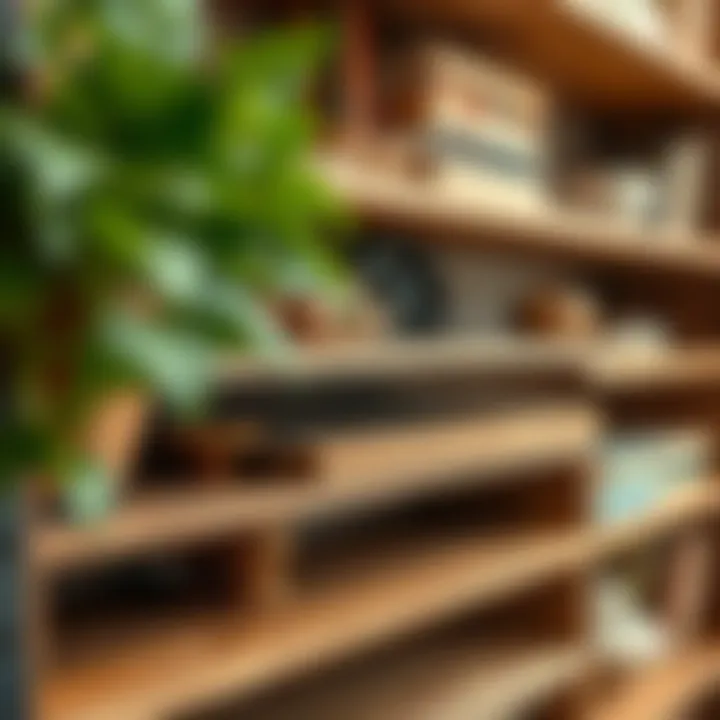
- Open Shelving Units: These lend a sense of airiness while showcasing decorative items. Consider incorporating plants or curated book collections that reflect your personality.
- Built-in Shelves: Built-ins can fit snugly into nooks. This optimizes space and enhances the room's architectural charm. You may use these to store media equipment, showcase art, or keep books within reach.
- Accent Shelves: Floating shelves in different shapes can serve as statement pieces. Utilize unusual placements to draw the eye upward, creating an illusion of height in smaller rooms.
- Multi-functional Shelves: Consider shelving that double as dividers. This can create distinct areas within an open floor plan while holding decor or additional storage.
Each choice should reflect both style and substance. A well-designed living room shelf can elevate the comfort and visual balance of the space.
Bedroom Storage Solutions
In bedrooms, shelves can marry style with storage, enhancing organization while showcasing personal items. Here, the focus shifts to functionality without sacrificing visual appeal.
- Above Bed Shelving: Consider shelves installed above the headboard to display books, lamps, or personal items. This not only creates extra storage but also brings an artistic touch.
- Nightstand Alternatives: Using wood shelves in place of traditional nightstands opens up floor space. Place a small shelf next to the bed for an uncluttered look. Choose one with hooks to hold items like bags or accessories.
- Customized Solutions: If you have a unique space, custom shelves offer a personalized fit. This way, you can create the perfect balance between style and functionality in tight or unusual layouts.
- Space Savers: Opt for cube storage that can be mounted on walls. These can organize shoes, clothes, or books without taking up precious floor space.
The careful placement of shelves in a bedroom can lead to a more serene environment, making it easier to retreat and relax.
Kitchen Utilization Techniques
Kitchens are often referred to as the heart of the home. They require well-planned shelves for both storage and convenience. Wood shelves can enhance organization while maintaining easy access to essentials.
- Open Shelves: These can display dishes or spices. Not only do they keep frequently used items at arm's reach, but they also allow for decorative arrangements that can make cooking feel inspiring.
- Corner Shelves: In many kitchens, corners become neglected spaces. Corner shelves efficiently utilize otherwise empty areas, perfect for plants or cookbooks.
- Adjustable Shelving: If you’re serious about meal prep, adjustable shelves in pantries offer flexibility for changing storage needs. This adaptability allows for optimized space as your cooking habits evolve.
- Industrial Designs: Pair wooden shelves with metal brackets for a contemporary look. This can give your kitchen an edgy aesthetic while remaining practical.
Using well-designed shelves in a kitchen not only aids functionality but enhances the visual narrative of the culinary space, encouraging creativity and a communal atmosphere.
"Shelves aren’t just tools; they’re integral to the personality of our spaces."
In sum, wood shelf designs adapted for each room can harmonize the functional with the decorative. They serve as platforms for expression while ensuring that organization and ease of access remain at the forefront.
For additional assistance on wood shelf ideas, check out resources at habitat.org and homeguides.sfgate.com.
Whether you opt for a sleek design in your living room or clever storage solutions in your kitchen, the possibilities with wood shelves are boundless.
Custom Wood Shelves: The Personalized Touch
When it comes to designing a home that reflects personal style, custom wood shelves provide an extraordinary opportunity for self-expression and creativity. Unlike the mass-produced options found in big-box stores, these bespoke solutions allow homeowners and decorators to tailor shelves specifically to their needs and aesthetic preferences. By working with local craftsmen or diving into DIY projects, individuals can create unique pieces that seamlessly integrate into their living spaces.
Working with Local Craftsmen
Collaborating with skilled craftsmen is a rewarding venture. Not only do you get the satisfaction of having a one-of-a-kind shelf, but you also support local artisans. These craftsmen bring a wealth of experience and an eye for detail that can elevate a simple shelf into a work of art.
When embarking on this journey, consider the following benefits:
- Tailored Designs: Craftsmen will often work closely with you to create shelves that suit your style and functional needs exactly.
- Quality Material: You can specify the type of wood, ensuring it meets your standards for sustainability and durability.
- Unique Features: Think of custom-cut shapes or engraving that tell a story or fit a specific theme in your home.
However, there are considerations to keep in mind. It’s essential to discuss your budget upfront and be clear about your expectations. Knowing when and how to communicate adjustments can create a smoother process.
DIY Wood Shelf Projects
For the more hands-on designers, DIY wood shelf projects present an exciting way to express creativity. Building shelves from scratch or repurposing old materials can lead to functional and fashionable results. Here are a few popular ideas to get you started:
- Reclaimed Wood Shelves: Utilize salvaged wood to create rustic, eco-friendly shelves. These can add character and history to your home while minimizing environmental impact.
- Floating Shelves: Simple yet striking, floating shelves can be made using common materials such as plywood paired with brackets that are discreet. With several finishes available, even a novice might produce stunning results.
- Ladder Shelves: A fun twist, ladder shelves can add vertical storage space while offering a flair that stands out. These can be painted or stained to match surrounding decor.
From selecting wood types to figuring out the best tools for installation, DIY projects can be a learning experience. You can find tons of resources online at sites like Reddit or YouTube that provide step-by-step guides, tips from other DIYers, and a community for support.
"Crafting something by hand not only enhances the aesthetic of your home, but it also instills a sense of pride and personal connection to your space."
Custom wood shelves are more than just storage solutions; they embody your tastes, values, and the journey you've taken to create a home that is distinctly yours.
The Psychological Impact of Shelves in Home Design
When we engage with design at home, it’s easy to overlook the subtleties that make a real difference in our daily lives. The way we arrange our space does more than just serve a functional purpose; it can have a profound psychological effect. Wood shelves, in particular, play a pivotal role in how we perceive our environment and interact within it. Understanding this psychological impact can transform not just the aesthetics of a room, but also our emotional well-being and overall comfort in the space.
Organization and Clutter Reduction
A well-organized space can boost feelings of calm and control. Wood shelves are a practical solution for promoting organization. They provide vertical storage, which utilizes the upward space in a room, drawing the eye upwards and creating an illusion of openness. This design choice often fosters a sense of clarity.
- Decluttering Effects: The act of putting items on shelves can help categorize belongings. For instance, grouping similar objects—like books or decorative pieces—can visually minimize clutter and bring order to chaos.
- Accessible Arrangement: When items are displayed thoughtfully on wood shelves, they are both out in the open and contained. This easy access reduces the frustration of rummaging through drawers or cabinets, leading to a smoother daily routine.
- Peace of Mind: A neat environment is often associated with a clear mind. Knowing where everything is kept can alleviate stress, creating an atmosphere conducive to productivity and relaxation.
Overall, adequately utilized shelves can help homeowners achieve a sense of tranquility in their spaces.
Creating a Sense of Place
Wood shelves also contribute significantly to our sense of identity and belonging within a home. By displaying personal items, they reflect who we are and what we value.
- Personalized Decor: From family photos to travel mementos, shelves become a canvas for personal expression. Displaying cherished belongings helps in establishing a connection to the space, which can make any house feel more like home.
- Cohesiveness and Character: When wood shelves are styled consistently—whether modern or rustic—they contribute to a unified aesthetic. This cohesiveness can evoke feelings of comfort and familiarity, which goes a long way in enhancing a sense of belonging.
"A well-placed shelf can tell a story, capturing experiences, journeys, and values of those who inhabit the space."
- Function with Feeling: Lastly, they facilitate shared experiences, like showcasing books or games. Shelves become gathering points, not just for items but for family and friends, promoting interactive moments that build memories.
In summary, the psychological dimensions of wood shelves extend beyond mere practicality. They serve as a bridge connecting functionality with emotional resonance, helping to cultivate spaces that reflect individuality, encourage organization, and foster a sense of peace. As we design our homes, neglecting the psychological impact of shelves might mean missing a critical element that shapes our living experience.
Closure: The Role of Wood Shelves in Home Environments
Wood shelves play a significant role in transforming home environments. They are not just mere storage solutions but extensions of personal style and functionality. From the moment you step into a room, your eyes are likely to land on the walls, and if adorned with tastefully arranged wooden shelves, they can instantly elevate the ambiance.
Key Benefits of Wood Shelves
- Aesthetic Enhancement: Wood has a natural beauty that can compliment various decor styles, from rustic to modern minimalist. The grains, colors, and finishes available in different wood types can become statement pieces in your home.
- Practical Storage: They offer versatile storage options that can be tailored to fit any space. Whether you need to store books, display collectibles, or organize kitchen essentials, wood shelves provide solutions that help keep your environment tidy.
- Durability and Longevity: Quality wooden shelves can stand the test of time. With proper care, they outlive many other storage options, making them a wise investment in your home’s infrastructure.
- Customization Opportunities: Homeowners can easily customize wood shelves to match their personal style. From choosing different types of wood to selecting unique sizes and finishes, the personalization options are nearly endless.
Considerations for Integration
When considering adding shelves to your home, think about the following elements:
- Space Planning: It's essential to assess the dimensions of both the wall space and the items you wish to display or store. An improperly sized shelf can lead to awkward spaces or underutilized areas.
- Weight Limitations: Wood is sturdy, but not all wood types handle the same weight. It's crucial to select shelves that can safely support the items you plan to place on them, ensuring both practicality and safety.
- Maintenance: While wood shelves are relatively low-maintenance, periodic cleaning and care are necessary to keep them looking sharp. A simple dusting with a soft cloth can prevent dirt accumulation while periodic polishing might enhance their luster.
"Wood shelves can reflect our lives – they hold our memories, our aspirations, and our uniqueness."