
The Ultimate Guide to Clear Beer Glasses and Their Benefits
Intro
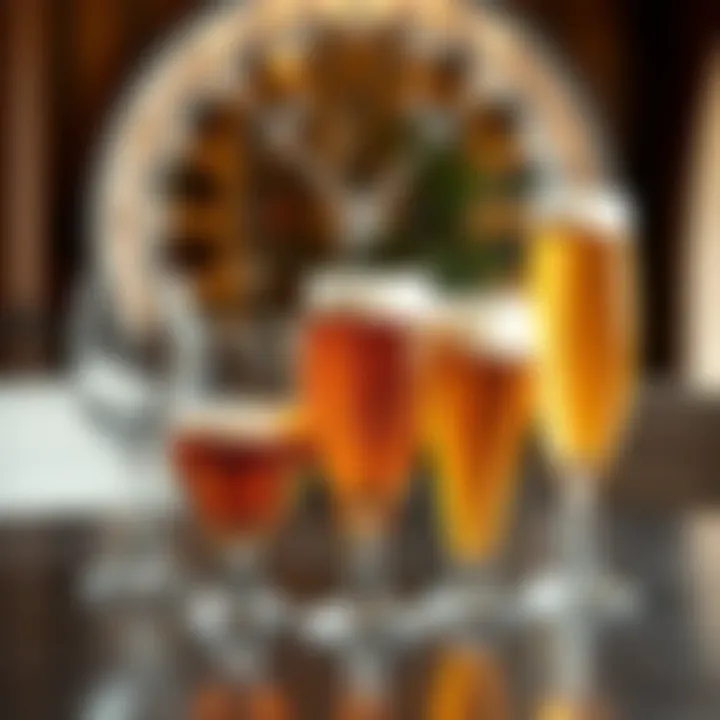
In the world of beer, the glass you choose is more than just a vessel; it's a crucial aspect that can dramatically influence your overall drinking experience. Whether you're savoring a crisp lager on a summer evening or contemplating a rich stout on a cold winter's night, the right clear beer glass not only enhances the visual appeal but also plays an essential role in how aromas and flavors are perceived.
As we dive into the intricacies of clear beer glasses, our aim is to shine a light on their design, functionality, and the subtle nuances of their use. From the materials they’re crafted from to their shape and size, each element matters. Furthermore, how you care for these glasses and how you select them for your home or commercial space can add layers of complexity to your understanding. By the end of this guide, both enthusiasts and casual drinkers alike will have a richer appreciation for these essential tools of the brewing craft.
Furniture Selection
Choosing the right clear beer glasses involves more than just picking a pretty shape. It's essential to consider materials and size.
Choosing the Right Material
When it comes to clear beer glasses, the material can have just as much impact as the design. Glass is the traditional choice, preferred for its clarity and ability to maintain temperature. However, not all glass is created equal.
- Soda-lime glass: This is the most common type and is generally very affordable. It offers good clarity but can be less durable than other types.
- Borosilicate glass: Known for its durability and thermal resistance. It's often used in laboratory settings, making it an excellent choice for those who want a sturdier beer glass.
- Crystal glass: Often features a higher lead content, providing a unique sparkle and sound. Although it can be beautiful, it may not hold up as well in casual settings due to its fragility.
Choosing the right material influences not just aesthetics but also durability. Consider what suits your personal style and the drinking environment.
Understanding Size and Space Requirements
The size of the glass is another key consideration. While there are several standard sizes worked into the brewing culture, not every beer lover needs a pint or a stein.
- For casual gatherings, a smaller tasting glass might be ideal.
- If you're a homebrewer throwing a party, having a larger glass fits well with serving up samples.
Also, think about where these glasses will reside. If space is limited, opting for stackable designs or those that take up minimal surface space might save you some headaches down the line. Keep your cupboard and table dimensions in mind to ensure a functional setup.
"Choosing the right glass can turn a simple beer into a sensory experience."
Design Inspiration
Now that we've tackled the practicalities, let’s explore the more artistic side of clear beer glasses. Design can be tied into your personal brand or the vibe you want to create at home or in a pub.
Trending Styles and Themes
Current trends in beer glass designs often reflect broader aesthetic movements. Industrial styles with clean lines are becoming increasingly popular, often paired with rustic elements. You might find:
- Minimalistic glasses that emphasize simplicity, often with a contemporary twist.
- Vintage designs echoing the charm of classic beer halls, featuring ornate shapes or frosted embellishments.
Color Schemes and Aesthetic Integration
While clear glass allows you to showcase the beer itself, consider how these vessels integrate into your wider decor. Pairing them with darker wood or metal furnishings can ground your setup visually. Think about how they'll look on the table amidst your other serving ware.
Furthermore, it’s worth pondering the atmosphere. For a chill environment, you might want to go for softer, rounded shapes. In contrast, sharper angles might suit a more modern, vibrant space. Ultimately, the design choices should reflect your unique taste while enhancing the experience for yourself and your guests.
With both practical concerns and design elements in play, you’re well on your way to mastering the art of selecting clear beer glasses that not only serve their purpose but also add to the ambiance of any gathering.
Prologue to Clear Beer Glasses
When it comes to enjoying beer, the vessel you choose can significantly shape the drinking experience. The introduction of clear beer glasses is both a nod to aesthetics and functionality. In this section, we discuss why clear beer glasses matter, what advantages they offer, and what to keep in mind when selecting them.
There is an old saying: "You eat with your eyes first." This holds just as true for drinks. Clear beer glasses present a visual treat, allowing one to appreciate the hue, clarity, and head of the beer. This presentation aspect is often overshadowed by the focus on the taste, but let’s not underestimate the role of sight in the overall enjoyment of the beverage.
The allure of clear beer glasses is two-fold. Firstly, they let the drinker immerse themselves in the color spectrum of the beer, from golden lagers to dark stouts, enhancing anticipation before that first sip. Secondly, the transparency helps assess the carbonation and overall quality. It’s an integral aspect for connoisseurs who appreciate fine brews. But it’s not just about show; these glasses are specifically designed to enhance the flavors and aromas.
In a world where craft beer has gained traction, opting for clear glassware is more paramount than ever. Craft breweries often take immense pride in showcasing their unique brews, and clear glasses serve as a canvas to highlight intricate details — a characteristic swirl, the frothy head, or the fine bubbles rising to the surface.
Historical Context
The history of beer glasses dates back centuries, intertwined with the evolution of brewing itself. Initially, beer was consumed from various vessels like clay pots or wooden mugs, which obscured the drinker’s view. However, as glass-making technologies advanced, clear glassware became more prevalent.
Across Europe, especially during the 19th century, the introduction of glass manufacturing offered a new realm of possibilities. For instance, the British and Germans were among the pioneers in producing decorative yet functional beer glasses. This period witnessed the birth of unique styles associated with beer cultures, each with its practical advantages, whether it was to contain a specific type of beer or enhance the drinking experience.
Significance in Beer Culture
Clear beer glasses hold substantial significance in beer culture for several reasons. They have become symbols of appreciation for craftsmanship and quality. In nations known for their rich brewing traditions, such as Germany and Belgium, presenting beer in a well-designed glass is not merely a preference but a part of the cultural heritage.
Moreover, sharing a drink in a clear glass allows for a collective experience, as friends gather around, admiring and discussing the visual elements before engaging in tasting. This shared ritual creates a deeper connection among enthusiasts, fostering community and bonding over what can be considered a timeless beverage. In summary, clear beer glasses are not just about drinking; they embody history and culture, elevating beer from a simple refreshment to an experience to cherish.
Types of Clear Beer Glasses
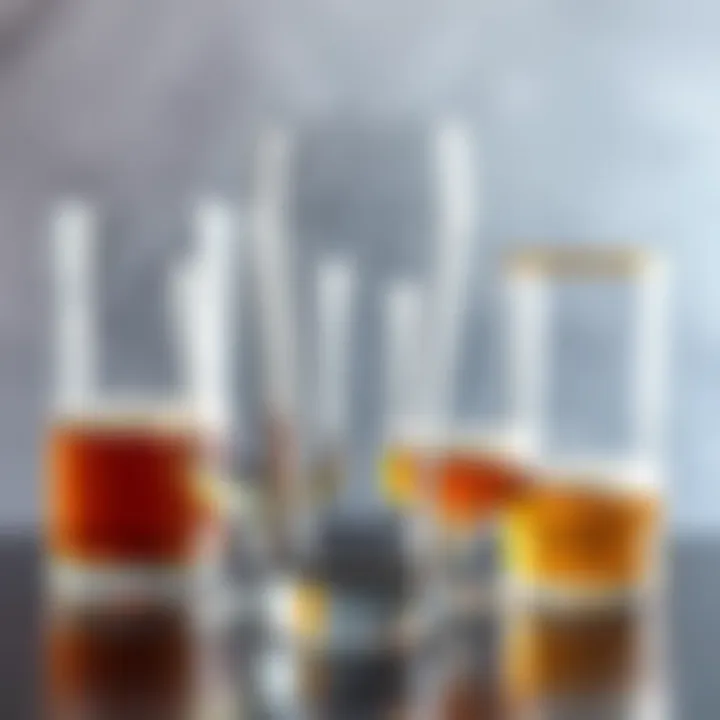
Understanding the various types of clear beer glasses is essential for enhancing one’s beer drinking experience. Each glass type is designed with a specific purpose in mind, catering to diverse styles of beer. From showcasing the vibrant colors and bubbles to capturing the aroma, the right glass can significantly influence how beer is enjoyed. Below, we’ll explore five popular types of clear beer glasses, detailing their unique characteristics and benefits.
Pilsner Glasses
Pilsner glasses, tall and tapered, are often associated with the refreshing lager style. Their narrow shape helps maintain a beer’s carbonation and showcases the drink’s golden hues and frothy head. A typical serving size is around 12 to 16 ounces, making it perfect for a casual sip.
The tall design also helps direct the aromas toward your nose as you drink, enhancing the overall experience. When selecting a pilsner glass, look for options that balance both form and function – the design should not only be eye-catching but also serve its practical purpose well.
Tulip Glasses
Next, we have tulip glasses, which feature a bulbous body that tapers at the rim. This unique shape is excellent for complex beers, like IPAs or Belgian ales, as it captures aromas while allowing the drinker to appreciate the beer's full body. These glasses vary in size, typically holding around 10 to 16 ounces.
Tulip glasses are particularly favored for their ability to enhance the beer’s flavor profile. They encourage the drinker to take smaller sips, savoring each one, making it ideal for sipping a rich, flavorful brew after a long day.
Weizen Glasses
Weizen glasses, designed specifically for wheat beers, are tall and curvaceous, often featuring a flared top. These glasses can hold up to 16 to 20 ounces, accommodating the generous, creamy head that wheat beers typically produce. The unique shape also showcases the hazy appearance of these beers, which can be part of the experience.
When enjoying a hefeweizen or wheat beer, the weizen glass allows for an expanded aroma profile, which enhances the classic banana and clove notes often present in these styles. Choose a weizen glass if you enjoy premium wheat beers and want to maximize your tasting experience.
Snifter Glasses
Snifter glasses, often seen in whiskey tasting, have found their way into the beer scene, especially for high-alcohol, complex brews. Their round base and narrow top provide an excellent environment for swirling the beer, which releases the beer's aromatic compounds. Typically holding around 6 to 10 ounces, these glasses are ideal for sipping slowly.
The design of the snifter helps to concentrate aromas, making it perfect for flavorful stouts and rich ales. If you appreciate experimenting with your beer’s flavor profile, a snifter glass should be a staple in your collection.
Mason Jars
Lastly, the classic mason jar has become a fashionable choice for casual beer drinking. While often associated with backyard barbecues, these jars offer a rustic charm and are perfect for various beer styles. The chunky handle makes for easy sipping and adds a nostalgic feel.
Mason jars generally hold between 12 to 16 ounces, allowing for ample servings. They are versatile, durable, and can easily transition from a casual home gathering to an outdoor event. Their universal appeal makes them a go-to option for many beer drinkers.
In summary, choosing the right clear beer glass can elevate your drinking experience, whether you're savoring a craft beer in a taproom or enjoying one at home. Understanding the unique features of each type can help you select the perfect glass for the occasion.
Material Considerations
When diving into the subject of clear beer glasses, it’s essential to give due consideration to the materials from which they are made. The choice of material can fundamentally influence both the drinking experience and the durability of the glass. Clear beer glasses are not just vessels; they are crafted tools that can enhance the flavors and aromas of the beer, while also appealing aesthetically. In this section, we’ll explore the pros and cons of different materials, helping enthusiasts and casual drinkers alike make informed choices.
Glass vs. Plastic
When it comes to selecting beer glasses, the battle often boils down to glass versus plastic. Glass is typically the gold standard in beer drinking. It is non-porous, meaning it doesn’t absorb flavors or odors, thus preserving the integrity of the beer's taste. Moreover, glass can be elegantly shaped to enhance different styles of beer, allowing for a more tailored drinking experience.
On the flip side, plastic glasses offer their own set of advantages. They are shatterproof and lightweight, making them suitable for outdoor gatherings or events where breakage is a concern. However, the downside is that they often lack the sophistication and aeration that glass provides.
Ultimately, if you’re serious about your beer, glass is usually the more favorable option; if convenience or portability is a priority, then plastic has its place, albeit in a more casual setting.
Types of Glass Used
The material used in glass production varies, and each offers unique characteristics and implications for beer consumption. Here’s an overview of the primary types utilized in crafting clear beer glasses:
Tempered Glass
Tempered glass is a durable option that undergoes heating and rapid cooling to enhance its strength. This process makes it less prone to breaking or chipping compared to standard glass. Its resilience is a big bonus, especially for bars and homes with that one clumsy friend who always seems to knock things over.
Another key characteristic of tempered glass is that it can withstand sudden temperature changes, making it ideal for both hot and cold beverages. However, while it’s a practical choice, it might not have the same shininess or clarity as lead-free crystal, potentially impacting the overall beer presentation.
Lead-Free Crystal
Lead-free crystal is often hailed for its exceptional clarity and brilliance. It offers a higher refractive index than standard glass, causing light to dance within, thereby enhancing the visual appeal of the beer. This can make a solid first impression, especially in social settings.
One of its significant advantages is the luxurious feel when held. It brings a touch of elegance to the beer-drinking experience. However, lead-free crystal is often more fragile than tempered glass and should be handled with more care. Its higher price point can also be a deterrent for some.
Recycled Glass
Recycled glass is an environmentally friendly option that's gaining traction in the beer glass market. Often made from melted down old bottles, it helps reduce waste while still serving its purpose effectively. This material is often marked by unique color variations and textures which can add a rustic charm to your glassware collection.


The primary advantage of recycled glass is its sustainable nature making it a great choice for eco-conscious individuals. However, the trade-off might include a lack of clarity and uniformity compared to virgin materials, which could affect the appearance of your beverage. It’s a choice that aligns with personal values more than aesthetics.
Choosing the right material for your clear beer glasses not only impacts your drinking experience but reflects your personal style and values as well. Whether you lean towards the sturdiness of tempered glass, the elegance of lead-free crystal, or the sustainability of recycled glass, each type brings something distinct to the table.
Impact of Glass Shape on Flavor
Understanding the impact of glass shape on the flavor of beer is crucial for any aficionado or casual drinker looking to enhance their experience. It’s a subtler aspect, often overlooked, yet it can significantly alter the enjoyment of the brews.
In short, the shape of your glass does more than just look pretty; it actually influences how you perceive aroma and taste. Different shapes are designed specifically to cradle certain beer styles, allowing for optimal release of the brew’s flavors and scents. Here are some key elements that play into this detail:
- Aroma Enhancement: The right glass shape can funnel aromas toward your nose, heightening your experience. When you take a sip, what you smell is nearly as important as what you taste. A narrower top can help to concentrate those olfactory delights. Therefore, selecting a glass with a suitable shape for a particular beer can elevate its overall character.
- Carbonation Levels: The shape determines how much surface area your beer has in contact with air, which can affect carbonation release. A glass that’s wide at the top allows CO2 to evaporate more quickly, while a tulip glass holds in the bubbles. This variation affects the sensation on your palate as well.
- Visual Appeal: Although it's more of an aesthetic consideration, how a beer looks inside the glass can enhance your overall enjoyment. Clear glasses showcase the beer’s color and clarity, adding to the anticipation of the first sip. It’s often said that we eat (or drink) with our eyes as much as our mouths.
Overall, the shape of a beer glass isn’t just a trivial design choice but one that can substantially improve the beer-drinking experience.
Nose and Aroma Concentration
When it comes to savoring a beer, nose and aroma concentration plays a pivotal role in how flavors unfold on the palate. Different styles of beer emit unique olfactory cues, and the right glass shape can intensify these aromas, offering a fuller sensory experience. Take a minute to think about the gentle swirl of a freshly poured Stout in a snifter, for instance. The rounded bottom effectively traps scents, allowing them to mingle and intensify as you bring the glass closer to your nose.
Here are some noteworthy points:
- Conical Shapes: Glasses like the tulip are designed to direct aromas upward, presenting them directly to the drinker’s nostrils. This focused shape allows flavors to open up and be appreciated more thoroughly along the tasting journey.
- Wider Mouths: On the other hand, glasses with wider openings pull out the more robust notes of a beer, especially in the case of IPAs or ales. A well-shaped pint glass increases the chances of catching those hoppy aromas that can otherwise drift away into the ether.
As you can gather, the glass you choose does more than just hold your beverage; it guides the sensory journey from aroma to taste, enhancing overall enjoyment significantly.
Mouthfeel and Drinking Experience
Mouthfeel—a term that often gets thrown around—is just as important as aroma and flavor when it comes to beer. The way a beer interacts with your palate can be greatly influenced by the glass from which you drink. A glass that favors a certain mouthfeel can make a world of difference in how satisfying each sip feels.
- Thickness Matters: The rim's thickness can change how the beer flows onto your tongue, creating a different sensation. The delicate rim of a flute, for example, tends to give a lighter feel, perfect for more effervescent beers, while the sturdiness of a mason jar can give off a cozier, rustic vibe.
- Filling Height: The height at which you fill the glass also plays a role. You’ll notice that different glasses encourage different pouring techniques. A proper pour that allows for a rich head can enhance the drinking experience, allowing carbon dioxide to deliver bursts of flavor and feel on the tongue.
In sum, your choice of glass not only determines how your beer looks but also influences texture and taste. Whether you prefer a lightweight lager in a tall, slim pilsner or a rich stout in a heavy, wide glass, the shape of your glass can usher the taste and texture into a delightful harmony.
Practical Usage of Clear Beer Glasses
The realm of beer is not simply confined to taste; it's an experience that flourishes with the right instruments. Clear beer glasses aren’t just about aesthetics; their practical usage significantly enhances the overall enjoyment of the brew. Crafting an immersive experience involves choosing the right glass and honing serving techniques to maximize flavor and aroma. Here, we delve into those two critical aspects, intricately linked to the culture surrounding beer.
Selecting the Right Glass for Your Beer
Choosing the right glass for your beer may seem trivial, but it can make all the difference in the drinking experience. Each style of beer has its unique traits and thus requires an appropriate vessel to allow those attributes to shine. This does not only pertain to design but also to function. For instance, a pilsner glass is tall, which allows for a generous head of foam, heightening the aromatic experience as the beer's effervescence rises up. The weizen glass comes with a distinctive curve that helps trap scents, enhancing the delightful nuances of wheat beers.
When selecting a glass, consider these factors:
- Type of Beer: Lagers, ales, and stouts each have their ideal glass. Researching is beneficial, or simply experimenting can yield personal favorites.
- Volume: Consider how much beer you typically enjoy at a single sitting. Glasses come in various sizes, and one might prefer a pint glass for casual nights or something smaller for specialty brews.
- Durability: If you’re hosting often, sturdiness matters. Some glasses are more resilient to breakage than others, like tempered glass options.
"Drinkers are better served by understanding the merits of their glassware than simply pouring their beverage into a plain cup."
The right choice not only preserves the beer's character but enhances the sensory elements, creating a holistic enjoyment that transcends merely quenching thirst.
Serving Techniques
Once you've got the right glass, the next step is mastering the art of serving. Presentation is paramount, especially in social occasions or gatherings, and proper serving techniques can elevate the experience.
- Pour Properly: Always tilt the glass at a 45-degree angle while pouring to minimize excessive foam, flipping it upright once half-full to create a head. The appropriate foam layer captures aromas and prevents the beer from going flat too quickly.
- Temperature Matters: Serve beers at their suitable temperatures. For example, lagers are typically best served cold, around 38°F (3°C), while stronger ales might shine at a slightly warmer 45°F (7°C).
- Know Your Pairings: Certain beers pair well with food. A stout might complement chocolate desserts, while an IPA could enhance spicy dishes. This not only amplifies the flavors but creates a delightful culinary experience.
Ultimately, having the right glass and serving method can transform how beer is experienced. These practices underscore an appreciation for brewing as an art form, creating memorable moments with each sip, enhancing the social experience, and allowing flavors to dance on one’s palate.
Care and Maintenance
Taking proper care of your clear beer glasses is not just a matter of aesthetics; it’s an essential part of ensuring those glasses remain as functional and beautiful as the day you bought them. Over time, exposure to beer and various cleaning methods can take a toll on glassware, leading to scratches, cloudiness, and even wear that affects the drinking experience. Therefore, understanding how to care for them is vital for homeowners, interior designers, and DIY enthusiasts alike.
Cleaning Techniques
When it comes to cleaning clear beer glasses, a few straightforward yet effective techniques can help maintain their clarity and durability. Here are some valuable pointers:
- Hand Wash with Care: While dishwashers are convenient, they may cause more harm than good. Hand washing with mild dish soap and lukewarm water is usually the best course. Gently scrub the glass with a soft sponge, avoiding abrasive chemicals that might scratch the surface.
- Avoid Temperature Shock: Rapid changes in temperature can cause glass to break. Always let your glasses reach room temperature before rinsing them with hot water.
- Rinse Thoroughly: After scrubbing, rinse the glasses under cool water to remove any soap residues. If not rinsed properly, soap can leave a film that dulls the glass.
- Drying: Instead of using a dish towel that could deposit lint, consider air drying your glasses. If you have to use a towel, opt for a lint-free microfiber cloth.
- Polishing: If you're looking to give your glass that extra gleam, use a clean, soft cloth to buff it lightly after drying.
"Regular care not only preserves the beauty of your beer glasses but also enriches the flavor experience with every sip."


Storage Recommendations
Proper storage is just as crucial as cleaning. Here's how to store your clear beer glasses to keep them in optimal condition:
- Store Upright: It may be tempting to stack glasses, but this can lead to scratches. Instead, store them upright to avoid any risk of damage.
- Avoid Stacking: If your space allows it, avoid stacking glasses entirely. If stacking is necessary, lay a thin cloth between the glasses to minimize scratches.
- Designate a Safe Spot: Find a dedicated area in your cabinet specifically for glassware. Avoid overcrowding as this increases the chances of accidental knocks or spills, which can lead to chips or cracks.
- Keep Away from Heat Sources: Store your glasses away from hot appliances or areas where heat fluctuates significantly. Heat can escalate the likelihood of cracking or breaking.
- Consider Risk Factors: In homes with children or pets, consider storing glasses in higher cabinets to prevent damage from curious hands and tails.
Taking the time to implement these cleaning techniques and storage recommendations will not only protect your clear beer glasses but also enhance the overall drinking experience. It's an effort that truly pays off!
Current Trends in Beer Glassware
As the world of beer continues to evolve, the glassware that complements it is also undergoing significant transformations. Current trends in beer glassware reflect changing cultural attitudes, environmental considerations, and consumer preferences. Understanding these trends is not just about staying fashionable; it’s about enhancing the beer-drinking experience and appreciating the craft behind each pour.
Sustainability in Production
One of the most salient trends in recent years is sustainability in production. Consumers today are more eco-conscious than ever, often gravitating towards products that minimize environmental impact. Beer glass manufacturers are responding by adopting eco-friendly practices, ultimately influencing the types of glasses you might find on the shelves. This commitment to greener production methods includes using recycled materials and sourcing from sustainable resources.
For instance, many companies are now utilizing recycled glass to create unique, artisanal pieces that are not just functional but also environmentally responsible. These glasses not only reduce waste but also tell a story of renewal.
In addition, some brands are experimenting with biodegradable plastics and alternative materials. This shift not only appeals to a conscientious consumer base but also pushes forward innovations in beverage presentation.
Customization and Personalization
In this age of individualism, customization and personalization is another rising trend that stands out. Beer drinkers are increasingly looking for ways to express their identity through their choices, including glassware. Customized glasses provide an opportunity for breweries and consumers alike to showcase unique designs, logos, or even messages.
Consider, for example, a craft brewery hosting an event and offering personalized glasses that feature the attendee’s name or a special date. Such features enhance emotional attachment and make the drinking experience memorable. With add-ons like engraving or printing, it extends a personal touch that mass-produced glasses simply cannot offer.
Moreover, consumers can choose from a multitude of designs that reflect their preferences, from quirky motifs to sleek modern aesthetics.
The End
Overall, the recent trends seen in beer glassware tap into deeper layers of consumer interests, ranging from sustainability to personalization. This shift isn't merely superficial; it signifies a broader conversation about how we enjoy our beverages and how they fit within a conscientious lifestyle. Therefore, staying attuned to these trends not only enriches one’s personal collection but also enhances the aesthetics and experience of enjoying beer.
The Future of Beer Glass Design
As we look forward, the evolution of beer glass design is not just about aesthetics; it is about enhancing the overall drinking experience. Clear beer glasses are increasingly being recognized as integral to taste and aroma, and comprehending this growing landscape is essential for both enthusiasts and casual drinkers. Designers are not merely focusing on form but also the functionality and sustainability of the materials used.
Innovative Materials and Technologies
The future of beer glasses may be seen in the materials and technologies employed. New developments in glass manufacturing—like the introduction of lightweight yet durable tempered glass—are redefining the standards. Unlike traditional glass, which can be fragile, tempered glass provides strength while keeping the beer's visual allure intact.
Benefits of Innovative Materials:
- Durability: Tempered glasses are less likely to shatter, making them safer for both commercial and home settings.
- Lightweight Options: These advancements allow for larger glasses without adding much heft, promoting ease of use.
- Aesthetic Appeal: New glass types can offer unique optical effects, ensuring that consumers enjoy not just the beer, but an immersive visual experience as well.
Additionally, materials such as lead-free crystal are becoming increasingly popular. This type of glass not only looks exquisite but is also safer for consumers. Moreover, some manufacturers are exploring biodegradable options made from materials like PLA plastic, aligning glassware production with more extensive sustainability goals.
Evolving Consumer Preferences
The preferences of consumers are shifting as they become more knowledgeable about the products they're purchasing. In the context of beer glasses, this shift highlights a few trends worth discussing:
- Personalization: Customers increasingly want glasses that reflect their individuality, be it through unique shapes, colors, or custom engravings. This demand is prompting makers to offer more versatile designs that allow for personal expression.
- Sustainability: There is a keen focus on environmentally-friendly products. Consumers are asking, "What is this made of?" more than ever. They tend to lean towards brands that prioritize recycling and sustainable practices, thus fueling innovation in how beer glasses are made.
- Experience Over Quantity: Folks aren’t just drinking to get tipsy. They want the full experience, from the first sniff to the last sip. This has led to a demand for glasses that enhance the aroma and flavor for various beer types.
"Sustainable glass design doesn't just trash waste; it builds bridges to better drinking experiences."
In summary, as we navigate through the future of beer glass design, it's clear that both innovations in materials and evolving consumer preferences will play pivotal roles. Focusing on these elements will not only result in functional elegance but also contribute to a more enjoyable beer culture. Understanding these changes will benefit anyone involved in the beer-drinking scene, helping them to navigate through the myriad of choices in the world of clear beer glasses.
End
The discussion surrounding clear beer glasses has revealed their importance not just as mere vessels for enjoyment but also as essential elements enhancing the overall beer experience. Understanding the nuances of glass design, materials, and shape offers both casual drinkers and serious enthusiasts a deeper appreciation of their brews.
Recap of Key Points
- Diversity of Glass Types: Various glass types like pilsner, tulip, and weizen significantly influence how flavors and aromas are perceived. Each type serves specific beer styles, optimizing enjoyment.
- Material Matters: The choice between glass and plastic plays a crucial role in both the aesthetic and functional quality of beer drinking. Tempered glass, lead-free crystal, and recycled options present practical choices for environmental consciousness along with aesthetic appeal.
- Functionality of Shape: The shape of a glass steers not only the look but also dramatically impacts the aroma and taste. From narrowing necks that concentrate scents to wider bowls that enhance mouthfeel, glass design matters more than one might think.
- Practical Usage: Tips for selecting the right glass and proper serving techniques can enhance how flavors develop, leading to a richer drinking experience. Proper serving unlocks the fullest potential of the beverage.
- Trends and Future Directions: Keeping an eye on sustainability and customization in glassware trends helps consumers stay informed about ethical choices and personalization options available in the market.
Final Thoughts on Clear Beer Glasses
Those who take the time to choose thoughtfully crafted glassware can engage at a deeper level with the beer they consume. This eye for detail doesn’t only enhance pleasure; it creates a connection to the wider beer culture, fostering conversations and shared experiences.
The next time you pour a cold one, consider how that clear vessel holds the promise of taste, tradition, and connection, transforming a simple drink into a celebration.
"Every glass tells a story, and the best tales are shared over a cold beer in the right glass."
For further readings on beer glass designs and trends, please refer to useful resources like Wikipedia on Beer Glasses or discussions on Reddit's Homebrewing.
Embrace the journey of discovering how the perfect glass can elevate your beer experience and make even the simplest moments more enjoyable.